Oct 24, 2025

7 Important Reasons Why Understanding the Function of VR in the Future Will Change How Children Learn
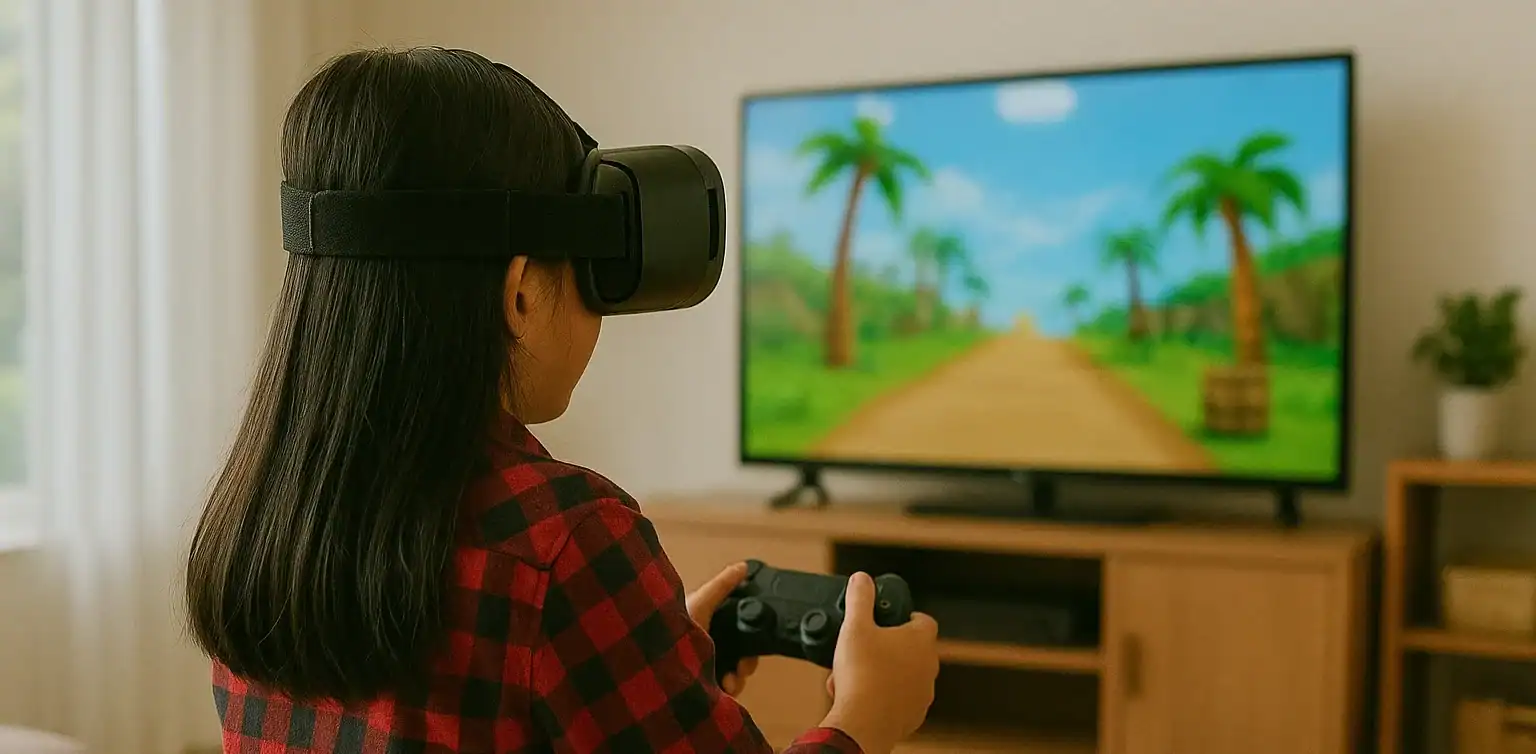
7 Important Reasons Why Understanding the Function of VR in the Future Will Change How Children Learn image

Technology is advancing rapidly, and one of the most fascinating innovations shaping the future is Virtual Reality (VR). In the past, VR might have sounded like a concept from a science fiction movie, but today, this technology has become a real part of education, entertainment, and even professional training. With its ability to create deep and immersive experiences, the function of VR in the future is predicted to become one of the most important elements in the ever-evolving digital world.

Virtual Reality allows users to interact with an artificial environment that feels realistic through headsets and sensors. In the context of education, this technology is not just a form of entertainment but also a bridge to deeper and more interactive learning. Children can explore outer space, study human anatomy, or even conduct scientific experiments virtually without any real-world risks.

But how important is the function of VR in the future, and how can this technology shape the way our children learn and grow? Here are seven strong reasons why every parent needs to understand the great potential of this technology

1. Providing a More Realistic Learning Experience
function of VR in the future

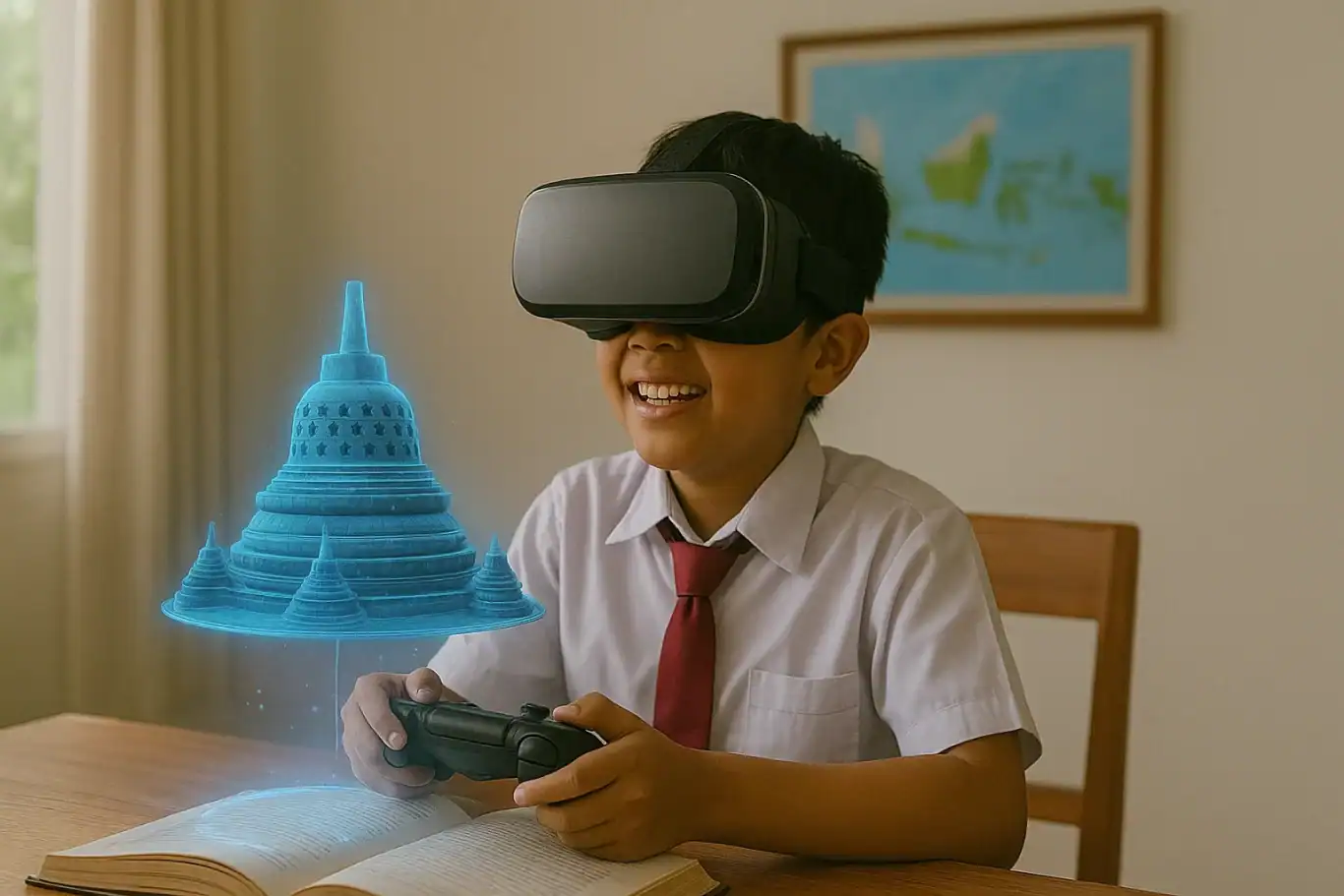
One of the most promising functions of VR in the future is its ability to provide immersive and realistic learning experiences. Instead of only reading books or watching videos, children can “enter” directly into the learning material. For example, when studying history, they can explore the Egyptian pyramids or witness historical events as if they were truly there.

This experience-based learning improves children’s understanding of concepts and memory retention. With more sensory engagement, their brains process information in a more meaningful way.

2. Increasing Children’s Engagement and Motivation

Learning is often a challenge for children, especially when teaching methods feel monotonous. Through the function of VR in the future, learning activities can turn into something exciting and full of adventure.

Imagine children learning coding, physics, or biology in a virtual world where every lesson becomes an interactive game. VR provides a sense of exploration and discovery that keeps children more motivated to learn. Additionally, this technology helps children with visual or kinesthetic learning styles better understand material in ways that suit their strengths.

3. Developing Empathy and Social Awareness

Beyond formal education, the function of VR in the future also plays an important role in developing empathy and social understanding. With VR, children can experience what it feels like to be in someone else’s situation, such as living in another country or understanding the challenges faced by individuals with physical limitations.

These experiences broaden their perspectives and nurture values such as compassion, empathy, and respect for diversity. In an era of globalization, these abilities are invaluable in shaping a more inclusive and open-minded generation.

4. Supporting the Learning of Technical and Practical Skills
function of VR in the future

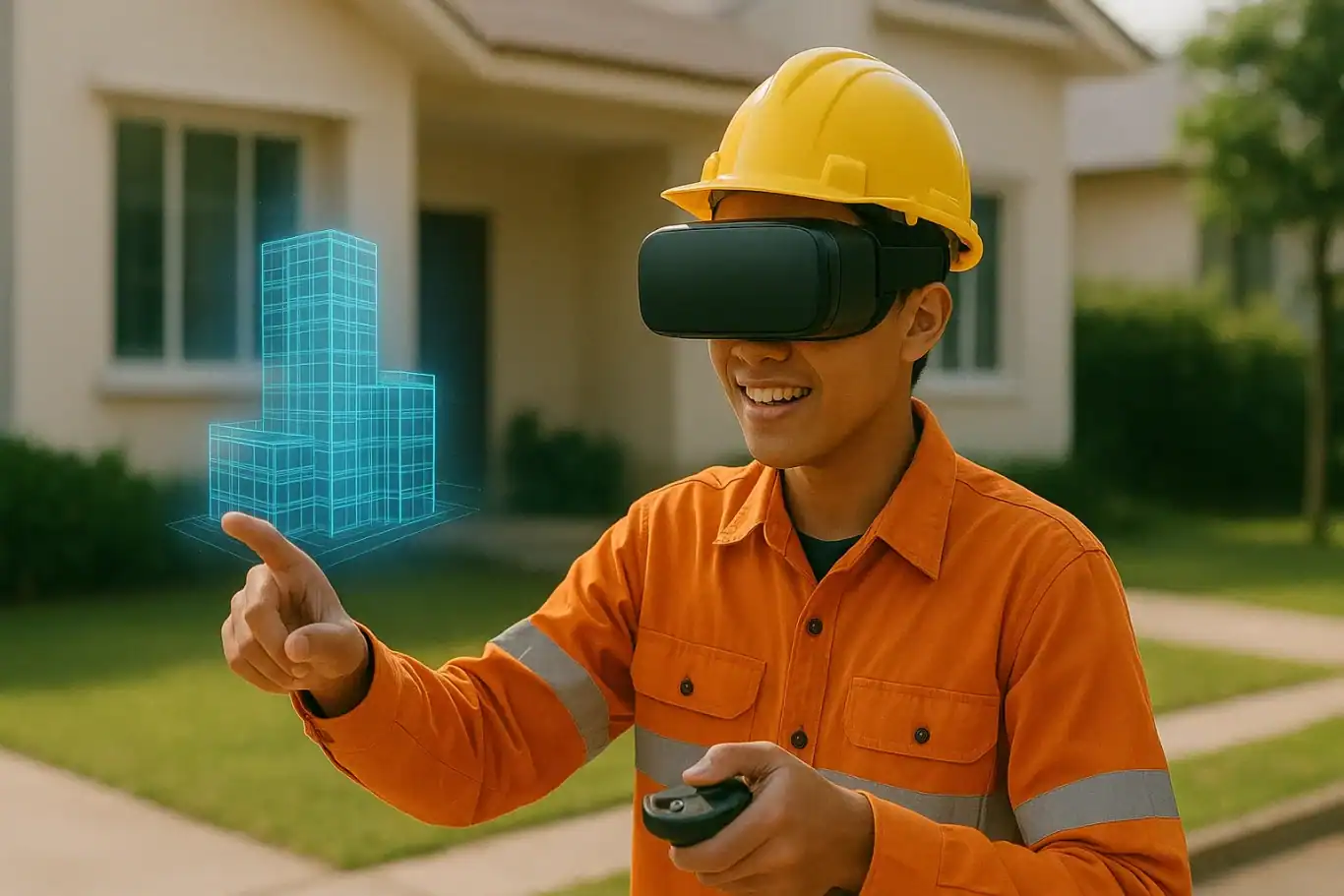
In the future job market, many professions will use VR for training and simulation. Therefore, understanding the function of VR in the future becomes important from an early age.

For example, in the medical field, students can use VR to practice surgery without any risk to real patients. In the aviation industry, trainee pilots can learn to control aircraft through realistic simulations. Even in design, architects can create and “walk through” virtual buildings before actual construction begins.

Thus, children who are familiar with VR from an early age will have a competitive advantage in the future because they understand how this technology works and how to apply it in practical ways.

5. Encouraging Creativity and Innovation

VR is not just about experiencing artificial worlds but also about creating them. One of the most powerful functions of VR in the future is its ability to nurture children’s creativity.

Through VR platforms, children can design their own virtual worlds, create characters, or even program interactions within them. This offers great opportunities to combine imagination, art, and technology. Beyond being fun, the process also trains critical thinking and problem-solving skills that are essential for the future.

6. Providing a Safe Environment for Experimentation and Mistakes

One of the greatest advantages of the function of VR in the future is its ability to create a safe environment for learning through trial and error. In a virtual world, children can experiment freely without fear of failure or causing real-world harm.

This is especially useful in science, engineering, and programming education, where making mistakes is an important part of the learning process. Children can repeat simulations until they truly understand the concept, building confidence and healthy curiosity.

7. Opening New Opportunities in Education and Careers
function of VR in the future

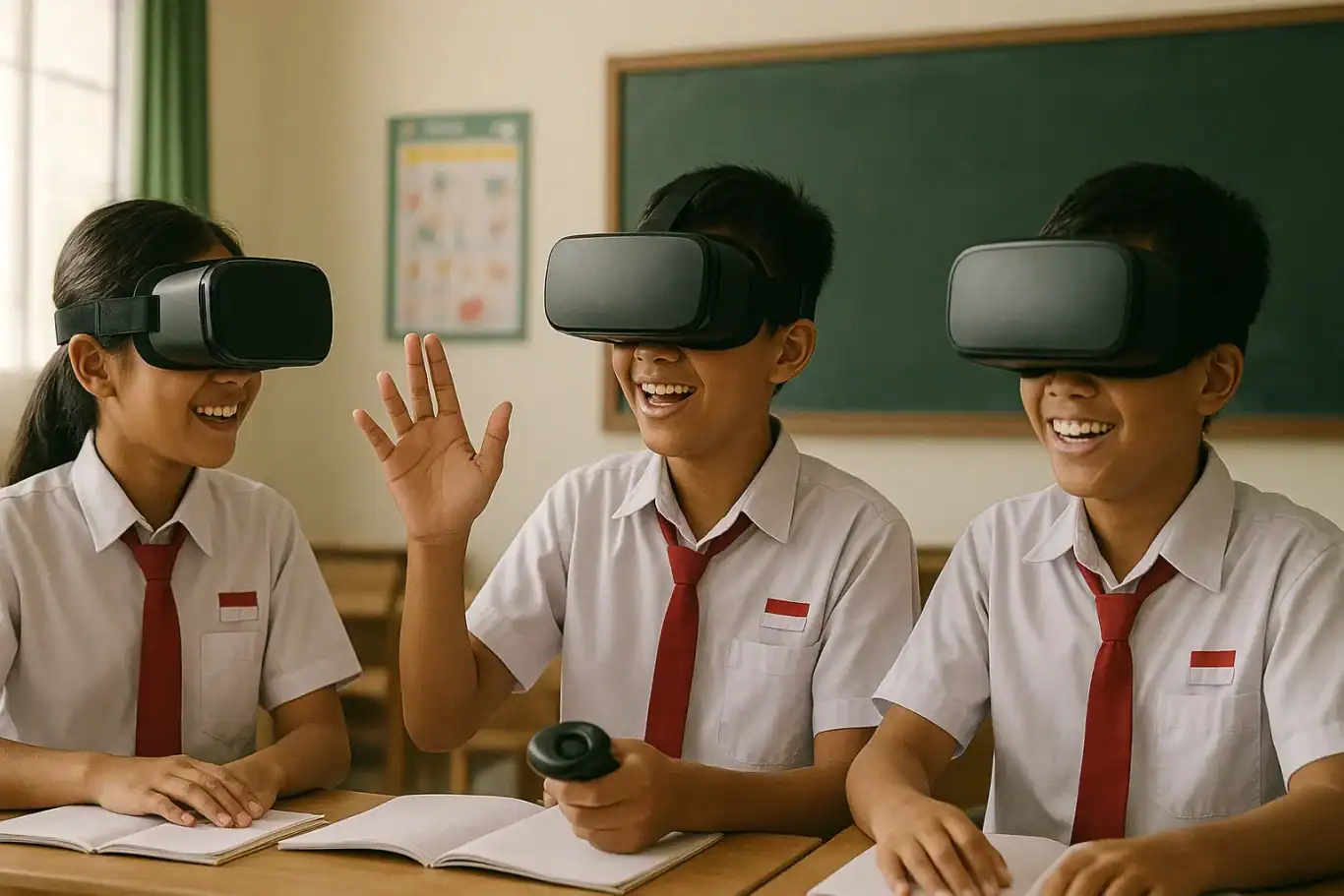
VR technology paves new paths in global education. With the function of VR in the future, children from different parts of the world can learn together in virtual classrooms, interact with teachers from other countries, and access high-quality educational resources without geographical limits.

In addition, VR-based industries such as game design, app development, digital training, and entertainment will continue to grow rapidly. Children who understand and can adapt to this technology will have broader and more exciting career opportunities in the future.

How Timedoor Academy Equips Children with Future Technology Understanding

Timedoor Academy believes that the future of children is not only determined by academic ability but also by their understanding of technology. Through interactive and enjoyable learning, students are introduced to the world of coding, digital design, and innovative technology relevant to today’s advancements, including the function of VR in the future.

Under the guidance of professional mentors, every child is encouraged to explore technology with curiosity, responsibility, and creativity. The goal is to help children become not just technology users, but innovative and forward-thinking creators.

Start Your Child’s Technology Journey Today

Ingin tahu detail program? Image

Ingin tahu detail program?

Technologies like VR are not just temporary trends but vital parts of children’s educational and career futures. If you want your child to be ready for the future with strong digital skills and a deep understanding of the function of VR in the future, now is the time to take the first step.

Register your child for a free trial class at Timedoor Academy today and discover how digital learning can be fun, safe, and inspiring for their future.


Keep Reading

Amazing Benefits of Robotics Course for Elementary Students Every Parent Should Know
Technology is advancing rapidly year by year. Children who are currently in elementary school will face a future filled with innovation, automation, and artificial intelligence. Therefore, equipping them with relevant skills from an early age is crucial. One of the best ways to prepare them is through a robotics course for elementary students. With engaging and practical methods, children can learn to understand technology while also developing their creativity. What Is a Robotics Course? A robotics course is a learning program that introduces children to the process of designing, assembling, and programming simple robots. Through a robotics course for elementary students, children can explore the basic principles of science, technology, engineering, and mathematics, often referred to as STEM. These activities are designed to be fun and interactive, so children feel like they are playing while actually building valuable skills. The Benefits of Robotics Course for Children Many parents are choosing a robotics course for elementary students because of its wide-ranging benefits. First, children learn to think logically and systematically. Each robot component must be installed in the correct order, helping them understand cause-and-effect relationships. Second, they develop problem-solving skills. When the robot does not work as expected, children are encouraged to find creative solutions. Third, the course teaches patience and perseverance since building a robot requires time and dedication. Boosting Creativity and Imagination Beyond technical aspects, a robotics course for elementary students also nurtures creativity. Children are not limited to simply following instructions, but are encouraged to design and test their own ideas. For instance, they can build robots that walk, light up, or even play simple music. This process shows children that technology is not only something to use, but also something they can create themselves. Developing Social Skills Many robotics course for elementary students programs are conducted in groups. This allows children to collaborate with peers, exchange ideas, and solve challenges together. Learning how to work in a team will benefit them not only in school, but also in their personal and professional lives later on. Building a Strong Foundation for the Future In today’s world, technology skills are key to future success. By taking a robotics course for elementary students, children are not only prepared for academic challenges but also given a strong foundation for careers in technology-related fields. Areas such as artificial intelligence, data science, and mechanical engineering will be easier to grasp because they have already been introduced to the basics of robotics at a young age. The Role of Parents in Supporting Learning Parental support plays a major role in a child’s learning journey. Celebrating small achievements, assisting them during robot-building sessions, or simply listening to their stories about class experiences can boost their confidence. With such support, every session in a robotics course for elementary students will become even more meaningful. Why Choose Timedoor Academy? Timedoor Academy offers a robotics program tailored specifically for elementary school students. Its curriculum goes beyond technical knowledge by also focusing on creative thinking and collaboration. Each class is guided by experienced mentors who understand how to introduce technology to young learners effectively. With a fun and interactive environment, children will be excited to join every session. Enroll Your Child at Timedoor Academy! If you want your child to develop future-ready skills, now is the perfect time to take action. Register them for a Free Trial at Timedoor Academy and discover how robotics courses can transform curiosity into real abilities. Click the registration button today and give your child the best opportunity to grow and succeed.
Membangun Kesehatan Mental Anak Sejak Dini di Era Digital 2025
Building Kids Mental Health Early in the Digital Age of 2025
In today’s fast-moving world, awareness around kids mental health has become more important than ever. Many parents now realize that emotional and psychological well-being is just as essential as physical health. In the digital age, kids are constantly exposed to information, social pressure, and expectations that may affect their mental balance. Recognizing early signs of mental challenges, creating a supportive environment, and guiding children through confidence-boosting activities are crucial steps to protect kids mental health. This article explores the key factors that influence emotional well-being, how to recognize potential warning signs, and practical steps parents can take at home. Why Kids Mental Health Matters Kids mental health affects how children think, feel, and behave on a daily basis. When their emotional well-being is supported, kids are more likely to adapt well to challenges, develop strong relationships, and solve problems effectively. However, if a child experiences ongoing emotional stress without adequate support, the impact can last into adulthood—affecting learning, social life, and even physical health. According to the World Health Organization, one in seven children and adolescents experiences a mental health disorder. This number highlights how essential it is for families to offer a nurturing environment where children feel safe, accepted, and understood. Signs Your Child Might Be Struggling As a parent or educator, recognizing early signs of emotional struggle can make a big difference. Some common indicators include: Sudden mood swings such as frequent anger or unexplained crying Withdrawal from friends, family, or favorite activities Difficulty sleeping or recurring nightmares Decreased concentration or loss of motivation Physical complaints like headaches or stomachaches without a medical cause Of course, not all behavioral changes mean your child has a serious problem. But if these signs persist and interfere with daily life, it’s best to consult with a mental health professional. The Parent’s Role in Supporting Kids Mental Health Parents play a central role in creating a safe, loving, and open environment. One of the most effective ways to support kids mental health is through healthy communication. Listen without judgment, ask caring questions, and create space for your child to express their emotions in a healthy way. It’s also important for parents to model good emotional habits. The way you manage stress, resolve conflicts, and balance daily life serves as a powerful example for your child. Positive Activities to Strengthen Mental Well-Being There are many simple activities that families can do together to support kids mentally and emotionally, such as: Spending time outdoors, giving kids space to explore and release energy Engaging in arts and crafts like drawing, dancing, or building things Encouraging journaling or storytelling as a way to process emotions Teaching mindfulness techniques like breathing exercises or light meditation Exploring new skills like coding, which helps build confidence and logical thinking At Timedoor Academy, we believe that digital education like coding doesn’t just develop technical skills—it also supports kids emotionally. Completing a small coding project can give children a sense of pride and achievement, making a real difference in their overall emotional growth. Creating Balanced Routines at Home A well-balanced daily routine is another key to maintaining kids mental health. Make sure your child has time not just for learning, but also for play, rest, and social interaction. Avoid overloading them with academic pressure, and allow space for relaxation and hobbies they genuinely enjoy. Also, limit excessive exposure to social media or overwhelming digital content. Guide your child toward age-appropriate, educational, and positive media. Always try to be present when they use digital devices. Taking Action: Support Starts at Home Building and maintaining kids mental health is not a quick fix—it’s an ongoing process that requires attention, patience, and consistency. With a loving home environment, healthy communication, and positive activities, parents can help kids grow into emotionally strong and resilient individuals. If you’re looking for a fun yet meaningful way to support your child’s development, interactive coding classes at Timedoor Academy could be a great fit. Our programs are designed not only to educate but also to build confidence through hands-on learning. Sign up today and try a free coding class and see how technology can play a role in nurturing your child’s emotional and mental growth!
How Much Do Coders Make Per Hour? A Guide for Parents Raising Digital-Ready Kids in 2025
In a world increasingly shaped by digital technology, many parents are exploring the idea of preparing their children for tech-oriented careers. One profession that consistently ranks high in both opportunity and income potential is coding. But the real question for many is this: how much do coders make per hour? And more importantly, is learning to code truly a worthwhile investment in a child’s future? Why Coding for Kids Is Gaining Popularity Today, coding is not just for software engineers or tech professionals. It is becoming a foundational skill much like reading or math. Through coding, children learn how to think logically, solve problems creatively, and build confidence in their own ideas. As a result, coding for kids has become a fast-growing trend in modern education. Parents are enrolling their children in fun and interactive programs that teach how technology works and how to create digital solutions, not just consume them. Even if a child does not end up becoming a coder, learning to code can strengthen cognitive and soft skills that are transferable to many future careers. Kids coding classes provide a safe, structured way to develop those skills early. So, How Much Do Coders Make Per Hour? The answer to how much do coders make per hour depends on several factors, including geography, experience, and specialization. Below is an approximate breakdown of how much coders make per hour in different markets: United States: USD 35 to 75 per hour Western Europe: EUR 25 to 60 per hour Global remote freelancers: USD 10 to 50 per hour depending on skill level and reputation High-skill niches such as AI or cybersecurity: USD 70 or more per hour In general, coders with advanced technical skills or niche expertise like machine learning or blockchain earn significantly higher hourly rates. This makes understanding how much do coders make per hour important not only for career planning, but also for setting realistic expectations. How Freelance and Full-Time Coder Salaries Compare Freelancers usually charge per hour or per project, and their income can vary from month to month. On the other hand, full-time coders are typically paid monthly or annually, with benefits such as health insurance, paid leave, and ongoing training. Globally, many entry-level full-time coders earn around USD 2,500 to 4,000 per month depending on the country and company. Senior-level coders or tech leads, especially in major cities or remote-first companies, can earn significantly more. Whether freelance or full-time, understanding how much do coders make per hour helps parents evaluate the earning potential of this profession in both local and global markets. How Parents Can Support Their Child’s Interest in Technology If your child shows interest in technology, here are a few ways you can support their journey into coding: Start with fun, age-appropriate toolsUse beginner platforms like Scratch or Blockly that make coding feel like play. Many of these tools are specially designed for kids coding and require no prior experience. Follow your child’s pace and interestsLet curiosity lead. Some kids love creating games, others enjoy building animations or solving puzzles. Balance screen time with creativityEncourage your child to apply what they learn through small projects. This helps them see coding as a tool for creation, not just consumption. Join a community or online classCoding for kids becomes more enjoyable when children can learn together with peers. Look for clubs or live online classes tailored for children. Being involved as a supporter rather than a teacher helps keep your child motivated and confident. Is Coding a Guarantee of Future Success? Not always. But it is one of the most valuable skills a child can learn today. Coding teaches problem-solving, systems thinking, and resilience, which are important across almost all future jobs. So while how much do coders make per hour can be a strong motivator, the real value of coding is in preparing children to adapt and thrive in a tech-driven world. Introduce Your Child to the World of Technology with Timedoor If you want your child to explore digital skills in a fun and age-appropriate way, Timedoor Academy offers interactive online classes designed for children. Try a free trial coding class today and see how kids coding can become a meaningful part of your child’s learning journey.
float button