Mar 09, 2026

Why was Roblox banned in Indonesia? Here is Komdigi’s explanation and how children can remain creative without risk!
Why was Roblox banned in Indonesia? Here is Komdigi’s explanation and how children can remain creative without risk! image

Source: katadata.co.id

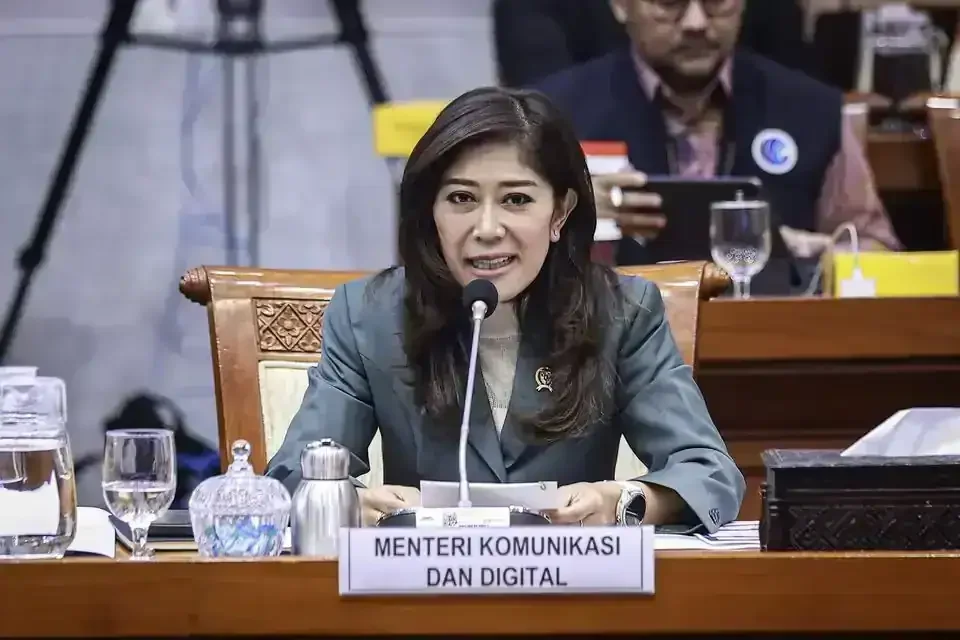
Shocking news has come from the Ministry of Communication and Digital Affairs (Komdigi). On social media, official statements regarding restrictions on access to digital platforms for minors have begun to be widely discussed. Many parents are asking, ‘Is it true that Roblox will be banned?’

Through its official statement, the government has reaffirmed its commitment to protecting children from digital risks. Komdigi stated that starting on 28 March 2026, access to social media (such as TikTok and Instagram) and gaming platforms such as Roblox will be restricted for children under the age of 16. This is because these platforms are classified as high risk in terms of exposure to age-inappropriate content.

Why is the Government Concerned?

We must acknowledge that child safety in the virtual world is a major challenge. As a very popular platform, Roblox does pose risks if used without strict supervision, especially in relation to interactions with strangers or user-generated content that has not been fully filtered. This is what underpins the government’s decisive action to minimise the negative impact on the mental health and safety of our children.

Good News: Roblox Continues to Tighten Security

Despite the blocking issue, it is important for parents to know that globally, Roblox itself continues to make major updates to its security system. Based on information from Internet Matters and The Guardian, Roblox has launched new features to give parents greater control:

  1. Parental Accounts: Parents can now link their accounts to their children’s accounts to monitor their activities directly.
  2. Age Restrictions for Children Under 13: Children under the age of 13 are now restricted from accessing chat features outside of the game and are prohibited from entering social hangout categories that are considered less educational.
  3. Content Maturity Labels: A clearer rating system to ensure children only play content appropriate for their age category.

Don’t Let Children Be Sad, Turn Them Into ‘Creators’ 

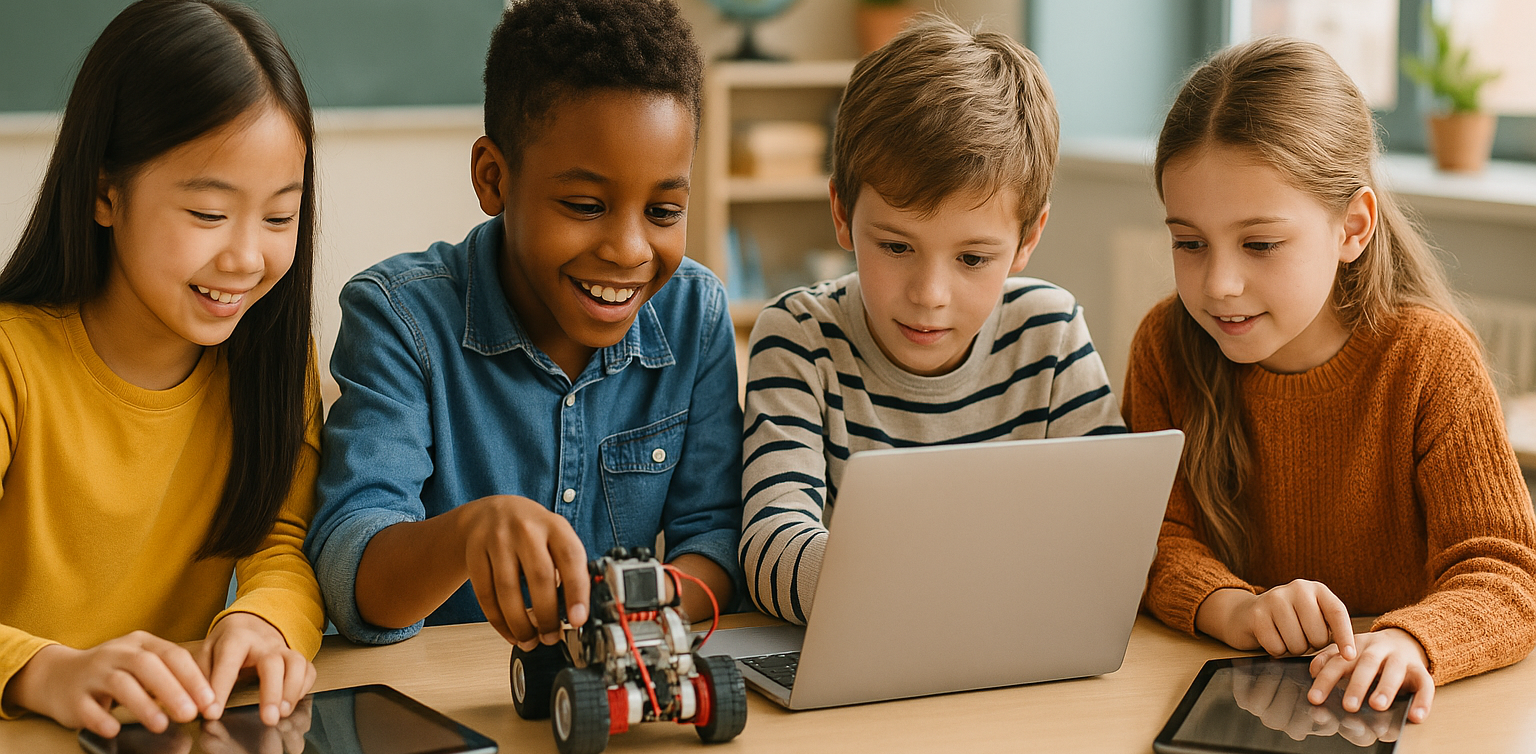
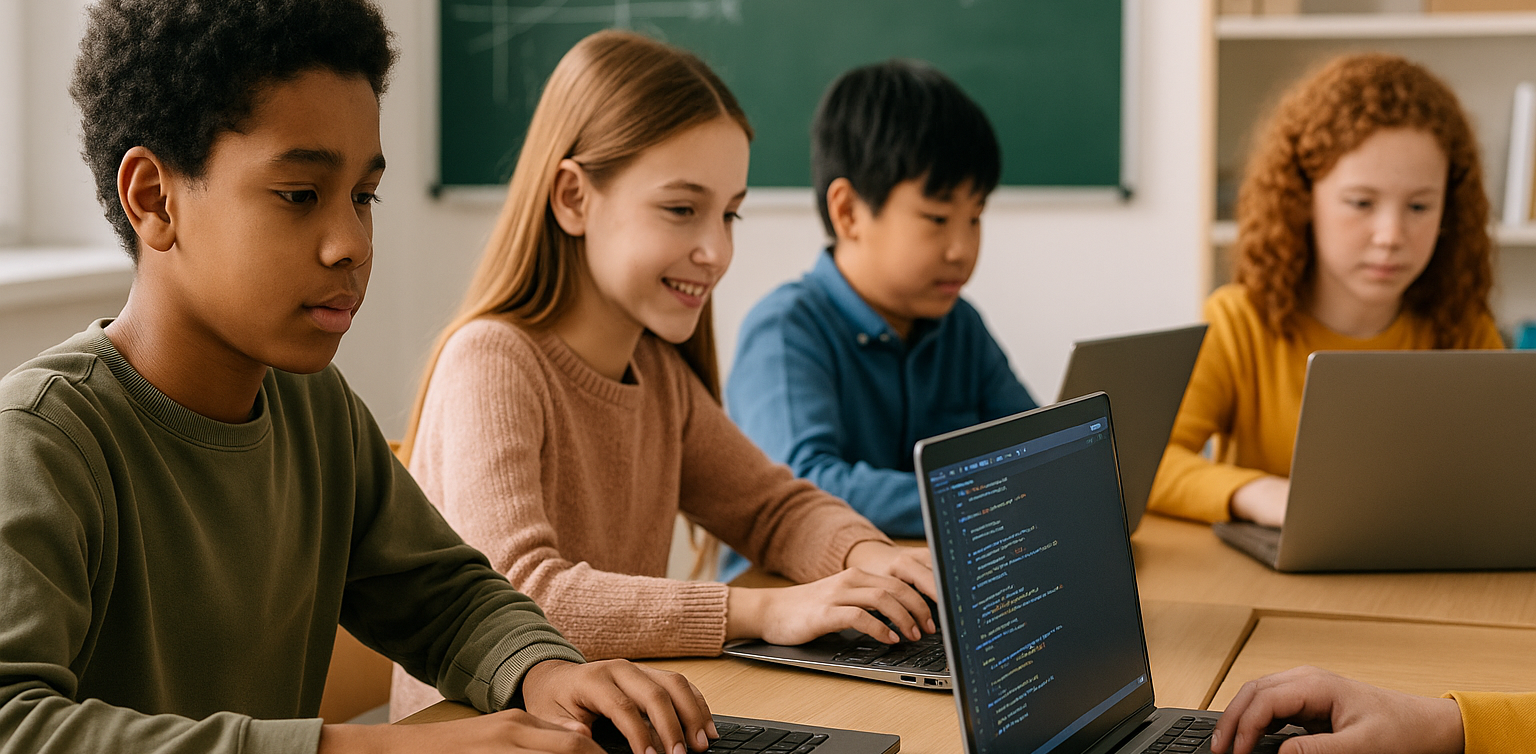
Looking at this issue, we need to see it from a broader perspective. The main problem is not with Roblox itself, but with how children use it. At Timedoor Academy, we help children transition from being passive Players (Users) to productive Creators through Roblox Studio.  

Why is learning in Roblox Studio safe and beneficial?

  1. Productive Platform: Roblox Studio is not a place to play games, but a professional game development tool. To date, there are no regulations prohibiting the use of Roblox Studio because its function is for education and creativity.
  2. Learning Future Skills: Through our curriculum, children learn programming logic (coding), mathematics, and even English in a very enjoyable way.
  3. Educational Games: The games we teach at Timedoor Academy focus on educational content, enabling children to build a positive digital world.

Safety Commitment at Timedoor Academy

Parents, don’t worry! At Timedoor Academy, we are fully committed to ensuring the safety and comfort of your children’s learning experience. We prioritise a safe learning environment, especially when teaching coding through Roblox Studio. Here are the concrete steps we take to protect our students:

  1. Full Supervision: Our main focus is to develop children’s productive skills through coding. Therefore, we will continue to supervise students in using Roblox Studio as long as there is no official ban from the government. This ensures that students’ learning continues to run smoothly.
  2. Identity Verification: If new regulations require stricter verification, we will ask for your consent as parents to use official IDs. The goal? To ensure that your child’s account remains legal, safe, and fully compliant with government regulations, so you can rest assured while your child creates.
  3. Total Transparency for Parents: We believe in complete openness. You can always access and check all the details of your child’s activities during class, from coding projects to any interactions.

With this approach, Timedoor Academy is not just a place to learn coding, but also a trusted partner in educating children safely.

Conclusion for Parents Instead of focusing our energy on our children’s disappointment over restricted access to play, let’s encourage them to see new opportunities. Turn their sense of ‘loss’ into motivation to create. With Timedoor Academy, children are no longer just spending time in front of a screen, but are building their own future as technology creators.

Want more advice on how to channel your child’s interest in technology in a more positive way? Join our community at Timedoor Academy!

Prepare your little one for the future through exciting learning experiences. Sign up for a free trial  session now!
Keep Reading

Jumbo 2025 Movie Poster
Jumbo and Kids: 3 Inspiring Lessons on Imagination & Technology
As parents, we want to understand the world of children that often seems “absurd”-full of fantasy, but also full of potential. In today's digital era, that world of imagination can be realized not only through drawings or handwriting, but also through digital media such as coding, animation, and game development. So, what can we learn from Jumbo's story about children and technology? 1. Children's Imagination Is Their Greatest Asset Jo, the main character of Jumbo didn't create Jumbo because she was told to, but because she felt alone and wanted a friend. Children have a rich inner world, and imagination is often the bridge to expressing emotions or exploring new ideas. Unfortunately, in an education system that focuses too much on academics, children's imaginations can be forgotten. In fact, in the world of technology, creativity is a major force. Many great innovations were born not from knowledge, but from the courage to imagine things that do not yet exist. As parents, we can start by asking: “If you could make a robot like Jumbo, what would it be like? Can it do anything?” From there, children learn to think creatively and express ideas concretely. 2. Technology: Not an Enemy, But a Tool of Expression In the movie Jumbo, technology serves as a medium of expression-not just an entertainment tool. Just like Jo who built Jumbo from scrap, kids today can also create something from what they have: laptops, tablets, and internet connections. However, the use of technology must be directed. Gadgets are not always bad. If used with a clear purpose, they can be a means for children to learn to think logically, innovate, and even convey their feelings. Instead of forbidding children from playing with gadgets, we can ask: “What can you make with it?” “Do you want to try making your own game or animation?” This is where technology changes function: from passive consumption to active creation. 3. Every Child Can Be a Creator, Not Just a User The movie Jumbo gives us one important message: children have the capacity to create something extraordinary, as long as they are given the opportunity. Not every child has to be a scientist or engineer, but every child can be a creator-they just need the right platform. Nowadays, learning technology such as coding or animation can start as early as elementary school. Children don't need to build robots right away, but they can start by creating characters, organizing storylines, or creating small games. This process trains many things: from systematic thinking, problem solving, to cooperation. And most importantly? They learn to believe in their own ideas. Are we ready to give children the space to create? As parents, we have an important role to play in assisting and facilitating our children's explorations - not rigidly directing them. Children's imagination, like Jo in the movie Jumbo, is often the early foundation of 21st century skills: creativity, empathy, technological literacy and innovation. Giving space to play and imagine with technology could be the first step towards a brighter future for our children. Help Your Child Bring Their Wild Ideas to Life with Timedoor Academy At Timedoor Academy, we believe that every child has tremendous potential to create and not just follow. Through programs such as coding, animation, and digital design, children are encouraged to hone their imagination and put it into tangible form: from interactive games, animated characters, to personal digital projects that reflect their ideas and feelings. With a fun and structured approach, we help children understand that technology is not just consumption, but also a space for exploration. Our classes are online and interactive, guided by professional mentors from Indonesia and Japan, and designed for children aged 5 to 18 from various backgrounds. So if your child has an imaginary world as big as a Jumbo robot, maybe they just need one thing: the right environment to make it happen. Timedoor is here to be the bridge between a child's idea-rich world, and a bright future!
5 Top Tips How to Teach Discipline to Children
Teaching discipline is not an easy task, especially when it involves children. However, discipline is a crucial life skill that shapes a child's future in terms of responsibility, self-control, and decision-making. That is why understanding how to teach discipline to children from an early age is an essential step for every parent. Discipline does not mean punishment. On the contrary, it is a process of guiding children to understand right from wrong and helping them take responsibility for their actions. Children who grow up with healthy discipline tend to be better at managing their emotions, completing tasks, and building strong social relationships. Why Discipline Matters for Children Discipline plays a major role in character development. Children who are raised with consistent discipline are more likely to follow rules, respect time, and understand the difference between desires and responsibilities. These are the building blocks of independence and accountability. Moreover, by understanding how to teach discipline to children, parents can avoid parenting styles that are either too strict or too permissive. A balanced approach, combining warmth and clear boundaries, is key to shaping positive behavior. Effective Strategies to Build Discipline Here are some effective ways parents can apply discipline at home: Set Clear Rules from the StartChildren need to know what the house rules are. For example, bedtime routines, screen time limits, or daily chores. Use simple and age-appropriate language. Be ConsistentOne of the most common mistakes in how to teach discipline to children is inconsistency. If rules are only enforced occasionally, children will be confused and may start testing boundaries. Consistency helps them understand that rules apply all the time. Use Logical ConsequencesDiscipline should be constructive, not harsh. For example, if your child leaves toys scattered, the consequence could be not playing until they are cleaned up. This teaches cause and effect. Use Positive LanguageAvoid saying “Don’t be naughty” or “You always misbehave.” Replace these with “Let’s try again the right way” or “Can you show me how you listen?” Encouraging language boosts confidence and cooperation. Lead by ExampleChildren learn by watching. If parents are disciplined with time, responsibilities, and emotions, children will likely follow. That is why being a role model is an important part of how to teach discipline to children. Challenges in Disciplining Children Of course, the process will not always be smooth. There will be times when children test limits or throw tantrums. In such moments, it is important for parents to remain calm and avoid reacting in anger. Discipline is a long-term process, not a quick fix. Another challenge is that every child is different. Some are naturally easygoing, while others may be more strong-willed. This means that how to teach discipline to children should be tailored to each child’s personality. A personal approach is often more effective than using the same method for every child. Extra Tips for Building Discipline Create a daily routine and involve your child in planning it Use visual tools like chore charts to keep track of progress Celebrate small successes with encouragement or praise Involve your child in conversations about mistakes to help them reflect and grow With consistency and patience, parents can succeed in teaching discipline. Children who learn to manage themselves early are better prepared for school, friendships, and life challenges ahead. Final Thoughts: Discipline Builds the Future Discipline is not about control, but about guidance. Children raised with healthy discipline are more likely to succeed academically, socially, and emotionally. Though the journey takes time, the results are worth it. As a complement to character development, many parents today are introducing children to logical thinking through coding. At Timedoor Academy, kids can learn coding in a fun and age-appropriate way. It is not just about tech skills, but also about building focus, patience, and persistence — values that go hand in hand with discipline. Try a free coding class at Timedoor Academy and watch your child grow through learning!
The Importance of Soft Skills for Elementary School Kids
In today’s digital era, academic intelligence is no longer the only key to success. Soft skills are increasingly recognized as essential in building confidence, shaping character, and preparing children for global challenges. Among the many valuable soft skills to develop early on, one stands out as especially impactful: Skill Public Speaking. As parents, we naturally want our children to grow into confident individuals who can express themselves clearly. Public speaking is not just about standing on a stage and speaking to an audience. It is about communicating ideas with clarity, conviction, and confidence. This ability becomes a strong foundation for children in both their academic and social lives. Why Soft Skills Matter for Elementary School Kids During the elementary school years, children are at a stage of rapid cognitive and emotional development. They are learning to understand themselves, relate to others, and form habits that will carry into adulthood. Soft skills such as communication, empathy, leadership, and teamwork help children adapt more effectively to various situations. Among these, Skill Public Speaking plays a crucial role. The ability to speak clearly and confidently can help children in school presentations, competitions, and even everyday interactions with peers. More importantly, it trains them to listen to their audience, manage nervousness, and deliver messages in a structured way. Benefits of Developing Skill Public Speaking Early Boosting Confidence Children who regularly practice speaking in front of others gain more confidence in expressing their opinions. This confidence benefits them not only in school but also in everyday life. Encouraging Structured Thinking When preparing a presentation, children learn to organize their ideas systematically. This process sharpens their critical and analytical thinking skills. Improving Social Abilities Skill Public Speaking teaches children to maintain eye contact, observe audience reactions, and engage effectively with others. These habits strengthen their empathy and social connections. Preparing for the Future Strong communication skills are highly valued in higher education and the professional world. By learning public speaking in elementary school, children gain a long-lasting competitive advantage. The Role of Parents in Supporting Their Children Parents play a significant role in encouraging children to practice speaking confidently. Supportive gestures such as giving praise, providing opportunities to perform, and creating a safe environment free from harsh criticism help children feel more comfortable. Simple activities, like letting a child tell stories to the family, read aloud, or present a project, are excellent starting points. Parents can also guide their children toward structured learning programs. These programs not only teach techniques for effective Skill Public Speaking, but also help children manage nervousness, choose their words carefully, and engage with different audiences. How Timedoor Academy Supports Children Timedoor Academy recognizes the importance of developing soft skills at an early age. Through a well-designed curriculum, children can learn Skill Public Speaking in a fun and interactive environment. Experienced tutors provide guidance that helps students improve their speaking ability while also building self-confidence. Each session is designed to actively involve students, ensuring they not only learn the theory but also practice directly. Whether through presentations, role-plays, or group discussions, children gain valuable experience that prepares them for both academic and real-life situations. By practicing regularly in a safe and supportive environment, children gradually overcome their fears and discover the joy of expressing themselves clearly. This approach builds resilience and prepares them for greater challenges ahead. Building a Future-Ready Generation Soft skills are as important as academic abilities in preparing children for success. With Skill Public Speaking, children become more confident, thoughtful, and ready to engage in today’s dynamic world. The earlier they begin practicing these skills, the greater the positive impact on their development. For parents, investing in their child’s soft skills is a meaningful step toward long-term growth. With the right encouragement and proper guidance, children can grow not only academically strong but also emotionally resilient and socially capable. Ready to Support Your Child? If you want your child to grow into a confident individual who is ready to face future challenges, Timedoor Academy is here to help. Enroll them in a free trial program and let them experience the excitement of learning Skill Public Speaking in a fun, interactive, and supportive environment. Through this program, your child will discover new ways to express themselves while preparing to become part of a strong and capable future generation.
float button