Oct 15, 2025

7 Powerful Secrets to Make Learning Coding Fun for Kids

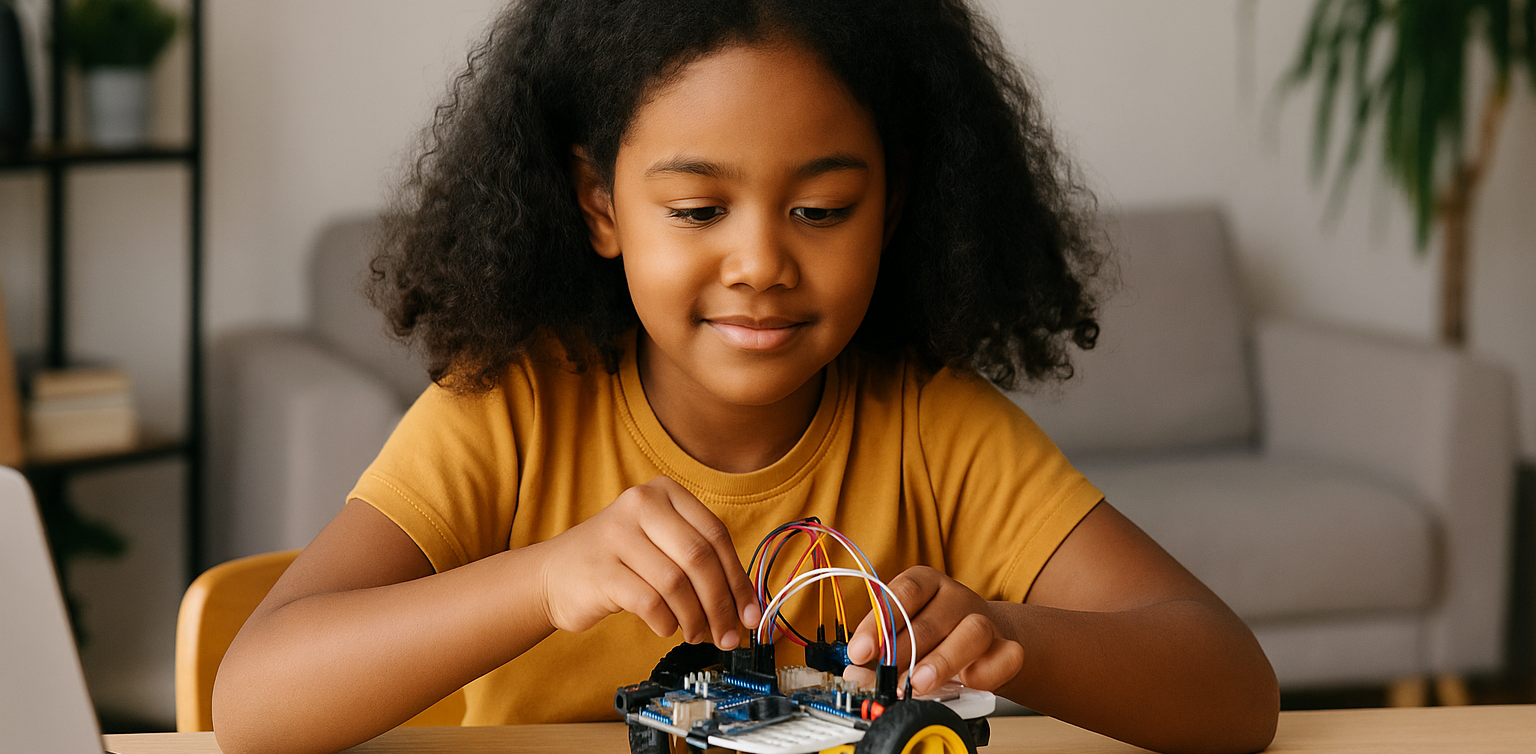
7 Powerful Secrets to Make Learning Coding Fun for Kids image

In today’s digital era full of opportunities, coding has become an essential skill that can open many doors to a bright future. However, many parents still think that learning coding is difficult or complicated. In fact, with the fun way to learn coding, children can enjoy the process while developing creativity and logical thinking skills.

Timedoor Academy understands that every child learns differently. Therefore, the teaching approach must make children feel engaged, excited, and not pressured. Through interactive learning, children not only understand technical concepts but also learn how to solve problems in a fun and meaningful way.

Why Should Learning Coding Be Fun?

fun way to learn coding

When children enjoy the learning process, they can understand concepts more easily and stay motivated to explore more. The fun way to learn coding helps build a child’s natural curiosity about the world of technology.

Unlike traditional learning methods, fun learning puts children at the center of the experience. They do not just listen to theories but actively create something real, such as a simple game, animation, or mini app.

This approach not only makes coding easier to understand but also helps children develop critical, creative, and collaborative thinking skills.

1. Learning Through Real Projects

One of the best fun ways to learn coding is by working on real projects. Children can create projects based on their interests, such as designing game characters, making a simple website, or creating an interactive story with code.

When they see their hard work turn into something real, their sense of pride and confidence grows. These projects also provide deeper meaning compared to doing theoretical exercises.

2. Using Interactive and Visual Media

Learning coding does not always mean staring at a screen full of text. Timedoor Academy uses a variety of interactive tools such as visual platforms and educational games designed especially for children.

These tools help kids understand programming logic in a visual and intuitive way. As a result, the fun way to learn coding becomes real, as children not only learn but also play and create at the same time.

3. Guided by Friendly and Professional Mentors

Another key factor is guidance from mentors. A professional mentor knows how to create a positive atmosphere and keep students motivated.

At Timedoor Academy, mentors are not just teachers but also friendly companions in learning. They guide patiently and help children discover their best learning style. This makes the learning process warm, personal, and supportive of the fun way to learn coding for every student.

4. Connecting Coding to Daily Life

fun way to learn coding

Children understand things more easily when they can relate them to their personal experiences. For example, explaining logic through their favorite games or situations they encounter daily.

This approach helps children realize that coding is not something foreign but a part of modern life. In this way, the fun way to learn coding allows kids to see the real benefits of technology around them.

5. Encouraging the Spirit of Experimentation

In coding, making mistakes is completely normal. In fact, mistakes are valuable opportunities to learn and grow. Timedoor Academy encourages children not to be afraid of failure because each attempt helps them understand better.

With a supportive environment, children feel confident to experiment and innovate. This is the essence of the fun way to learn coding, making them feel safe to explore without pressure.

6. Learning Together with Friends

Learning in groups makes the classroom atmosphere more active and interactive. Children can discuss ideas, collaborate, and even work on one project together. Besides improving social skills, this also trains children to work in teams, just like professionals do in the real world.

Timedoor Academy integrates teamwork in every class, so children learn to communicate and respect others’ opinions. With a positive learning community, the fun way to learn coding truly comes to life.

7. Appreciating Every Process and Achievement

Children feel motivated when their efforts are recognized. Timedoor Academy always appreciates every child’s progress, no matter how small it is. These recognitions help children stay passionate about learning and growing.

Through this positive and appreciative approach, the fun way to learn coding becomes an unforgettable experience. It is not only about the result but also about enjoying the process of learning with enthusiasm and joy.

The Role of Parents in Supporting the Process

fun way to learn coding

Parents play a big role in helping children enjoy the coding journey. Emotional support, encouragement, and time from parents can make children more enthusiastic about learning.

It is also important for parents to understand that coding is not only about technical skills but also about building logical, creative, and problem-solving mindsets. By giving children the freedom to explore, they will grow into independent individuals who are ready for the digital future.

Learning Coding is Fun!

Ingin tahu detail program? Image

Ingin tahu detail program?

Learning coding does not have to be difficult or boring. With the right approach, the fun way to learn coding can become an inspiring experience for children.

Through interactive lessons, supportive mentors, and a positive learning environment, children can develop critical thinking, creativity, and confidence while enjoying the world of technology.Do you want your child to learn coding in a fun and effective way? Register now for a Free Trial Class at Timedoor Academy! Let your child experience interactive learning that builds creativity, confidence, and love for technology from an early age.

Keep Reading

<strong>Authoritarian Parenting vs Gentle Parenting: Weighing Parenting Styles for Children in 2025</strong>
Authoritarian Parenting vs Gentle Parenting: Weighing Parenting Styles for Children in 2025
As society evolves, so do parenting trends both in Indonesia and worldwide. While authoritarian parenting was once the standard, gentle parenting is now gaining popularity among many modern families. The debate about authoritarian parenting vs gentle parenting raises an important question: which approach is more effective for shaping a child's character in today’s digital age? This article explores the core differences between authoritarian parenting and gentle parenting, discusses the strengths and weaknesses of each, and offers guidance on how parents can choose or even blend these approaches to best suit their children and family needs. What is Authoritarian Parenting? Authoritarian parenting is rooted in traditional values where discipline, obedience, and clear hierarchy are emphasized within the family. Parents take on a leadership role that is to be respected, while children are expected to follow rules and instructions with minimal negotiation. This style is characterized by strict rules, consequences for disobedience, and one-way communication, where the child’s opinion often holds little weight. Key features include: Non-negotiable rules set by parents Punishments or consequences for breaking rules Limited space for children to express their opinions A strong focus on achievement, independence, and resilience Gentle Parenting: A Contrasting Approach On the other hand, gentle parenting centers on empathy, open communication, and emotional support. Parents act as guides and companions rather than strict authority figures. Gentle parenting encourages children to be confident, expressive, and emotionally intelligent. This approach still involves boundaries, but they are established through understanding and dialogue rather than rigid control. Consistency, emotional validation, and positive reinforcement are the pillars of gentle parenting. Strengths and Weaknesses of Authoritarian Parenting As a classic style, authoritarian parenting is still used by many because it is believed to foster discipline and independence. Children raised with this approach often adapt well to rules and cope under pressure. However, there are risks: this method can make children afraid to make their own decisions, less self-confident, and reluctant to express their feelings or opinions. Gentle parenting, meanwhile, is often seen as more suitable for today’s tech-savvy generation. However, if not balanced with clear boundaries, it can leave children uncertain about rules and appropriate behavior. Authoritarian Parenting in the Digital Age: Challenges and Adaptation In this era of instant information, social media, and rapid cultural shifts, authoritarian parenting faces new challenges. Today’s children are exposed to more ideas and influences than ever before. While discipline and boundaries remain essential, parents also need to update their communication style so that children feel heard and understood. A blended approach—combining the structure of authoritarian parenting with the empathy and communication of gentle parenting—can help children become both resilient and emotionally healthy. Tips for Balancing Parenting Styles Here are some tips for keeping parenting effective in the modern age: Create Rules Together: Involve your child in setting family rules and explain the reasons behind them. Be Consistent but Open: Stick to important rules but be willing to adapt as your child grows. Validate Emotions: Listen to your child’s feelings and help them understand their emotions, even when maintaining discipline. Encourage Two-Way Dialogue: Give space for your child to share thoughts and concerns, not just receive instructions. Lead by Example: Show discipline, honesty, and responsibility in your own actions. Preparing Children for the Future When adapted thoughtfully, authoritarian parenting can help children develop the discipline, responsibility, and independence they’ll need for success in school, friendships, and future careers. However, don’t forget to also nurture their emotional and creative sides for a well-rounded upbringing. Nurture Future Skills with Timedoor Academy No matter which parenting style you choose, giving your child valuable skills for the future is essential. Coding, for example, is now a foundation for many modern professions. At Timedoor Academy, children can learn coding in a fun and interactive way, building logic, creativity, and problem-solving skills. Timedoor Academy offers a free trial class so your child can experience coding before joining the regular program. With expert teachers and a child-friendly curriculum, your child will be ready to adapt and thrive in the world ahead. Start a new adventure with Timedoor Academy today—sign up your child and help open the door to a brighter, opportunity-filled future.!
<strong>How to Increase Children’s Reading Interest in the Digital Era of 2025</strong>
How to Increase Children’s Reading Interest in the Digital Era of 2025
Encouraging a love of reading in children has become a unique challenge for parents in today’s digital age. With the rise of digital entertainment like games, social media, and videos, children are often more drawn to instant activities than to reading books. In fact, building the habit of reading from an early age is crucial for developing knowledge, imagination, and critical thinking skills in children. So, what are the most effective and relevant ways on how to increase children’s reading interest these days? Reading interest does not appear automatically. It needs to be nurtured through daily routines, a supportive environment, and positive examples from adults. Parents play the main role in creating an atmosphere that makes children excited about reading. In this article, we will discuss practical strategies on how to increase children’s reading interest both at home and at school. Why Is Children’s Reading Interest Important? Having a strong interest in reading is the foundation for a child’s growth and development. Children who love to read usually have a broader vocabulary, better logical thinking, and can understand school lessons more easily. Besides that, reading helps children learn about the world, develop empathy, and fuel their imagination. That is why finding out how to increase children’s reading interest is a great first step to preparing them for lifelong learning. Factors That Affect Children’s Reading Interest Before diving into the various tips on how to increase children’s reading interest, it is important to recognize what influences reading habits. Some key factors include: Family environment: A home that provides easy access to quality books will make it easier for children to start reading. Parental role: Children who often see their parents reading will naturally want to follow that example. Access to reading materials: A wide variety of books that match a child’s interests will boost their reading motivation. School support: Schools that run literacy programs or have inviting libraries will help encourage children to read more. How to Increase Children’s Reading Interest at Home Here are several tips on how to increase children’s reading interest that you can apply at home: Make Reading a Daily RoutineTry to read together with your child every day, such as before bedtime or during free time. This routine not only strengthens your family bond but also builds a positive reading habit. Be a Role ModelChildren are natural imitators. If parents are often seen reading books or articles, children will naturally become curious and want to do the same. Create an Inviting Reading CornerSet up a special area at home for reading, filled with colorful decorations. Add a bookshelf with age-appropriate books to make it more appealing. Provide a Variety of Book ChoicesOffer different types of books, such as picture stories, educational comics, and general knowledge books. Let children choose what they want to read so they feel more in control and motivated. Involve Children in Literacy ActivitiesInvite your child to visit libraries, bookstores, or book fairs. These experiences will broaden their view of literacy and inspire them with new ideas from outside the home. The Role of Schools in Increasing Reading Interest Schools also play a vital part in applying how to increase children’s reading interest. Teachers can arrange group reading programs, book review competitions, or classroom libraries with interesting collections. Collaboration between schools and parents is essential to maintain a child’s reading interest consistently. Technology can also be an effective supporting tool. There are many digital literacy applications that can be used as a way of how to increase children’s reading interest through interactive and modern formats. Children can read e-books, listen to audiobooks, or even join online book discussions. The Connection Between Reading and Other Skills A strong reading interest is closely linked with a child’s ability to think critically, write, and understand new concepts, including technology skills like coding. Children who are used to reading are often better at understanding instructions, solving problems, and adapting to technological developments. That is why learning how to increase children’s reading interest also helps them get ready to learn coding and other digital skills. Coding and Reading Interest: Skills for Today’s Children Learning coding has now become easier and more enjoyable for children thanks to creative materials such as interactive stories, puzzles, and project-based learning. At Timedoor Academy, children can learn coding while improving their reading and comprehension skills. The learning method here not only teaches programming logic but also strengthens digital literacy in children. Try a Free Coding Trial Class at Timedoor Academy Would you like your child to love reading and be ready for the digital world? Combine daily reading routines with fun coding activities. Register your child for a free coding trial class at Timedoor Academy. With this free class, children can experience interactive and creative coding lessons that also help develop their reading skills. Visit Timedoor Academy for more details and book your free trial class today. Increasing your child’s reading interest is not an instant process, but it is a long-term investment for their future. By supporting reading habits and introducing coding early on, you are giving your child the foundation they need to compete and thrive in an increasingly digital world.
Cara Menghasilkan Uang dari Koding
How to Make Money Coding as a Kid
In today’s tech-driven world, kids are not just consumers of technology. They can become creators too. One exciting way for young minds to explore this potential is by learning how to code. What’s even better? Coding is not just a fun and valuable skill. It can also help children start earning money at an early age. In this article, we will explore practical and age-appropriate ideas on how to make money coding as a kid, and how platforms like Timedoor Academy can help kickstart the journey.   1. Build and Sell Simple Games One of the most popular ways for kids to make money with coding is by creating simple games. Platforms like Scratch allow children to build their own games using visual programming blocks. Once they get the hang of it, kids can upload their games to platforms like itch.io or Game Jolt, where others can play and support their work through donations or small purchases. This is a great way for kids to combine creativity with coding skills. It also teaches them the basics of digital entrepreneurship, such as designing for users and thinking about what makes a game fun and engaging.   2. Design a Personal Website or Blog Creating a personal website is a great way for kids to showcase their projects and interests. Using platforms like WordPress, Wix, or coding from scratch with HTML/CSS, kids can build blogs, portfolios, or fan pages. Once the website gains some visitors, there are many ways to monetize it. These include placing ads through Google AdSense with adult guidance, using affiliate links, or even selling digital products like game templates or beginner-friendly coding guides. This helps kids learn how websites work and how online income is generated in real life.   3. Create YouTube Coding Tutorials Another exciting option on how to make money coding as a kid is by creating YouTube tutorials. Kids can teach others how to code in Scratch, build simple apps, or walk through a project step by step. These videos do not need to be fancy. They just need to be clear and helpful. As the channel grows, monetization through YouTube ads, sponsorships, and affiliate links becomes possible. This is also a great way for kids to improve their communication skills while reinforcing their own understanding of coding.   4. Sell Digital Art or Assets for Games Kids who enjoy both coding and art can create digital assets like characters, backgrounds, or sound effects. These can be sold on platforms like Unity Asset Store, OpenGameArt, or Itch.io. For example, if your child designs a cool background for a Scratch game, they can package it with a few more designs and offer it for free or for a small fee online. This is a fun way to blend art, coding, and entrepreneurship.   5. Try Safe Freelance Gigs (With Parental Help) Older kids or teenagers ages 13 and up can start exploring junior freelance work in simple coding tasks. These include fixing bugs, customizing websites, or helping with small scripts. Sites like Fiverr or Freelancer often have beginner-friendly gigs that can be done with parental supervision. Even if the job pays only a few dollars at first, the experience and confidence gained are invaluable. It helps children see how coding is used in the real world and builds their early portfolio.   6. Participate in Coding Competitions Many platforms and organizations hold coding competitions or hackathons for kids. These events often come with prizes such as gadgets, cash, or even scholarships. Websites like Tynker, Code.org, and local coding academies host events where kids can test their skills and possibly win something exciting. Competing not only motivates kids to learn faster. It also introduces them to other like-minded peers and creates a supportive community.   7. Build Mobile Apps With tools like Thunkable, MIT App Inventor, or even Flutter, kids can start building simple mobile apps. Whether it is a calculator, a quiz game, or a daily planner, these apps can be uploaded to the Google Play Store with adult help. Even if the app is free, kids can include ads or in-app purchases to start earning money. It is a great way to explore real-world coding with tangible outcomes.   8. Teach Coding to Other Kids Once your child becomes confident in their coding skills, they can teach younger children or peers who are just starting out. Whether it is through local workshops, helping a sibling, or organizing a mini class with friends, this builds leadership and communication skills. Some older kids even offer beginner Scratch tutoring sessions online, turning their knowledge into a meaningful side hustle.   Why Learning to Code Early Matters Understanding how to make money coding as a kid goes beyond earning an allowance. It teaches real-world skills like time management, problem-solving, entrepreneurship, and confidence. Kids who code not only learn how to build apps or games. They also gain a mindset that prepares them for the future.   Start Coding the Fun Way with Timedoor Academy If your child is curious about coding, game creation, or building their first app, Timedoor Academy is the perfect place to begin. With interactive lessons, expert guidance, and beginner-friendly projects, kids can explore coding in a way that is fun and engaging. Ready to see if coding is right for your child? Visit us to join a free trial class and let your child turn creativity into real skills and even their first coding income.
float button