Aug 16, 2024

Benefits of Coding: How Can Children Overcome Challenges Through Coding?
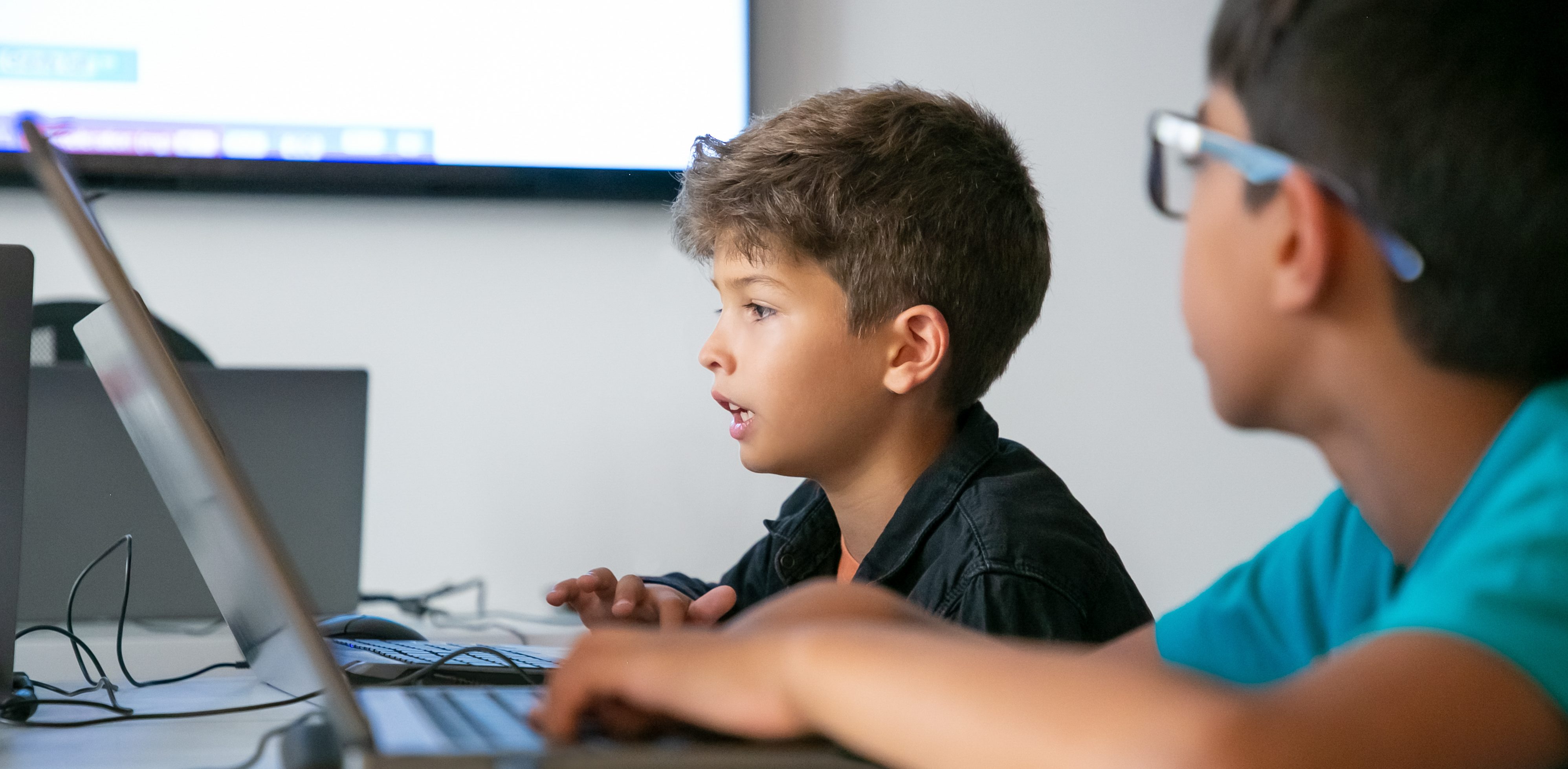
Benefits of Coding: How Can Children Overcome Challenges Through Coding? image

Educate children by utilizing the benefits of coding in order to help children learn more valuable life skills.

Have you encountered situations where the young ones have trouble dedicating themselves to their choices and remaining attentive as well as persistent to the task at hand?

Identifying what needs to be chosen and how to maintain a commitment to those choices is a crucial skill that needs to be developed from an early age, particularly in the event of the common challenge faced by parents or educators where youngsters struggle to commit and maintain focus on tasks. 

Kids should understand the value of perseverance and focused effort, learning to stay committed rather than abandoning their task especially when facing difficulties during the completion process. 

As they grow, kids require opportunities that allow them to practice making decisions and persevering in their chosen paths.

Hence, providing them with an environment that offers opportunities to foster and practice these skills will help children develop the resilience and determination necessary to persevere and overcome challenges.


The Power and Benefits of Coding to Help Children
Introducing coding at an early age provides kids with a unique and supportive environment to develop essential life skills, specifically perseverance, determination, long-term project management, and resilience to overcome challenges. This approach leverages the inherent nature of tasks, which often require sustained effort and problem-solving.


Cause and Effect in Coding Concept

Children should already begin to realize that each of their choices has long-term consequences. This awareness is a crucial aspect in shaping cognitive and emotional development from a young age.

Code learning will help children engage in projects that demand patience and persistence at the same time. Early coding concepts present the kids with the cause-and-effect relationship concept seeing that it is a clear and immediate example of how actions (writing code) lead to specific outcomes.

This case would develop logical reasoning skills where it allows them to connect events and understand how one action leads to another or affects the outcome. It enables them to recognize that certain errors are necessary learning experiences that need to be encountered to solve and make a perfect result.


Embracing Mistakes as Learning Opportunities in Coding

Moreover, having them know that mistakes are not the end of the world is important to make them prepared for future challenges and obstacles in their life. Experiences will help children to develop emotional strength and the ability to bounce back from setbacks.

In this term, errors or bugs frequently appear throughout the development process is just the beginning of a great debugging adventure. These glitches, flaws, or defects are an inherent part of programming and often emerge at various stages of writing and executing code.

Hence, the non-functional code the youth wrote assists them in understanding that these are natural occurrences and viewing them positively as stepping stones to greater comprehension and not as failures. 

The journey constantly requires and encourages kids to be determined and engaged in deep analysis, resolve complications, and experiment with different solutions. This will make them aware of the process of hypotheses and give them confidence in conducting simple experiments in order to find a workable solution.


Read Our Other Articles:

How Should We Manage Gadget Addiction in Children?

Free Coding Class for Children in Orphanage


Real-World Application and Benefits of Coding Skills

Benefits of Coding


Case Study: Children Animating a Virtual Character Through Coding

As an illustration, a child coding to animate the movement of a virtual character. However, there are unexpected results on the visual feedback after their commands are visually observed where the character glitches, misbehaves, or even makes an inhuman movement. 


Children’s Problem-Solving in Actions

In order to solve the problem, the coder must perform the actions to find the mistakes and debug their code to make the movement of animation smoother and without errors.

During the process of identifying what went wrong and why it happened, the kid will practice and refine their analytical skills, and critical thinking. At the same time, consistent effort over time is required where they are required to be patient with themselves and maintain high self-motivation. Thus, this will help children develop those skills that are greatly needed throughout their lives later on


Building Confidence and Self-Esteem Through Coding Success

Furthermore, being able to find the error and successfully make the code prompt work as planned and without trouble would gradually boost the children’s confidence and self-esteem.

Having high belief in their capabilities encourages them which help children to be curious and attentive to tackle other more complex obstacles in the related aspect. These are considered transferable skills that beneficially have wide-ranging applications for the kids’ future and it is indeed beyond the environment of programming. 


Conclusion

Help Children

In conclusion, learning how to code is a positive way not to only make them more productive but also to have more applicable skills. Coding offers a unique and effective platform for the young ones to develop crucial life skills.

At once, it nurtures them to understand the cause-and-effect and to see any setback in their life not as a progress stopper but as a helpful signal to resolve the mistakes they face. 

Throughout the process, the determination built will fortify children’s mindset always to overcome challenges in their future successful journey and allow them to be modern mini-Einsteins.

What to highlight is that these experiences are not only to enhance their programming abilities but also the benefits of coding to help children foster transferable skills that will benefit them in various aspects of life.

The reason is that by introducing coding at an early age creates a supportive environment for youngsters to build resilience, boost confidence, and cultivate a growth mindset, preparing them for future challenges both within and beyond the realm of technology.


Facilitate Youngers in a Supportive Educational Environment
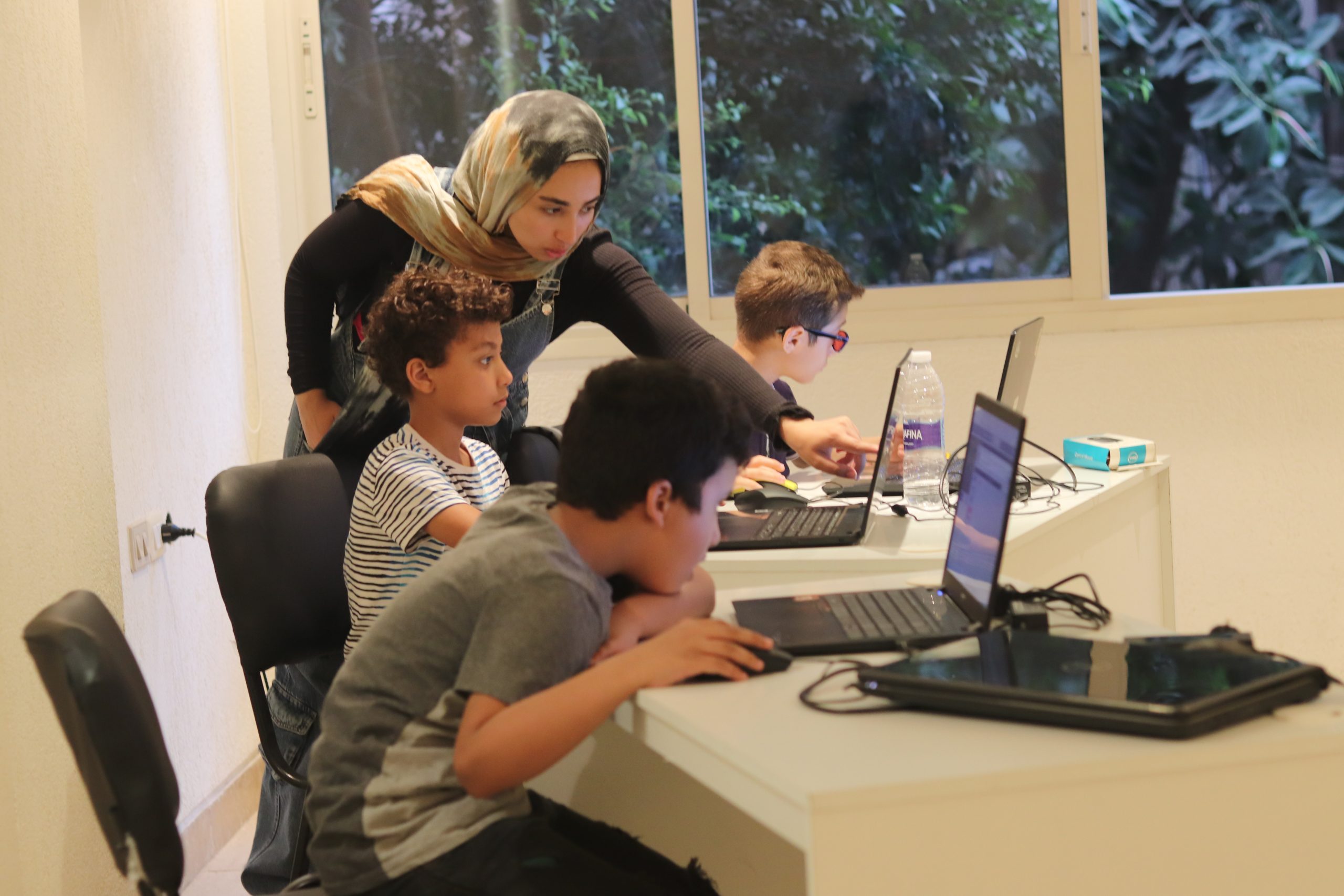
 

Therefore, unlock your sons and daughters’ potential and nurture their problem-solving skills through our innovative and engaging coding courses.

Timedoor Academy, is your young ones’ gateway to the exciting world of technology! We offer IT education courses designed to empower the next bright and young generation. At Timedoor, we provide expert teachers with hands-on, interactive lessons that transform complex concepts into fun and engaging experiences that will help children open their paths.

Sign up for our free trial class and watch as your young one’s eyes light up with the thrill of discovery and innovation.

Visit Timedoor Academy‘s website for more information.


Frequent Asked Questions

Q: What is coding?

A: Coding is the process of translating ideas into instructions using a language that computers can understand and execute.


Q: Why children should learn to code?

A: It teaches and helps children with several valuable skills that are also applicable to other realms of life including problem-solving, persistence, decision-making, digital literacy, and many others.


Q: Do children can learn coding?

A: Yes, they can learn it. There are many engaging and enjoyable ways to make the course understandable for youngsters.


Q: Is coding really needed in the future?

A: It is one of the most valuable skills in the future seeing that there is a constant increase in the demand for an individual to be technology-dependent.


Q: At what age should a kid start learning to code?

A: There are several reliable sources stating that it is recommended to begin learning to code at 5-6 years.


Keep Reading

<strong>How to Set Healthy Screen Time Limits for Children in 2025</strong>
How to Set Healthy Screen Time Limits for Children in 2025
In today’s digital world, children are growing up surrounded by gadgets and screens. Televisions, smartphones, tablets, and laptops have all become a normal part of their daily lives. While these devices bring convenience and learning opportunities, many parents are left wondering: how can we set screen time limits for children that support their healthy physical, mental, and social growth? When managed properly, screen time can be educational and entertaining. But when it becomes excessive, it may pose serious risks to children’s development. That’s why it’s essential for parents to create healthy screen time limits for children and stick to them consistently. Why Do Screen Time Limits for Children Matter? Children are naturally attracted to visual and interactive content. Without supervision, long hours in front of screens can lead to issues like poor sleep, eye strain, less physical activity, and difficulty with social interaction. At their developmental stage, children’s brains need real-world stimulation, not just digital input. Too much screen exposure can also shorten attention spans and reduce focus. Research shows that a lack of screen time limits for children may lead to lower academic performance, slower language development, and even emotional imbalance. Global Health Guidelines Both the World Health Organization (WHO) and the American Academy of Pediatrics (AAP) offer age-specific recommendations for managing screen use: Ages 0–2: Avoid screen time entirely, except for video calls with family. Ages 2–5: Limit screen time to a maximum of 1 hour per day with adult supervision. Age 6 and up: Monitor screen use to ensure it doesn’t interfere with sleep, exercise, or family time. Of course, duration is only one part of the equation. The type of content and how it’s used matter even more. Not all screen time is harmful—especially when it’s used for learning or creating. Risks of Excessive Screen Time Without reasonable screen time limits for children, several long-term consequences can appear: Sleep disruption: Blue light from screens can interfere with melatonin production, making it harder to fall asleep. Physical inactivity: Children who spend too much time on screens may become sedentary, leading to obesity risks. Eye strain: Prolonged use of devices can result in dry eyes and blurred vision. Delayed communication and social skills: Face-to-face interaction decreases, especially during early childhood. Emotional reactivity: Overuse of screens may lead to irritability, impatience, and difficulty managing emotions. How to Set Effective Screen Time Limits Here are several practical strategies that can help you manage screen time for your child: Create a clear daily routine: Only allow screen time after homework, reading, or chores are finished. Be a good role model: Reduce your own screen time at home so your child can follow your example. Use parental control features: Many devices and apps have built-in tools to manage screen access and usage time. Introduce fun offline activities: Encourage exercise, crafts, puzzles, or reading time to balance digital activities. Establish screen-free zones: Keep devices out of the bedroom, dining area, or family time spaces. Choose high-quality content: Use educational platforms or age-appropriate games and videos. Communicate openly: Explain the reasons behind setting limits and include your child in creating rules. Consistency, patience, and open dialogue will help your child build healthy digital habits that last. A Better Way to Use Screen Time: Learn Coding at Timedoor Academy Instead of banning screens altogether, guide your child toward something meaningful. Coding is one of the best ways to turn screen time into an active, creative, and skill-building experience. Children learn logic, problem-solving, and digital literacy in a fun and empowering way. At Timedoor Academy, we offer coding classes that teach children how to create games, websites, and animations while building responsible screen habits. With an international curriculum and project-based learning, screen time becomes a tool for growth—not just entertainment. Try our free trial class and see how your child can thrive with the right kind of digital learning.
What Is Vibe Coding? Understanding the Concept and Its Benefits for Kids
In today’s digital era, children are not only expected to excel academically but also to be creative, collaborative, and adaptable to technology. One learning method that is gaining attention in tech education is vibe coding. More parents and educators are beginning to ask: what is vibe coding, and how can it be used in a meaningful way to help children learn? This article will explain what is vibe coding, its core principles, and why this method is a fun and effective approach to introducing programming to young learners. If you’re considering a coding class that feels less rigid and more intuitive, vibe coding for kids might be the perfect fit. What Is Vibe Coding? To answer the question what is vibe coding, we need to understand the basic idea behind this learning method. Vibe coding refers to a teaching approach that emphasizes a fun, creative, and child-friendly atmosphere while learning programming. The word “vibe” represents the overall feeling or energy created during the learning experience. Unlike traditional programming lessons that can feel formal or rigid, vibe coding for kids focuses on letting children learn through play, imagination, and building meaningful projects. The emphasis is not just on the final product but also on enjoying the process of creating something. Why Is Vibe Coding a Great Fit for Kids? Once you understand what is vibe coding, it becomes clear why this method works especially well for children. Kids often get bored or overwhelmed by dry, technical lessons. Vibe coding for kids creates a fun, engaging environment that sparks curiosity and creativity. This approach incorporates storytelling, animations, music, and visuals to help children feel immersed in their projects. For example, kids can learn to code by creating their own video games, designing cartoon characters, or programming a virtual robot that follows commands. With this setup, children naturally learn the basics of coding such as logic, sequences, conditions, and loops. They’re not pressured to get everything right immediately. Instead, they’re encouraged to explore, try new things, and learn from mistakes. That’s the heart of vibe coding for kids: building a positive and flexible learning experience. Benefits of Vibe Coding for Kids For parents who are still unsure about this method, here are some key benefits that vibe coding for kids offers. It doesn’t just improve tech skills. It also supports broader developmental growth in young learners. Boosts creativityKids are encouraged to build things from their own ideas—games, animations, or simple apps. Develops logic and problem-solvingEven though the environment is playful, the foundation of vibe coding for kids is rooted in core programming logic. Promotes collaboration and communicationMany activities are group-based, teaching kids to discuss, share roles, and work as a team. Builds confidenceChildren gain pride and belief in their abilities when they successfully create something. Prepares them for the futureBy learning coding early, kids are better equipped for a digital-driven world. Vibe Coding at Timedoor Academy Now that you understand what is vibe coding, you might be wondering where your child can learn this method in a structured yet fun way. Timedoor Academy offers one of the best implementations of vibe coding for kids, combining creative programming with a child-centered teaching style. Timedoor’s platform is designed specifically for young learners, featuring project-based activities like game development, animations, and beginner-friendly applications. Every class is filled with engaging content and guided by experienced mentors who understand how kids learn best. The goal at Timedoor Academy is to make every student feel confident, curious, and excited about learning. Grades and tests are not the focus. Instead, it’s about exploring, creating, and enjoying the journey. This is exactly what vibe coding for kids is all about, and Timedoor applies it consistently across their programs. Conclusion: Let Your Kids Experience Vibe Coding Now you know what is vibe coding and how this approach makes learning programming enjoyable and effective for children. As our world becomes more digital, introducing kids to coding at an early age is no longer optional—it’s a smart and timely decision. If you’re looking for a coding class that sparks creativity, feels natural, and actually speaks your child’s language, vibe coding for kids at Timedoor Academy is a perfect choice. Sign your child up today and see how much fun they can have learning with vibe coding. Try a free trial class now at Timedoor Academy!
10 Practical Tips to Set Up a Comfortable and Productive Home Learning Space for Kids
In today’s digital age, children are not only learning at school but also through various online platforms from the comfort of home. That’s why setting up a home learning space for kids that is both comfortable and productive has become increasingly important. A well-organized learning environment supports better focus, enhances motivation, and encourages independent study habits from an early age. Here are ten simple yet effective tips to help parents create an ideal home learning space that supports both comfort and academic success. 10 Practical Tips to Set Up a Comfortable and Productive Home Learning Space for Kids 1. Choose a Quiet Spot with Minimal Distractions Start by picking a location that isn’t heavily trafficked throughout the day. Ideally, a home learning space for kids should be away from TVs, the kitchen, or play areas. If you don’t have a dedicated room, convert a quiet corner of the bedroom or living room into a learning zone. Use a bookshelf or lightweight divider to create a clear separation between study time and leisure time. 2. Ensure Good Lighting Lighting has a direct impact on mood and focus. Make sure the home learning space for kids has access to natural light during the day. For evening sessions, provide a desk lamp with bright but soft white lighting. Avoid dim lights, as they can cause drowsiness and reduce attention. 3. Provide Ergonomic Furniture A comfortable setup goes a long way. Use a chair and desk that match your child’s height to encourage proper posture. Add cushions or a footrest if needed, so your child can sit comfortably for longer study sessions. 4. Minimize Visual and Audio Distractions Overly bright or busy decor can be distracting in home learning space for kids. Stick to neutral or calming colors for the walls and furniture. Keep toys and unrelated devices out of reach during study hours. If noise from outside interrupts your child’s focus, consider using noise-cancelling headphones, especially during online classes. 5. Keep All Learning Materials Within Reach Equip the space with all the essentials: stationery, books, a laptop or tablet, headphones, and a reliable internet connection. Having everything nearby prevents unnecessary movement and keeps the child focused. Use storage bins or small shelves to keep the desk tidy and clutter-free. 6. Display a Daily Schedule Help your child develop a routine by creating a visual schedule. Post it on the wall near their desk using colorful charts or illustrations. The schedule can include study time, breaks, meals, and creative activities. Visual structure supports time management and builds responsibility. 7. Involve Your Child in the Setup Let your child have a say in how the space looks. Allow them to choose the colors, arrange the desk, or decorate with their favorite items. When kids feel ownership over their home learning space, they are more likely to use it enthusiastically and keep it tidy. 8. Ensure Good Air Circulation and Room Temperature A cool, fresh room helps maintain energy and concentration. Open windows regularly or use a fan or air conditioner if needed. Scent can also influence mood — try light, calming scents like lavender to create a relaxed environment. 9. Match the Setup to Your Child’s Digital Learning Needs If your child is involved in digital learning, make sure the equipment works smoothly. Check the laptop or tablet, webcam, microphone, and internet connection before class begins. Also, make sure their chair and desk setup supports good posture for screen-based learning. 10. Add Motivational Personal Touches Showcase your child’s artwork, awards, or inspiring quotes on the wall. Personal touches can boost confidence and make the space feel more welcoming and meaningful to them. Maximize Your Child’s Home Learning Space with the Right Learning Program Creating a home learning space for kids is a strong start, but it becomes truly effective when paired with the right learning content. Timedoor Academy offers a wide range of interactive online classes to help children grow academically and creatively — all from their home learning space. With subjects like coding, robotics, math, and digital creativity, your child can explore their interests in a fun and structured way. Sign up for a free trial class at Timedoor Academy today and give your child the opportunity to build skills for the future while learning comfortably at home.
float button