Jun 05, 2025

5 Top Recommendations for Child Psychologists and How to Choose the Right One

<strong>5 Top Recommendations for Child Psychologists and How to Choose the Right One</strong> image

Supporting a child’s mental health is one of the most important responsibilities of modern parents. Children do not only grow physically. They also need emotional development to help them deal with challenges in school, social environments, and family life. One effective way to support their emotional growth is by consulting with a child psychologist when needed.

A child psychologist is a professional trained to address emotional, behavioral, and developmental issues in children from toddlers to teenagers. Some parents may still feel hesitant to take their children to a psychologist due to social stigma. However, early consultation can actually prevent bigger problems and provide helpful strategies for long-term well-being.

Here are five trusted services that offer quality support from child psychologists. These include in-person sessions and online consultations for more flexible access.

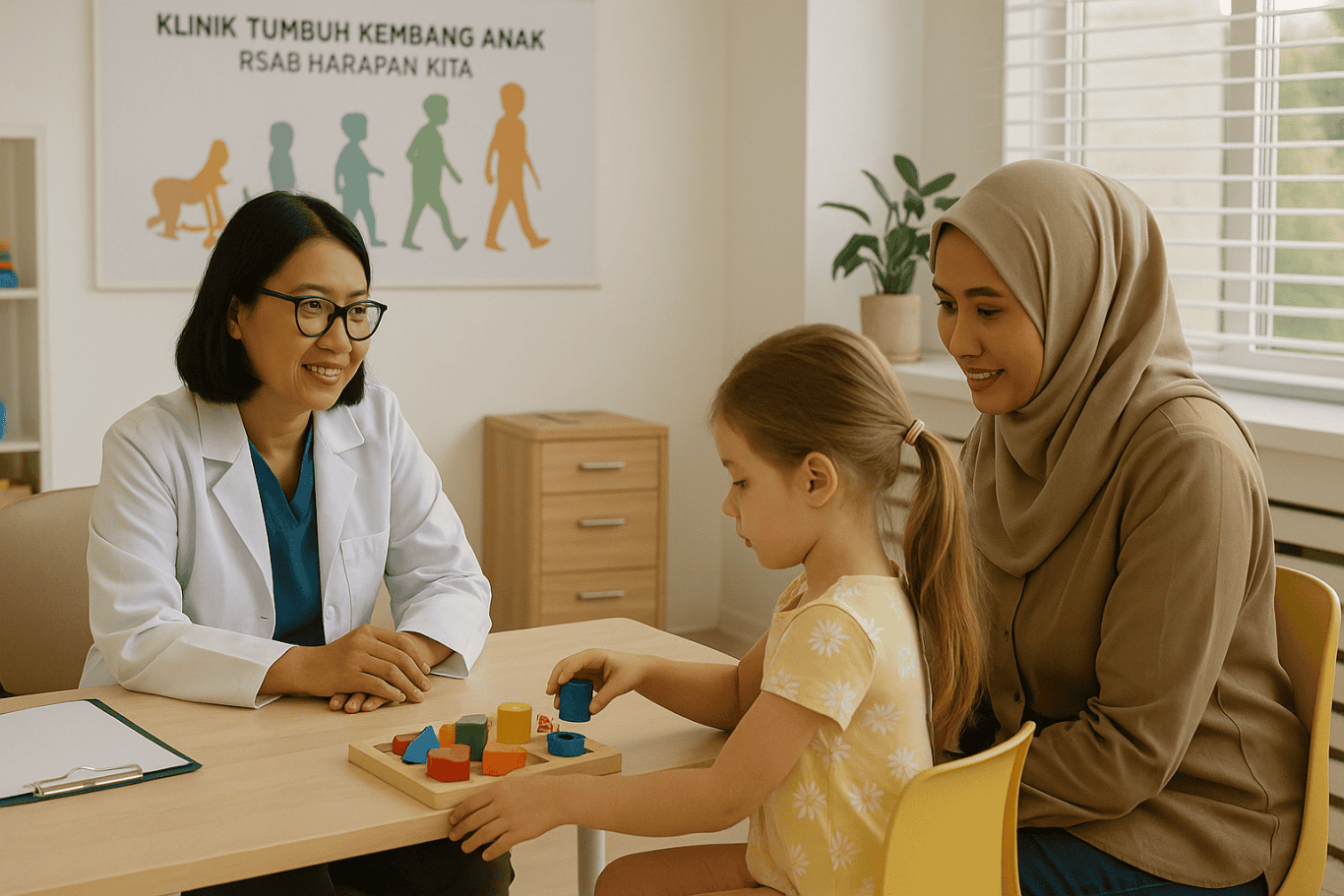
1. Child Development Clinic at RSAB Harapan Kita
child psychologist

This clinic is part of the Harapan Kita Women and Children’s Hospital. It is known for its experienced child psychologists who help children with speech delays, behavioral disorders, and learning difficulties.

Services:

  • Observation and therapy sessions
  • Developmental psychological testing
  • Parent counseling

Price: Starting from IDR 300,000 per session
Location: West Jakarta
Availability: Monday to Saturday

2. UI Center for Applied Psychology (LPT UI)

LPT UI is operated by the Faculty of Psychology at Universitas Indonesia. It offers professional child psychology services at affordable rates. Children with academic, emotional, or social issues can get personalized support here.

Services:

  • IQ and emotional intelligence testing
  • Play therapy sessions
  • Family and parental consultations

Price: Starting from IDR 200,000
Location: Depok (online sessions available)
Availability: Monday to Friday

3. Personal Growth

Personal Growth is a psychological clinic that offers child therapy services with a focus on emotional recovery and safe communication. Their psychologists take a warm and structured approach that makes children feel more at ease.

Services:

  • Cognitive behavioral therapy for children
  • Talent and interest assessments
  • Support sessions for parents

Price: Starting from IDR 500,000 per session
Location: South Jakarta
Availability: Flexible by appointment

4. TigaGenerasi

TigaGenerasi is known for its family-oriented services and offers a wide range of psychology support for children. They use storytelling, art, and play-based methods to help children express their thoughts and feelings.

Services:

  • Play and art therapy
  • Educational support for parents
  • Parenting webinars and group programs

Price: Starting from IDR 450,000 per session
Location: Jakarta (also offers online sessions)
Availability: Monday to Saturday

5. Riliv for Kids

Riliv is a well-known online mental health platform that also offers psychological services for children. It is ideal for families who prefer flexible access from home. Children can talk to certified psychologists using video or chat features.

Services:

  • Virtual therapy via video call
  • In-app chat with professional psychologists
  • Mental wellness programs for kids

Price: Starting from IDR 150,000 per session
Platform: Riliv app
Availability: Schedule-based, flexible options

How to Choose the Right Child Psychologist

Choosing a psychologist for your child requires attention to a few important factors:

  1. Professional qualifications and experience: Make sure the psychologist has the proper license and is trained in child development.
  2. Comfort and trust: Your child should feel safe and able to communicate with the psychologist. Observe how they respond during the first session.
  3. Access and schedule: Choose a service that is easy to reach and can accommodate your preferred times. Online options can help if travel is difficult.

Boosting Emotional Growth with Positive Learning

Ingin tahu detail program? Image

Ingin tahu detail program?

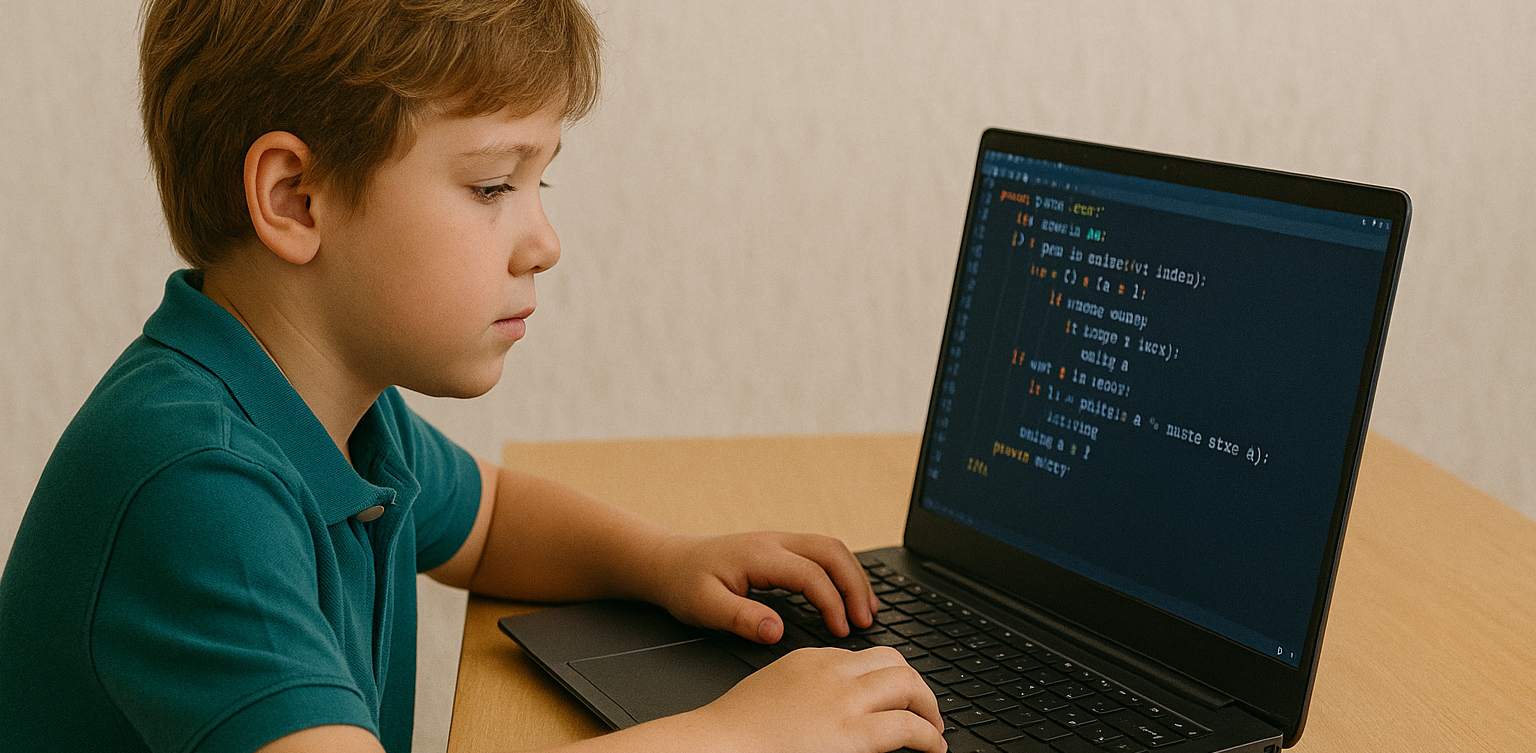
Aside from professional help, children can benefit from positive activities that improve focus, confidence, and problem-solving skills. One example is learning to code. Coding helps children develop logical thinking while having fun through creative projects.

Timedoor Academy offers engaging online coding courses designed for kids between the ages of 5 and 18. The programs are project-based and suitable for beginners. Try a free trial class at Timedoor Academy today!
Keep Reading

<strong>5 Best Free AI Apps for Kids That Make Learning Fun</strong>
5 Best Free AI Apps for Kids That Make Learning Fun
In today’s fast-paced digital world, free AI apps for kids have become an exciting solution for parents who want to support their children’s learning. Artificial Intelligence is no longer reserved for experts or professionals. Now, it’s available in engaging apps that help children read, solve problems, practice math, and boost creativity through fun and interactive tools. Still, many parents are unsure which free AI apps for kids are safe, educational, and truly effective. This article highlights five reliable AI-powered apps that are not only easy to use and child-friendly, but also completely free to access. 1. Khan Academy Kids Khan Academy Kids is one of the most widely recommended free AI apps for kids. It offers interactive lessons in reading, math, creativity, and emotional development. With the help of AI, the app personalizes content based on each child’s learning progress and preferences. The colorful design and engaging activities are tailored for children aged 2 to 8. Developed by education experts, the content is both fun and aligned with developmental stages. 2. Duolingo ABC Duolingo ABC is a simplified version of the main Duolingo language app, created specifically to help young learners develop reading skills. Using AI, the app adjusts lesson difficulty in real time and offers immediate feedback to children learning letters, words, and sounds. As one of the best free AI apps for kids focused on early literacy, Duolingo ABC is ad-free and safe for children when used with parental guidance. 3. Socratic by Google Socratic is an AI-powered educational tool from Google that helps children understand academic questions in a simple and visual way. Kids can take a photo of a homework question or type it in, and the app will provide clear answers and explanations. Ideal for children in elementary and middle school, Socratic supports learning in math, science, history, and language arts. It’s a smart choice among free AI apps for kids who need extra academic guidance and independence. 4. Quillionz Quillionz is a creative app that lets children generate quizzes and learning questions using AI. It encourages active engagement with educational material by allowing kids to become content creators, not just consumers. This app is especially helpful when reviewing lessons or preparing for schoolwork. Among the available free AI apps for kids, Quillionz stands out for promoting critical thinking and interactive learning at home or in the classroom. 5. Google Read Along Google Read Along is an app that supports children in learning to read out loud. It uses AI to listen to their voice, offering helpful corrections and encouragement. The app includes dozens of age-appropriate stories that children can explore at their own pace. It helps build reading confidence and fluency, making it one of the most effective free AI apps for kids who are just beginning their literacy journey. The progress tracking feature also lets parents follow along and celebrate their child’s improvement. Help Your Child Use Technology in a Positive Way Free AI apps for kids are a great way to introduce technology in a healthy, supportive way. But beyond using apps, it’s just as important to help children understand how technology works. Guiding them to learn and create with tech builds both digital awareness and real-life skills. One highly recommended path is coding. At Timedoor Academy, children can join age-appropriate coding classes that strengthen logical thinking, communication, and problem-solving through engaging, hands-on projects. Try a Free Coding Class at Timedoor Academy If you're curious how technology can help your child grow, try a free coding class at Timedoor Academy. It’s an opportunity for your child to turn screen time into learning time in a fun and supportive environment. With expert mentors and project-based lessons, coding becomes a favorite activity that sparks confidence and creativity. Book your free trial today and explore the possibilities together.
Beware of Social Media Platforms Children Should Avoid in 2025
In today’s digital age, social media is part of everyday life — even for children. Many kids have social media accounts before they even reach their teenage years, whether to play games, watch videos, or stay in touch with friends. But not all platforms are safe or appropriate. There are several social media platforms children should avoid due to the high risks they pose to their safety and psychological development. Why Should Children’s Access to Social Media Be Limited? Children are still in the process of developing cognitive and emotional maturity. They often don’t fully understand privacy boundaries, long-term consequences of online posts, or how to handle harmful digital interactions. Without proper supervision, children can be exposed to inappropriate content, online predators, cyberbullying, and even social media addiction. That’s why parents need to be aware of the social media platforms children should avoid, and replace them with safer, age-appropriate alternatives. List of Social Media Platforms Children Should Avoid Here are several platforms that are not recommended for children, especially without parental supervision: TikTok (without child restrictions)While TikTok offers “Family Pairing” and “Restricted Mode,” the reality is that explicit content, dangerous challenges, and toxic comments are still easily accessible. The platform’s algorithm quickly delivers viral content, some of which may not be suitable for kids. X (formerly Twitter)X is an open platform where anyone can post opinions and information, often without filters. Harmful content, hate speech, and misinformation are rampant. The DM (Direct Message) feature also allows strangers to contact users directly — a big risk for children. DiscordInitially created for gaming communities, Discord has expanded into all kinds of chat servers. Many are public and unmoderated, making it easy for children to encounter inappropriate language, adult content, or strangers with bad intentions. InstagramInstagram often pressures kids to focus on appearance, popularity, and curated lifestyles. Its comment and DM features can become avenues for cyberbullying or unhealthy social comparisons. FacebookThough no longer a favorite among younger users, Facebook is still widely used by adults. The platform exposes kids to hoaxes, extreme content in groups, and unwanted interactions, making it one of the social media platforms children should avoid. Recognizing which social media platforms children should avoid allows parents to take control of their child's digital environment and redirect their attention to safer spaces. Psychological and Social Risks Allowing children to use social media platforms children should avoid can lead to serious consequences. Children may experience low self-esteem from comparing themselves to others, feel pressure to maintain a certain online image, or face emotional distress from negative comments. Exposure to violent or sexual content can disrupt emotional growth and affect how children view relationships and self-worth. In the long run, it can lead to mental health issues and strained social development offline. How to Protect Children from Harmful Social Media Parents can take the following steps to protect children from risky digital exposure: Delay social media access until they are readyRespect the minimum age requirements of each platform. Make sure your child is mentally and emotionally ready before allowing them to join. Use parental control apps and settingsMany platforms offer tools that help monitor and limit what kids can access. Enable privacy and safety settings wherever possible. Check in on your child’s digital activity regularlyThis isn’t about spying but ensuring that your child’s online space is safe and healthy. Open up conversations about online content and friendshipsEncourage children to share what they see and experience online. Building trust is key to early problem detection. Introduce educational and kid-friendly platformsSafer alternatives like YouTube Kids or interactive learning platforms are better choices than social media platforms children should avoid. A Safer Digital Experience Starts with Awareness Understanding which social media platforms children should avoid is a crucial step in developing healthy digital habits. The online world can be fun and enriching — but only when children are equipped with the right tools, knowledge, and adult guidance. If you're looking for a way to introduce your child to the digital world safely and meaningfully, Timedoor Academy offers kid-friendly coding and digital literacy classes. You can also try a free trial class today and discover how digital learning can be both safe and fun from the start.
<strong>10 Best Sensory Play Ideas for Kids in 2025</strong>
10 Best Sensory Play Ideas for Kids in 2025
Sensory play for kids is a powerful way to support their motor, cognitive, and emotional development. Through hands-on sensory experiences, children explore textures, colors, sounds, and smells in a fun and educational way. Many parents are now looking for sensory activities that are easy to create at home using simple materials. In this article, you’ll discover 10 of the best sensory play ideas that are simple, effective, and perfect for kids aged 2 to 6. These activities help spark creativity while allowing children to engage with their surroundings using multiple senses. 10 Best Sensory Play Ideas for Kids in 2025 1. Dry and Wet Sand Play Fill a large container with dry sand on one side and damp sand on the other. Let children dig, scoop, and build. This classic activity provides textural contrast and is a great form of sensory play for kids. 2. Glitter Bottles Combine water, glitter, and a few drops of baby oil in a clear bottle. Shake and watch the glitter move slowly. This is a calming visual tool that supports focus and mindfulness. 3. Colored Flour Bin Mix flour with different food colorings. Kids can stir, shape, and play with the textures and colors. It's a simple way to introduce creativity and fine motor skills. 4. Texture Board Attach materials like velvet, cotton, bubble wrap, and sponge to a board. Kids can explore by touching and describing the textures. This supports descriptive language and sensory curiosity. 5. Frozen Fruit Cubes Freeze fruit pieces or colored water in small molds. Children can feel and taste the cubes as they melt. This is a cold, exciting, and safe sensory experience. 6. Soapy Swirl Mats Use a waterproof mat and add soapy water. Kids can use plastic tools to swirl, cut, and push bubbles around. This offers tactile fun with minimal mess. 7. Scented Dough Create homemade dough with added scents like vanilla or mint. Let kids shape the dough while enjoying the soothing smells. It’s one of the most engaging types of sensory play for kids. 8. Mystery Smell Boxes Fill small boxes with items like coffee grounds, orange peels, or herbs. Let kids sniff and guess what's inside. This builds their sense of smell and memory. 9. Magnetic Object Play Create a station with small metal objects and let children use magnets to move them. It combines touch with basic science exploration. 10. Vegetable Mud Mix vegetable peels with water and soil in a bin. Kids can squeeze and scoop the mixture. It’s messy, fun, and encourages curiosity through texture. Tips to Maximize Sensory Play Use a variety of sensesGreat sensory play for kids should involve at least two senses, such as sight and touch or smell and hearing. Keep it safeAlways use safe, non-toxic, and age-appropriate materials. Supervise activities closely, especially for toddlers. Encourage parent interactionJoin in the activities. Your presence helps guide the play while also strengthening your bond with your child. Keep it simple to cleanUse trays or bins to contain materials and make cleanup easy. Choose washable tools and surfaces. Adjust based on your child's reactionPay attention to what your child enjoys and be flexible. Not every texture will appeal to every child, and that’s perfectly normal. Why Sensory Play Supports Growth Sensory play for kids isn’t just fun, it supports language, motor skills, and early problem-solving. It allows children to explore, test, and learn about their environment in a hands-on way. Over time, this strengthens their ability to concentrate, follow instructions, and express themselves clearly. Blending Sensory with Digital Skills Once your child is engaged in sensory play for kids, it’s a great time to introduce digital learning tools like coding. At Timedoor Academy, kids learn programming in fun and interactive ways. Coding helps build logical thinking and creativity in a digital space. Sensory activities and digital literacy together create a well-rounded foundation for your child’s future. Try a free trial class at Timedoor Academy today!
float button