Jul 20, 2022

Coding Camp 2022 Awardee Announcement

Coding Camp 2022 Awardee Announcement image

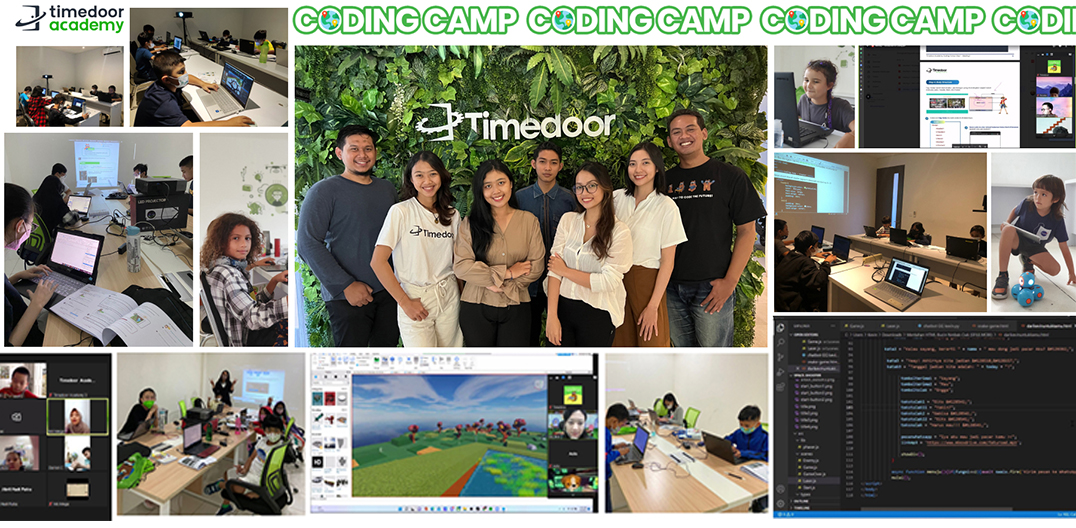
Timedoor Academy Coding Camp 2022 Batch 1 and Batch 2 have begun from 4 – 15 July 2022. With 200+ participants from our Online and Offline Branches in Jakarta and Bali, we offered a 5-day coding class with many subjects that students can choose from, such as Game Development, Website Development, Apps Development, Roblox, and Python.

Timedoor Academy sets the goal for students to be developers in 5 days by making projects using selected platforms and challenging them to be digital experts! As the goal sets, today, we will also announce the 3 best awardees from each category. The awardee consists of Best Project, Best Participant, and Most Enthusiastic Participant. Let’s take a look at the name of the Awardees below.

JUNIOR KODU BEGINNER
AWARDEE CATEGORY NAME
Best Project Diandra Ashura Kirani
Best Participant I Gede Kelvin Narendra Van Veggel
The Most Enthusiastic Participant Bernadette Abigail Kusuma
JUNIOR KODU ADVANCE
AWARDEE CATEGORY NAME
Best Project Kenzie Pranoto Ong
Best Participant Dhelfin Helmes
The Most Enthusiastic Participant Elroy Adrian Jose
KIDS CONSTRUCT BEGINNER + WEB
AWARDEE CATEGORY NAME
Best Project Asmara Stannard
Best Participant Benzema Malik Asyam
The Most Enthusiastic Participant Chee Yi
KIDS ROBLOX BEGINNER
AWARDEE CATEGORY NAME
Best Project Adli Rahmansah
Best Participant I Putu Daniswara Arta Surya
The Most Enthusiastic Participant Samy Ragheb Ahza
KIDS PYTHON
AWARDEE CATEGORY NAME
Best Project Jeslyn Felicia Tjandi
Best Participant Nayfa Krasnaya
The Most Enthusiastic Participant Joanne Faith Teguhsaputra
TEENS PHASER
AWARDEE CATEGORY NAME
Best Project Sandita Farid Akmal
Best Participant Ni Luh Putu Nadia Suwardewi Anjani
The Most Enthusiastic Participant Antonius Albertus Kevin Pratama
TEENS ROBLOX BEGINNER
AWARDEE CATEGORY NAME
Best Project Raquib Rafay Mahbeer
Best Participant Derren Jocevan
The Most Enthusiastic Participant Stanley Jonathan Indarto
TEENS WEB DEVELOPER
AWARDEE CATEGORY NAME
Best Project Raihan Radithya Yassar
Best Participant Ardhani Prayata Akmal
The Most Enthusiastic Participant Cornelius Rafanala Maheswara
TEENS APP DEVELOPER
AWARDEE CATEGORY NAME
Best Project Ngurah Danuh Putra
Best Participant Kezia Annabell Sugiarto
The Most Enthusiastic Participant Thio James Rakshita

All Awardees will get an exclusive medal and t-shirt from Timedoor Academy. Please send your address to admin for shipping.

Keep Reading

Fun Ways to Help Kids Learn Math In 2025: Tips and Trick
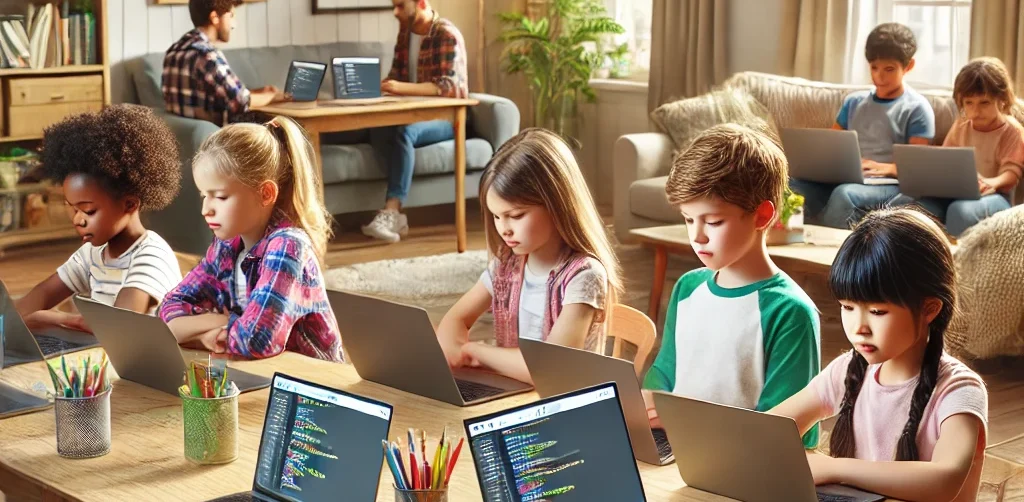
For many kids, math can feel intimidating, boring, or just plain confusing. But with the right approach, it doesn’t have to be that way. When math is taught in a way that connects with how kids think and play, it can become one of their favorite subjects. In this article, we’ll explore fun ways to help kids learn math that you can try at home. These ideas are designed to build confidence, make learning enjoyable, and show kids that math is more than just numbers and formulas. Why Fun Matters in Learning Math Every child learns differently. Some understand best through visuals, while others learn by doing. Unfortunately, math is often taught through drills or worksheets that don’t speak to every child’s strengths. That’s why fun ways to help kids learn math are so important. When math is presented through games, stories, or real-life situations, it becomes more accessible and less stressful. It also helps kids build a positive attitude toward learning, especially for a subject that often gets a bad reputation. Turn Learning into Playtime One of the most effective ways to help children grasp math concepts is through play. When kids are having fun, they’re more likely to stay engaged and retain what they learn. Games like number bingo, card games with math challenges, or interactive apps make learning feel like part of everyday life. You don’t need expensive tools either. What matters most is creating a space where children feel excited, not pressured, to explore math. Simple Math Games to Try at Home Number Card ChallengeUse regular playing cards to practice addition or subtraction. Flip two cards and have your child call out the total. Make it a race to keep things fun. Hopscotch MathDraw a hopscotch board and add math problems to each square. Ask your child to solve the problem before hopping on. Math in the KitchenCooking is full of measurement and timing. Let your child help measure flour, count spoonfuls, or figure out how many cookies each person gets. Toy-Based CountingUse building blocks or toy cars to teach grouping, multiplication, or division. It’s especially helpful for visual learners. All these activities offer fun ways to help kids learn math without making it feel like a school assignment. Your Role as a Parent Many children struggle with math not because they can’t do it, but because they believe they can’t. That belief often comes from pressure, fear of mistakes, or a lack of confidence. As a parent, you can shift this mindset by encouraging effort and curiosity. Celebrate progress, no matter how small. With fun ways to help kids learn math, your support matters just as much as the method. Use Technology in a Positive Way Today’s technology offers tons of educational tools designed specifically for children. There are countless apps and websites that teach math through stories, games, and interactive challenges. Platforms like Timedoor Academy offer structured online classes that combine fun with effective learning. With the right tools, fun ways to help kids learn math become easier to find and apply in daily life. Make Math Social Kids often enjoy learning more when they can do it with others. Consider setting up math challenges between siblings or friends. You can also try a family game night with a math twist. Learning with others creates a sense of excitement and reduces pressure. It’s another fun way to help kids learn math while also building teamwork and communication skills. Make Math Part of Everyday Life Math is everywhere. It’s in the money you use at the store, the recipe you follow for dinner, and the clock you check every morning. Involving your child in these daily tasks can make math feel useful and natural. Let your child count change, estimate grocery costs, or track time before bedtime. When kids see math in action, they understand that it's a skill, not just a subject. Let Kids Find What Works for Them There is no one-size-fits-all method in learning. Some kids love singing math songs, while others enjoy solving puzzles. The key is to let your child explore different ways and figure out what helps them feel most confident. Fun ways to help kids learn math often come from trial and error. Give them room to experiment, and be there to cheer them on throughout the process. Make Learning Math Fun with Timedoor Academy If you're looking for guided, interactive math learning that your child will actually enjoy, Timedoor Academy offers online classes designed especially for kids. The lessons are built around engaging activities that teach core math skills in fun and creative ways. Try a free class today at Timedoor Academy and help your child discover fun ways to learn math at home with confidence and joy.
Winners’ Announcement of Bootcamp December 2024
Timedoor Academy BootCamp 2024 was held from December 9 to 27, 2024, with over 200 participants from both Online and Offline classes across Indonesia. This year, we also launched two exciting new programs: Kids Machine Learning and Entrepreneurship, which generated even more excitement among our students. Timedoor Academy offers a dynamic 5-day BootCamp, featuring various programs that allow students to choose based on their interests. The Coding Camp includes a wide range of courses such as Game Development, Website Development, Python Development, Roblox Development, Artificial Intelligence, and Internet of Things (IoT). Meanwhile, our Design Camp focuses on nurturing students’ creativity through programs like Animation Creation, Branding Design, UI/UX Design, and Comic Making. At Timedoor Academy, we aim to help students become skilled programmers, designers, and comic artists in just 5 days by challenging them to create top-tier projects using cutting-edge platforms. This experience equips them to become digital experts ready to tackle the challenges of today and tomorrow! Today, we’re excited to announce the top award recipients from each program category. The award winners are recognized for their Best Project and Best Participant achievements. Check out the list of winners below! JUNIOR ANIMATOR CATEGORY PARTICIPANT’S NAME BRANCH Best Project Malik Akbar Pahlevi Cimanggu, Bogor Best Participant Made Indah Widyasari Renon JUNIOR 3D GAME CATEGORY PARTICIPANT’S NAME BRANCH Best Project Ibra Maimun Medan Best Participant Azfar Milo Respati Gatsu JUNIOR CONSTRUCT CATEGORY PARTICIPANT’S NAME BRANCH Best Project Randall Elmer Keeley Sanjaya Citraland Best Participant Brigita Clarisa Kanaya Bandaso Cikarang KIDS CONSTRUCT BEGINNER + WEBSITE CATEGORY PARTICIPANT’S NAME BRANCH Best Project Muhammad Iqbal Rachman Jambi Best Participant M.Abizar Maimun Medan KIDS MACHINE LEARNING CATEGORY PARTICIPANT’S NAME BRANCH Best Project Nabila Syahquita Pontianak Best Participant I Gede Agasthya Putra Darmawan Gatsu KIDS ANDROID APP DEVELOPER CATEGORY PARTICIPANT’S NAME BRANCH Best Project Raisa Raya Sabriya Jambi Best Participant Fatih Rizqi Mubarok Jambi KIDS ROBLOX CATEGORY PARTICIPANT’S NAME BRANCH Best Project Tyo Putra Daud Gorontalo Best Participant Natanael Halim Cikarang KIDS PYTHON CATEGORY PARTICIPANT’S NAME BRANCH Best Project Reinhart Amadeus Christianto Online ID Best Participant Olivia Kisya Mahendra Jimbaran KIDS AI DEVELOPER CATEGORY PARTICIPANT’S NAME BRANCH Best Project Jason Andrew Cikarang Best Participant Gabriel Prathama Wijaya Online ID TEENS PHASER CATEGORY PARTICIPANT’S NAME BRANCH Best Project Naufal Arfan Online ID Best Participant Muhammad Rizki Mahendra Online ID TEENS WEB DEVELOPER CATEGORY PARTICIPANT’S NAME BRANCH Best Project Arkaan Fatih Safaraz Pekanbaru Best Participant Faeyza Nur Huda Online ID TEENS ROBLOX CATEGORY PARTICIPANT’S NAME BRANCH Best Project Affa Danendra Sarwoko Pontianak Best Participant Muhammad Vedro Alfadillah Pontianak TEENS PYTHON CATEGORY PARTICIPANT’S NAME BRANCH Best Project Gregory Gaven Greenlake Best Participant Komang Gede Bayu Sefti Wiguna Renon TEENS APP DEV CATEGORY PARTICIPANT’S NAME BRANCH Best Project I Gusti Ayu Ari Cahya Widiadnyani Gatsu Best Participant Valkyrie Chan Online ID TEENS AI DEV CATEGORY PARTICIPANT’S NAME BRANCH Best Project Filigon Bryliant El Fikri Sirait Kelapa Gading Best Participant Aghniya Kelapa Gading  COMIC KIDS CATEGORY PARTICIPANT’S NAME BRANCH Best Project Razita Maryam Hernanda Online ID Best Participant Christopher Martin Susanto Online ID  COMIC TEENS CATEGORY PARTICIPANT’S NAME BRANCH Best Project Joanne Gracia Susanto Online ID Best Participant Ulinnuha Inma Ghozali Online ID  DESIGN BRANDING CATEGORY PARTICIPANT’S NAME BRANCH Best Project Kanaka Mahabarata Online ID Best Participant Anja Ruci Berlian Online ID  DESIGN ANIMATION CATEGORY PARTICIPANT’S NAME BRANCH Best Project Manuel Angelo Siburian Online ID Best Participant Justin Clarence Luckijaya Gatsu  DESIGN UI/UX WEB CATEGORY PARTICIPANT’S NAME BRANCH Best Project Jovan Wang Online ID Best Participant Jonathan Wang Online ID IOT KIDS & TEENS CATEGORY PARTICIPANT’S NAME BRANCH Best Project Kevin Hansel Wibowo Citraland Best Participant Kadek Nirwasita Danaswara Gatsu
9 Key Differences Between the 2013 Curriculum and the Merdeka Curriculum Today (2025 Update)
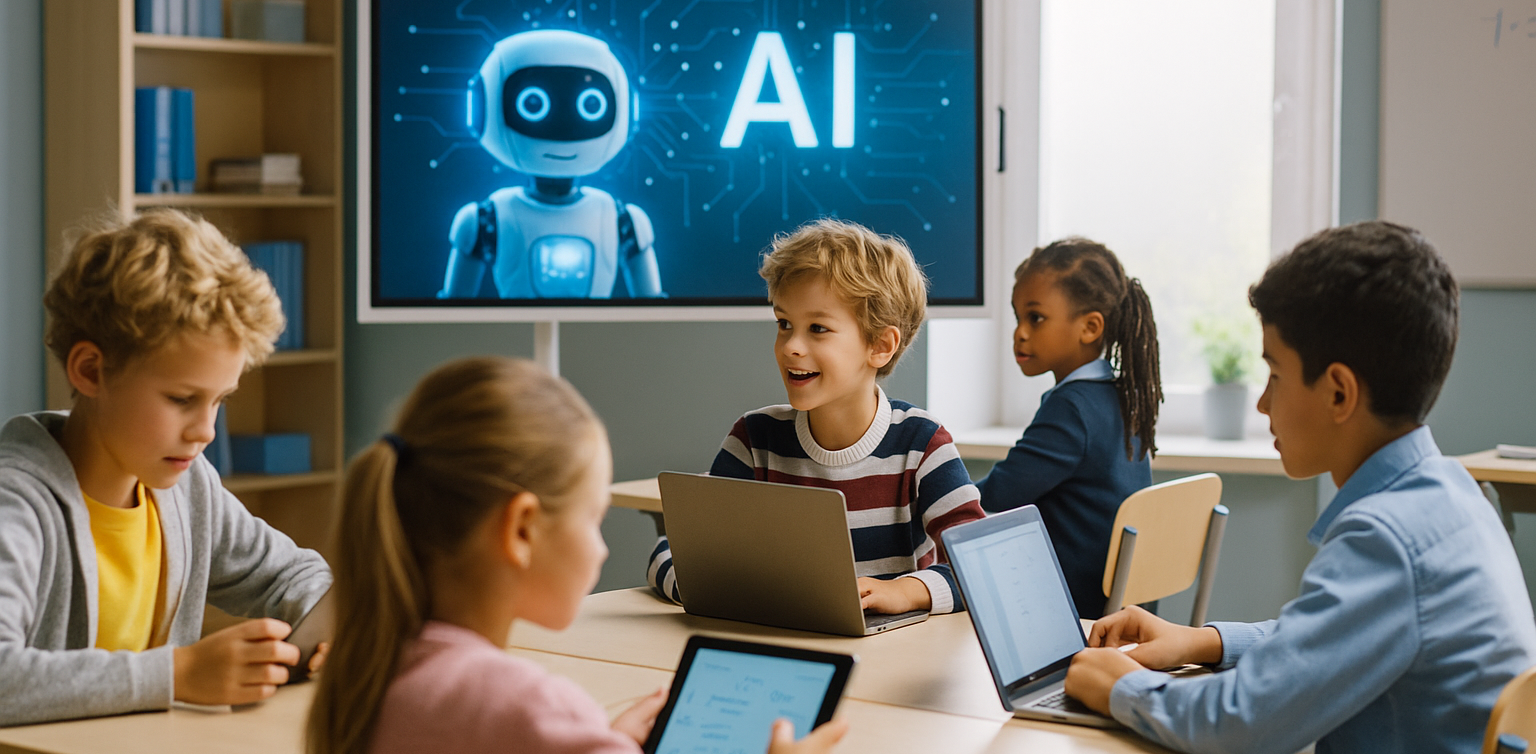
The differences between the 2013 curriculum and the Merdeka curriculum today have become an essential topic for parents to understand. This shift in educational approach is more than just a name change. It directly affects how children learn in school. With the right understanding, parents can better support their children’s learning process at home. The 2013 curriculum has been used for over a decade. However, ongoing evaluations showed a need for a more flexible and student-centered approach. This led to the introduction of the Merdeka curriculum as a major refresh to the national education system. So, what are the real differences between the 2013 curriculum and the Merdeka curriculum today? Below are nine key differences that parents need to know and how they impact children's education. 1. Curriculum Goals The 2013 curriculum aims to balance character, knowledge, and skills. In contrast, the Merdeka curriculum focuses more on developing each student's unique potential based on their interests and talents. This is one of the main differences between the 2013 curriculum and the Merdeka curriculum today in terms of how educational goals are designed and delivered in the classroom. 2. Learning Structure In the 2013 curriculum, all learning content is determined centrally, leaving teachers with limited flexibility. The Merdeka curriculum gives schools more freedom to adapt the structure based on local context and student needs. This flexibility is one of the most appreciated differences between the 2013 curriculum and the Merdeka curriculum today. 3. Learning Approach The 2013 curriculum uses a scientific approach that involves observation, questioning, data collection, analysis, and communication. Meanwhile, the Merdeka curriculum adopts a differentiated approach, allowing teachers to adjust teaching methods based on each student’s learning style and needs. 4. Lesson Content Another clear difference between the 2013 curriculum and the Merdeka curriculum today is the amount of learning material. The Merdeka curriculum simplifies content so students aren’t overwhelmed. It focuses on mastering key concepts instead of covering a large volume of topics, allowing for deeper understanding. 5. Assessment Method The 2013 curriculum relies heavily on administrative and quantitative assessments, which many teachers find complex and time-consuming. On the other hand, the Merdeka curriculum promotes formative assessments that help track a student’s progress and improve the learning process. 6. Role of Teachers Teachers in the 2013 curriculum function mainly as content deliverers. In the Merdeka curriculum, they take on the role of facilitators, guiding students through their learning journey. This shift in teaching roles is another major difference between the 2013 curriculum and the Merdeka curriculum today, reflecting a more student-centered learning experience. 7. Pancasila Student Profile Projects (P5) The 2013 curriculum didn’t include thematic projects. The Merdeka curriculum introduces P5 activities that help build student character through relevant themes like collaboration, creativity, and global diversity. This is one of the most visible differences between the 2013 curriculum and the Merdeka curriculum today in daily school activities. 8. Flexibility in Time and Learning Activities The 2013 curriculum tends to have rigid and packed schedules. In contrast, the Merdeka curriculum allows schools to organize learning time more flexibly. Lessons can happen outside the classroom through experiments, discussions, or even community-based learning. 9. Readiness for the Future The Merdeka curriculum is designed to meet 21st-century demands. It emphasizes critical thinking, communication, collaboration, and digital literacy. One of the most forward-looking differences between the 2013 curriculum and the Merdeka curriculum today is its focus on preparing students for technological and societal changes. The Role of Parents in the Merdeka Curriculum Era Parents are not just supporters but active partners in the Merdeka curriculum. Children need consistent support and involvement from home. One meaningful way to align with the spirit of this curriculum is by introducing your child to positive, skill-based activities like learning coding. Try a Free Coding Class at Timedoor Academy Timedoor Academy offers free trial coding classes specifically designed for kids based on their age and interests. These classes go beyond teaching technology. They help build logical thinking, creativity, and self-confidence. Each lesson is project-based, perfectly in line with the Merdeka curriculum. Kids will create games, animations, or basic apps while developing problem-solving skills and collaboration. With the support of experienced mentors, learning becomes fun, interactive, and meaningful. Let your child experience the joy of coding and build a stronger foundation for the future starting today.
float button