May 16, 2025

Fun and Easy Coding Lessons for Kids in 2025
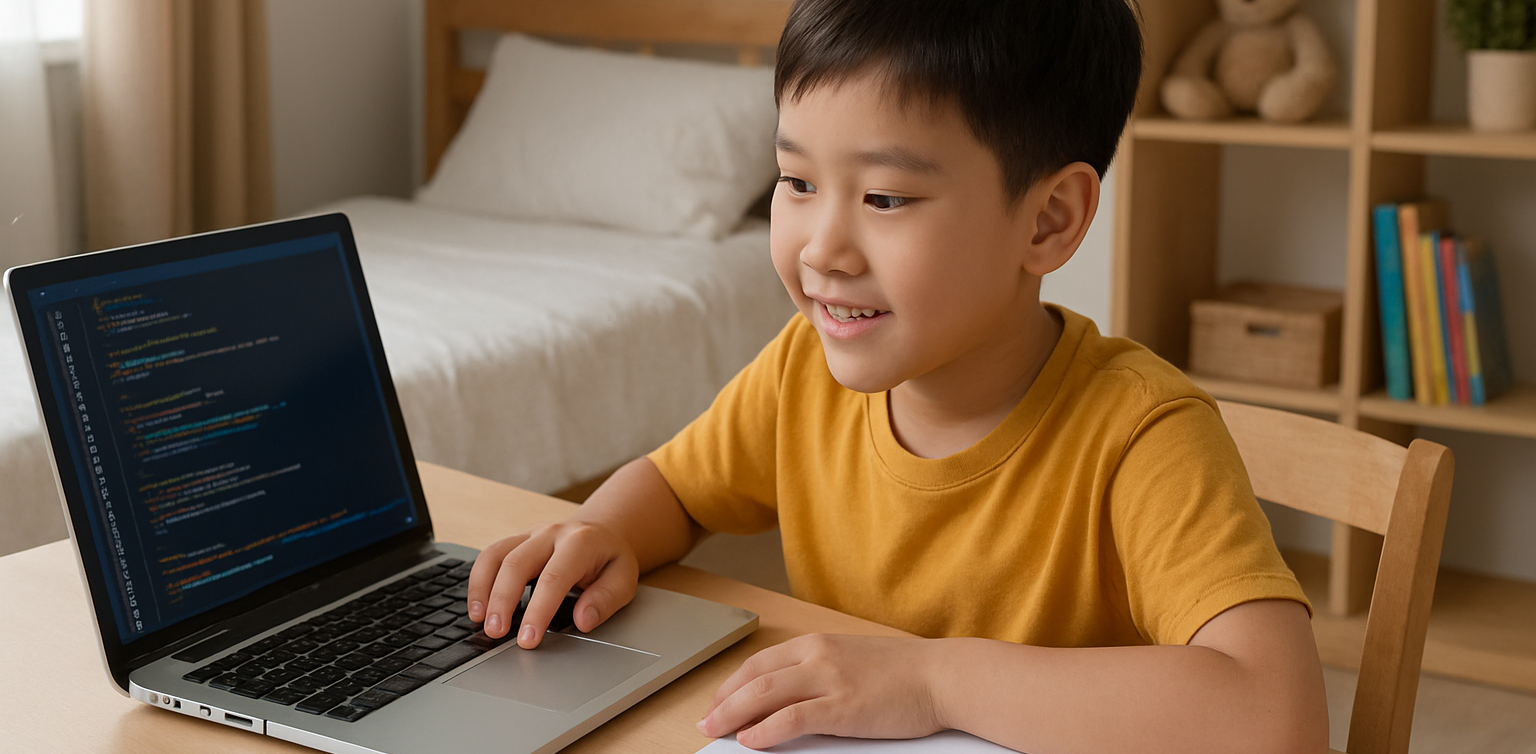
Fun and Easy Coding Lessons for Kids in 2025 image

In today’s fast-moving digital world, coding has become an essential skill for children. It’s not just about preparing them to become future programmers, but also about helping them build logic, improve critical thinking, and solve problems in a structured way. That’s why introducing coding lessons for kids at an early age is a smart move for both parents and educators.

Teaching coding to children, especially those in elementary school, requires a different approach than teaching older students or adults. The material must be adapted to their level of understanding and presented in a way that is fun and interactive, so they stay engaged and motivated.

So, what kind of coding lessons for kids are best suited for young learners? Let’s explore the options.

Why Kids Should Learn Coding

coding lessons for kids

Before diving into the types of coding lessons for kids, it’s important to understand why coding is valuable from a young age. Some of the key benefits include:

1. Strengthening logical thinking
Coding teaches kids how to think in steps and solve problems using logic. This helps develop structured and organized thought patterns.

2. Encouraging creativity
Through coding, children can build their own games, animations, and digital stories. It sparks imagination and creative expression.

3. Preparing for the digital future
As technology becomes more integrated into everyday life and future careers, understanding coding gives kids a head start and builds a strong foundation.

4. Building resilience
When something in their code doesn’t work, kids are encouraged to find solutions and try again. This helps develop patience and problem-solving skills.

Recommended Coding Lessons for Kids

There are many ways to introduce coding lessons for kids, depending on their age and learning style. Here are some great starting points:

1. Understanding Basic Logic and Algorithms
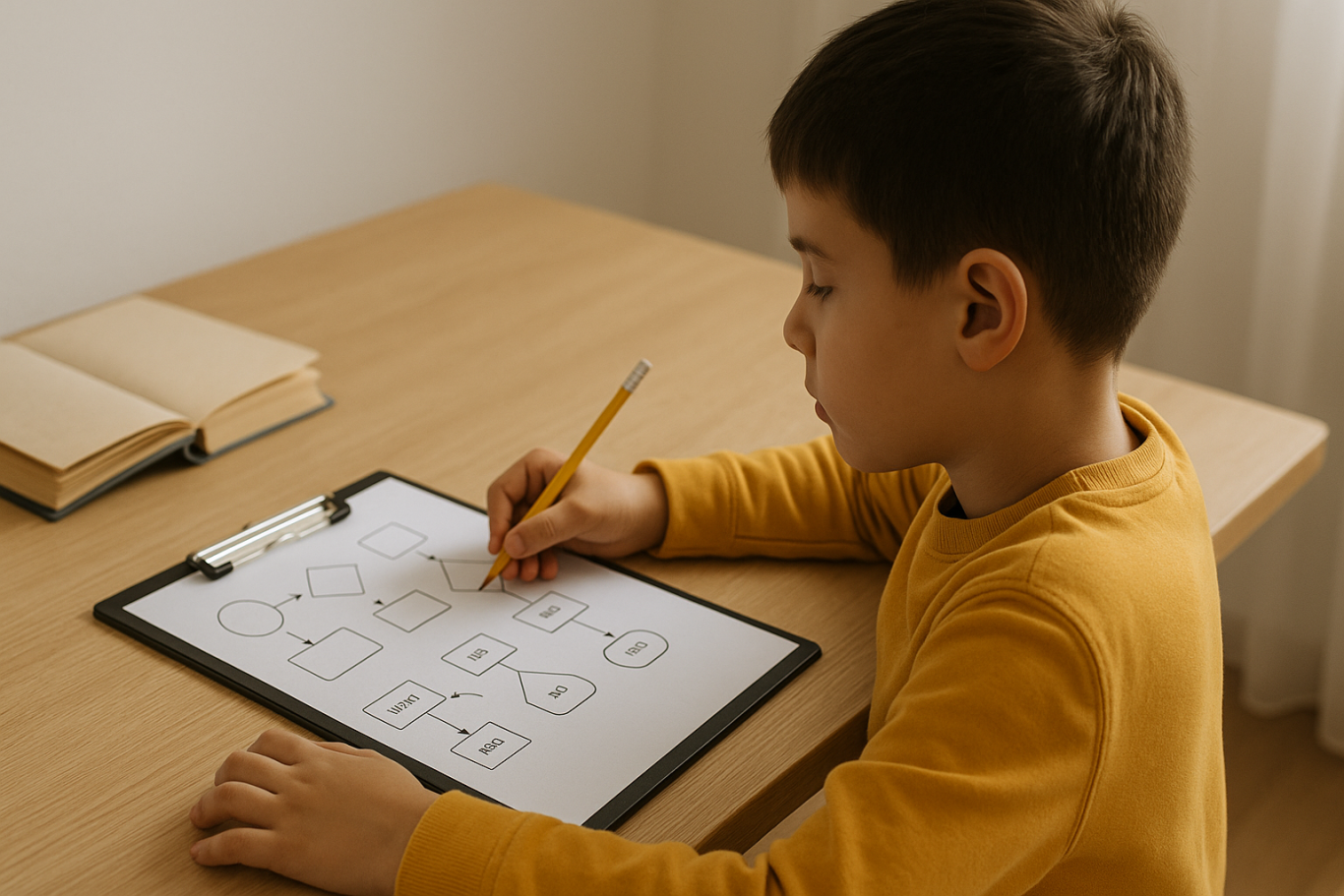
materi belajar coding anak sd

Before learning a programming language, kids need to grasp simple concepts like sequences, conditionals (if-then statements), and loops. These can be taught using hands-on activities like card games, unplugged coding puzzles, or guided problem-solving exercises.

2. Block-Based Programming
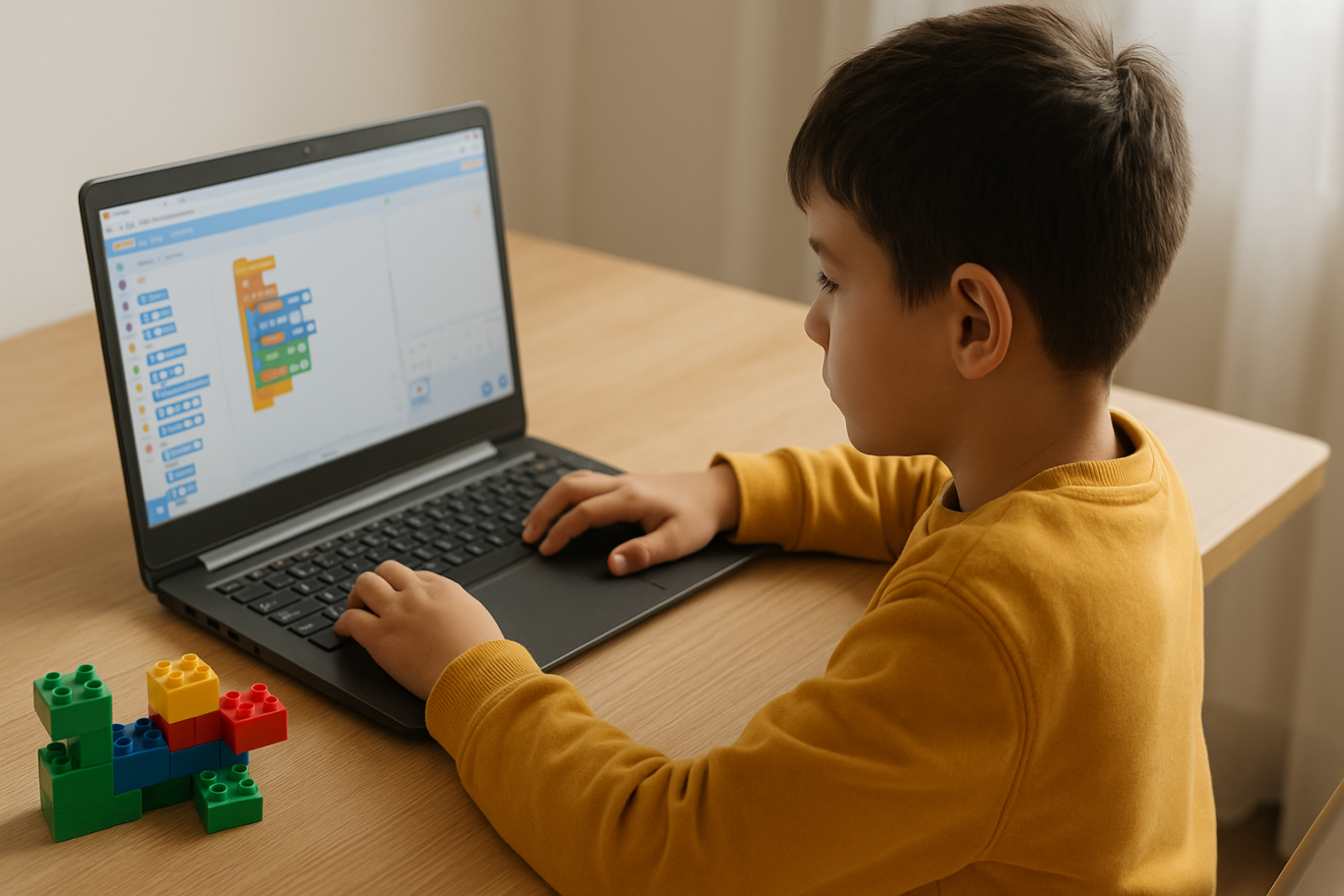
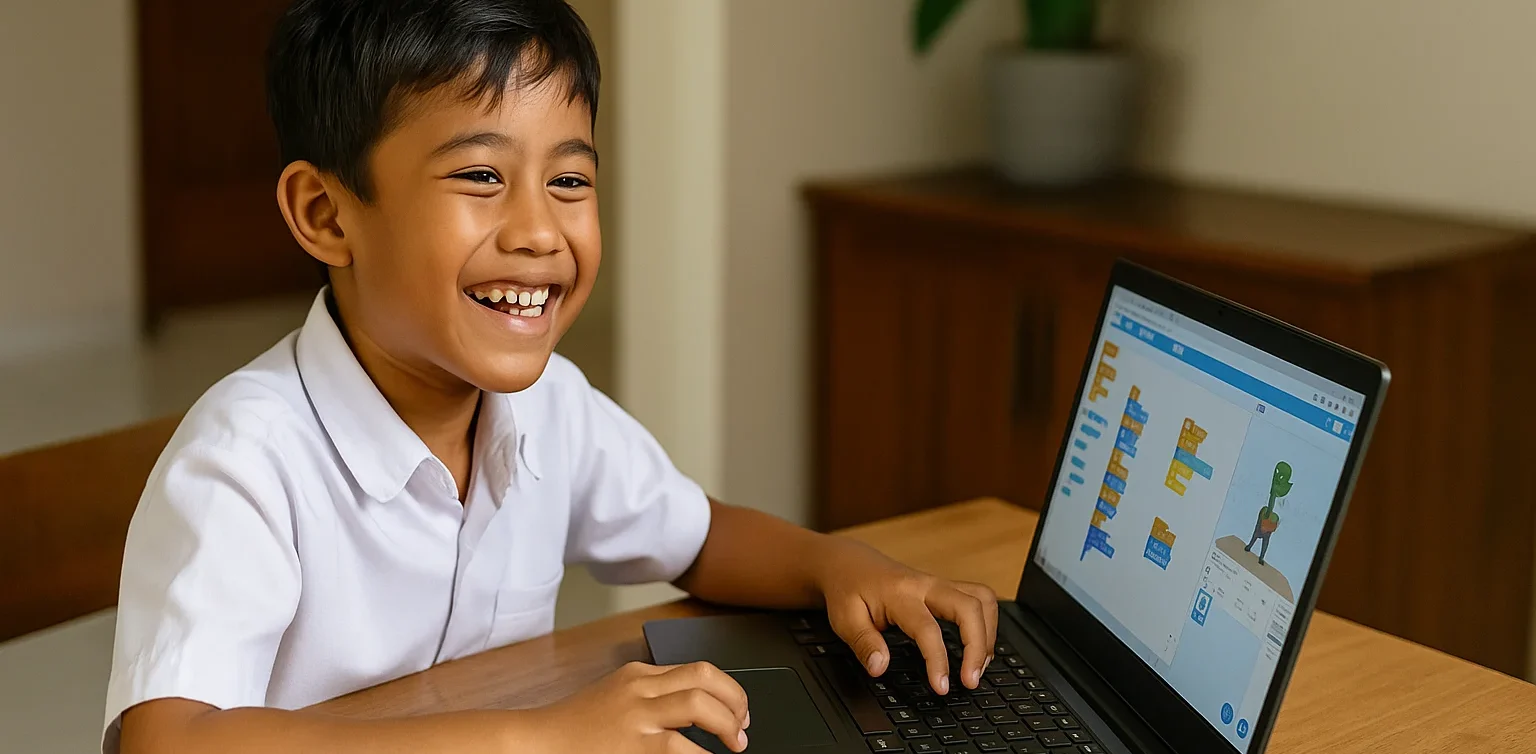
Block-based platforms are one of the most effective ways to start coding lessons for kids. Kids drag and drop visual blocks that represent code to complete tasks. Some popular platforms include:

  • Scratch: Designed for children to build animations, games, and interactive projects.
  • Code.org: Offers beginner-friendly lessons with characters and stories that keep kids engaged.
  • Blockly: Similar to Scratch and great for easing the transition into text-based programming.

These tools make learning to code intuitive, visual, and fun.

3. Beginner Programming Languages
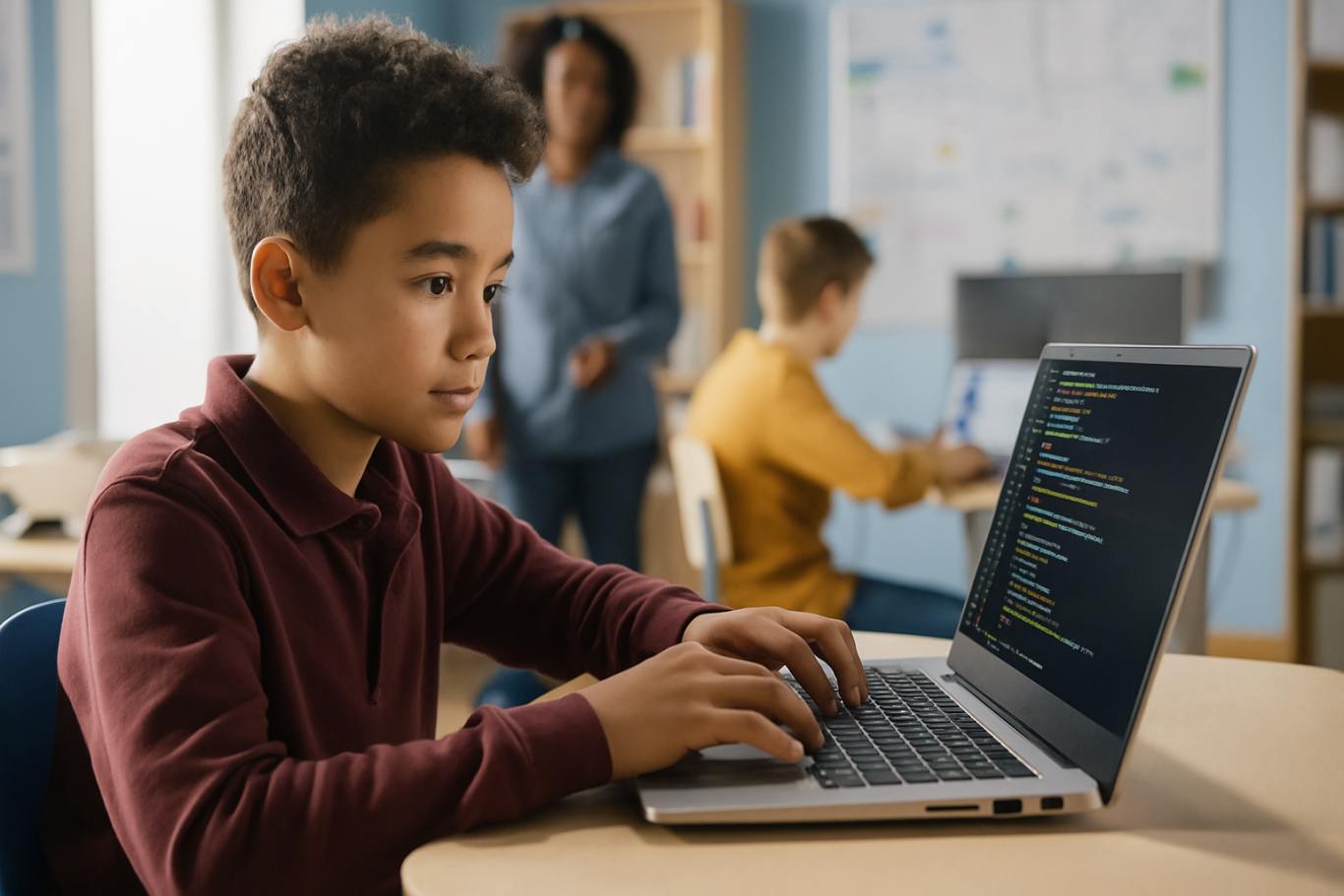
Once children are comfortable with block-based coding, they can begin to explore simple programming languages such as:

  • Python: Known for its readability and simplicity, perfect for beginners.
  • HTML & CSS: Great for kids interested in web design and layout.
  • Basic JavaScript: Helps kids understand interactivity and logic on websites.

These coding lessons for kids should be introduced slowly and supported by mentors who understand how to guide young learners.

4. Real-Life Coding Applications

To make learning more meaningful, kids can be shown how coding is used in real life. They can build educational games, simulate everyday systems like traffic lights, create interactive calendars, or program basic robots using tools like Micro:bit or LEGO Robotics. These hands-on applications show that coding can be both fun and useful.

Tips for Teaching Kids to Code

For coding lessons for kids to be effective, the teaching method is just as important as the content. Here are a few tips:

  • Use interactive visuals
    Children understand and retain more when they see how things work. Use videos, animations, and coding games.
  • Make learning fun
    Incorporate games, challenges, and reward systems to keep kids motivated and engaged.
  • Celebrate small wins
    Recognizing achievements helps build confidence and encourages progress.
  • Keep it gradual
    Avoid overwhelming kids by focusing on one concept at a time and allowing them to master it before moving on.

Start Early, Build Strong Foundations

The best coding lessons for kids are those that suit their developmental level, encourage creativity, and support essential skills like logical thinking and problem-solving. By starting early, children are not only introduced to the world of technology, but they also gain confidence in exploring and understanding how digital systems work around them.

Ingin tahu detail program? Image

Ingin tahu detail program?

If you’re looking for a program that makes coding accessible, fun, and age-appropriate, Timedoor Academy offers interactive lessons led by experienced instructors. Sign your child up for one of our engaging classes and take advantage of our free trial session. It’s the perfect way to introduce coding lessons for kids in a positive and meaningful way!
Keep Reading

Introducing AI Coding for Elementary School Kids: A Vital Skill in the Digital Age
In today’s digital era, children are growing up surrounded by technology. From smartphones and social media to online games, technology has become an inseparable part of daily life. As parents, it is important to ensure that our children are not just passive users but also understand how technology actually works. One of the best ways to achieve this is by introducing AI Coding for Elementary School Kids. Some parents may wonder whether concepts like artificial intelligence are too complex for children in elementary school. The truth is, they are not. Children have strong curiosity and quick learning abilities. With fun and age-appropriate teaching methods, AI coding can be introduced early, helping them develop logical and creative thinking skills. Why AI Coding for Elementary School Kids Matters Artificial intelligence is no longer just a trend but a cornerstone of the future workforce. Almost every industry, from healthcare and education to transportation and entertainment, is already leveraging AI. By introducing AI Coding for Elementary School Kids, parents are providing opportunities for their children to acquire skills that will be highly valuable in the years to come. Moreover, learning AI coding trains children to think systematically. They gain insight into how computer programs operate, how data is processed, and how machines can “learn” from patterns. These skills are not only relevant in the technology sector but also useful in solving everyday challenges. The Benefits of Learning AI Coding from a Young Age Boosting critical thinking skills Children learn to analyze problems and come up with effective solutions. Encouraging creativity Through AI Coding for Elementary School Kids, they can create simple projects such as a chatbot or an interactive game. Preparing for the future The future job market requires individuals who can innovate and create technology, not just use it. Building confidence When children successfully complete a coding project, they feel proud of their achievement and gain confidence to take on new challenges. How to Teach AI Coding for Elementary School Kids Teaching AI does not mean diving straight into complex theories. There are many fun and practical ways to introduce the subject: Using educational apps and platforms Many platforms are designed to introduce AI concepts through play. Children can learn while enjoying engaging activities. Relating projects to everyday life Kids can create simple programs such as color-picking tools or guessing games. This makes AI Coding for Elementary School Kids feel relevant to their world. Visual-based learning Since young children understand better through visuals, using block-based coding helps them grasp abstract concepts more easily. The Role of Parents in Supporting Their Children Parents play an essential role in guiding children through this journey. Spending time together, offering encouragement, and showing genuine interest in what they are learning can make a big difference. You do not need to be a tech expert to support your child. What matters most is giving them opportunities to explore and try new things. It is also important for parents to ensure balance. While AI Coding for Elementary School Kids can be exciting, children should still have plenty of time to play outdoors, socialize, and pursue other hobbies. A well-rounded approach supports both intellectual growth and emotional well-being. Timedoor Academy: The Right Place to Learn AI Coding For parents who want to provide the best learning environment, Timedoor Academy is a trusted choice. With interactive teaching methods designed specifically for children, Timedoor Academy makes coding fun and accessible, including lessons related to AI. Programs at Timedoor Academy are tailored for elementary school students, ensuring that AI coding is introduced in ways that are easy to understand. Experienced instructors guide children step by step, so they not only learn theory but also create enjoyable real-world projects. Register Now! Introducing AI Coding for Elementary School Kids is not as daunting as it may seem. In fact, the earlier children are introduced to these concepts, the more prepared they will be to face the future. With the right approach, AI coding can become an enjoyable and rewarding activity that supports both learning and creativity. If you want your child to experience the joy of learning coding in a fun, interactive, and future-oriented way, now is the perfect time to start. Sign up your child for a free trial at Timedoor Academy today and let them experience the excitement of learning AI coding from an early age!
<strong>Authoritarian Parenting vs Gentle Parenting: Weighing Parenting Styles for Children in 2025</strong>
Authoritarian Parenting vs Gentle Parenting: Weighing Parenting Styles for Children in 2025
As society evolves, so do parenting trends both in Indonesia and worldwide. While authoritarian parenting was once the standard, gentle parenting is now gaining popularity among many modern families. The debate about authoritarian parenting vs gentle parenting raises an important question: which approach is more effective for shaping a child's character in today’s digital age? This article explores the core differences between authoritarian parenting and gentle parenting, discusses the strengths and weaknesses of each, and offers guidance on how parents can choose or even blend these approaches to best suit their children and family needs. What is Authoritarian Parenting? Authoritarian parenting is rooted in traditional values where discipline, obedience, and clear hierarchy are emphasized within the family. Parents take on a leadership role that is to be respected, while children are expected to follow rules and instructions with minimal negotiation. This style is characterized by strict rules, consequences for disobedience, and one-way communication, where the child’s opinion often holds little weight. Key features include: Non-negotiable rules set by parents Punishments or consequences for breaking rules Limited space for children to express their opinions A strong focus on achievement, independence, and resilience Gentle Parenting: A Contrasting Approach On the other hand, gentle parenting centers on empathy, open communication, and emotional support. Parents act as guides and companions rather than strict authority figures. Gentle parenting encourages children to be confident, expressive, and emotionally intelligent. This approach still involves boundaries, but they are established through understanding and dialogue rather than rigid control. Consistency, emotional validation, and positive reinforcement are the pillars of gentle parenting. Strengths and Weaknesses of Authoritarian Parenting As a classic style, authoritarian parenting is still used by many because it is believed to foster discipline and independence. Children raised with this approach often adapt well to rules and cope under pressure. However, there are risks: this method can make children afraid to make their own decisions, less self-confident, and reluctant to express their feelings or opinions. Gentle parenting, meanwhile, is often seen as more suitable for today’s tech-savvy generation. However, if not balanced with clear boundaries, it can leave children uncertain about rules and appropriate behavior. Authoritarian Parenting in the Digital Age: Challenges and Adaptation In this era of instant information, social media, and rapid cultural shifts, authoritarian parenting faces new challenges. Today’s children are exposed to more ideas and influences than ever before. While discipline and boundaries remain essential, parents also need to update their communication style so that children feel heard and understood. A blended approach—combining the structure of authoritarian parenting with the empathy and communication of gentle parenting—can help children become both resilient and emotionally healthy. Tips for Balancing Parenting Styles Here are some tips for keeping parenting effective in the modern age: Create Rules Together: Involve your child in setting family rules and explain the reasons behind them. Be Consistent but Open: Stick to important rules but be willing to adapt as your child grows. Validate Emotions: Listen to your child’s feelings and help them understand their emotions, even when maintaining discipline. Encourage Two-Way Dialogue: Give space for your child to share thoughts and concerns, not just receive instructions. Lead by Example: Show discipline, honesty, and responsibility in your own actions. Preparing Children for the Future When adapted thoughtfully, authoritarian parenting can help children develop the discipline, responsibility, and independence they’ll need for success in school, friendships, and future careers. However, don’t forget to also nurture their emotional and creative sides for a well-rounded upbringing. Nurture Future Skills with Timedoor Academy No matter which parenting style you choose, giving your child valuable skills for the future is essential. Coding, for example, is now a foundation for many modern professions. At Timedoor Academy, children can learn coding in a fun and interactive way, building logic, creativity, and problem-solving skills. Timedoor Academy offers a free trial class so your child can experience coding before joining the regular program. With expert teachers and a child-friendly curriculum, your child will be ready to adapt and thrive in the world ahead. Start a new adventure with Timedoor Academy today—sign up your child and help open the door to a brighter, opportunity-filled future.!
Importance of Learning English for Elementary School Children
Importance of learning English is a doorway to understanding the world. In today’s era of globalization, mastering more than one language is no longer just an advantage but a necessity. One of the most essential languages to learn is English. Encouraging children at the elementary school level to start learning English brings countless benefits that will shape their future. In this article, we will explore the importance of learning English for young learners and how it supports their academic and social growth. Why Should Children Learn English Early? Children in elementary school are at the perfect age to absorb new knowledge quickly. Their brains are still very flexible, making it easier for them to pick up vocabulary, pronunciation, and grammar structures. By starting early, children build a strong foundation that will benefit their language development in the long term. This is one of the clearest reasons behind the importance of learning English for young learners. Access to a Wider World of Knowledge A significant portion of educational resources, such as textbooks, videos, and online materials, are available in English. When children are comfortable with English, they can access these resources more easily. They can read articles, watch educational videos, or participate in international programs that expand their horizons. This highlights the importance of learning English in broadening children’s access to knowledge. Building Self-Confidence Being able to communicate in English can boost a child’s confidence. For example, when they meet tourists or join competitions involving participants from different countries, their ability to speak English becomes a valuable skill. They feel more prepared and assured in international settings. This again demonstrates the importance of learning English in nurturing confident and independent individuals. Supporting Academic Success English proficiency is increasingly required in schools and universities, whether for exams, entrance tests, or scholarship opportunities. Children who start learning English in elementary school are better prepared to face these challenges. Furthermore, their performance in other subjects can also improve since many scientific and technical terms are presented in English. This proves the importance of learning English in supporting academic achievements. Preparing for Future Careers The job market is becoming more competitive, and many employers look for individuals who are fluent in English. Children who have learned English from an early age will stand out when they grow up. Whether applying to international companies or pursuing education abroad, strong English skills open countless doors. Here, the importance of learning English extends beyond school years to long-term career opportunities. Developing a Global Mindset Children who learn English are better able to connect with peers from diverse cultural backgrounds. This encourages them to respect differences and think with a global perspective. In today’s interconnected world, such an outlook is invaluable. Once again, we see the importance of learning English in helping children grow into globally minded citizens. How Can Parents Encourage English Learning? Parents play a key role in supporting children’s English learning journey. Some simple yet effective steps include: Watching movies or listening to songs in English together. Reading English storybooks before bedtime. Using interactive apps or online courses. Enrolling children in fun and engaging English classes. Consistency is key. With regular practice and encouragement, children will become more comfortable with English. These daily efforts make the importance of learning English more visible in their everyday lives. Building a Future-Ready Generation Learning English from a young age gives children lifelong benefits, from academic success and confidence to future career readiness. As parents, guiding children to start early is a wise investment in their future. By recognizing the importance of learning English, we are equipping them with the best tools to thrive in an ever-changing world. Would you like your child to become more confident and skilled in English? Enroll them in Timedoor Academy, where classes are designed to be interactive, fun, and effective. Sign up for a free trial today and see your child grow with Timedoor Academy!
float button