May 14, 2025

How to Deal with Child Tantrums: Smart Tips for Calm and Confident Parenting

How to Deal with Child Tantrums: Smart Tips for Calm and Confident Parenting image

For many parents, figuring out how to deal with child tantrums is one of the toughest parts of raising young kids. One moment they are fine, and the next, they are crying, shouting, or throwing things across the room. It is a stressful and exhausting situation that can easily test your patience.

That is why every parent needs to understand how to deal with child tantrums calmly and effectively. With the right approach, tantrums do not have to turn into a daily battle. In fact, they can be valuable opportunities for both children and parents to learn and grow together.

Why Do Children Have Tantrums?

how to deal with child tantrums

Before diving into how to deal with child tantrums, it is important to understand why they happen in the first place. Tantrums are a normal part of early childhood development, especially for children between the ages of one and four. At this stage, children are still learning how to express their feelings in words. When they feel tired, hungry, frustrated, or overwhelmed, they express those emotions through tantrums.

It does not mean they are being naughty or trying to manipulate you. They simply have not yet learned how to manage big emotions in a more appropriate way.

How to Deal with Child Tantrums Without Losing Your Cool

Here are some practical steps to help you manage tantrums and keep the situation under control:

1. Calm Yourself

The first and most important step in how to deal with child tantrums is managing your own emotions. Children often mirror their parents’ reactions. If you remain calm, you are setting an example of emotional control. If you panic or get angry, your child is likely to escalate even more.

2. Acknowledge Their Feelings

Instead of immediately trying to stop the outburst, take a moment to validate their emotions. Simple phrases like “You are upset because we cannot buy that toy, right?” help your child feel understood. This small step is a key part of how to deal with child tantrums effectively.

3. Redirect Their Attention

After acknowledging their feelings, gently guide your child toward another activity. Offer to play a game, read a book, or suggest something they enjoy. Redirecting attention is a practical and proven method in how to deal with child tantrums, especially with younger kids.

4. Be Consistent with Boundaries

Giving in to tantrums just to stop the noise might bring short-term relief but teaches the wrong lesson. Children will learn that tantrums are a way to get what they want. Staying consistent and firm with rules is essential when learning how to deal with child tantrums in a healthy and constructive way.

5. Teach Simple Breathing Techniques

Introducing basic breathing exercises can help children learn to self-regulate. Encourage them to take slow, deep breaths when they feel upset. This method is a valuable tool in how to deal with child tantrums and builds long-term emotional resilience.

Turning Tantrums into Positive Learning Opportunities
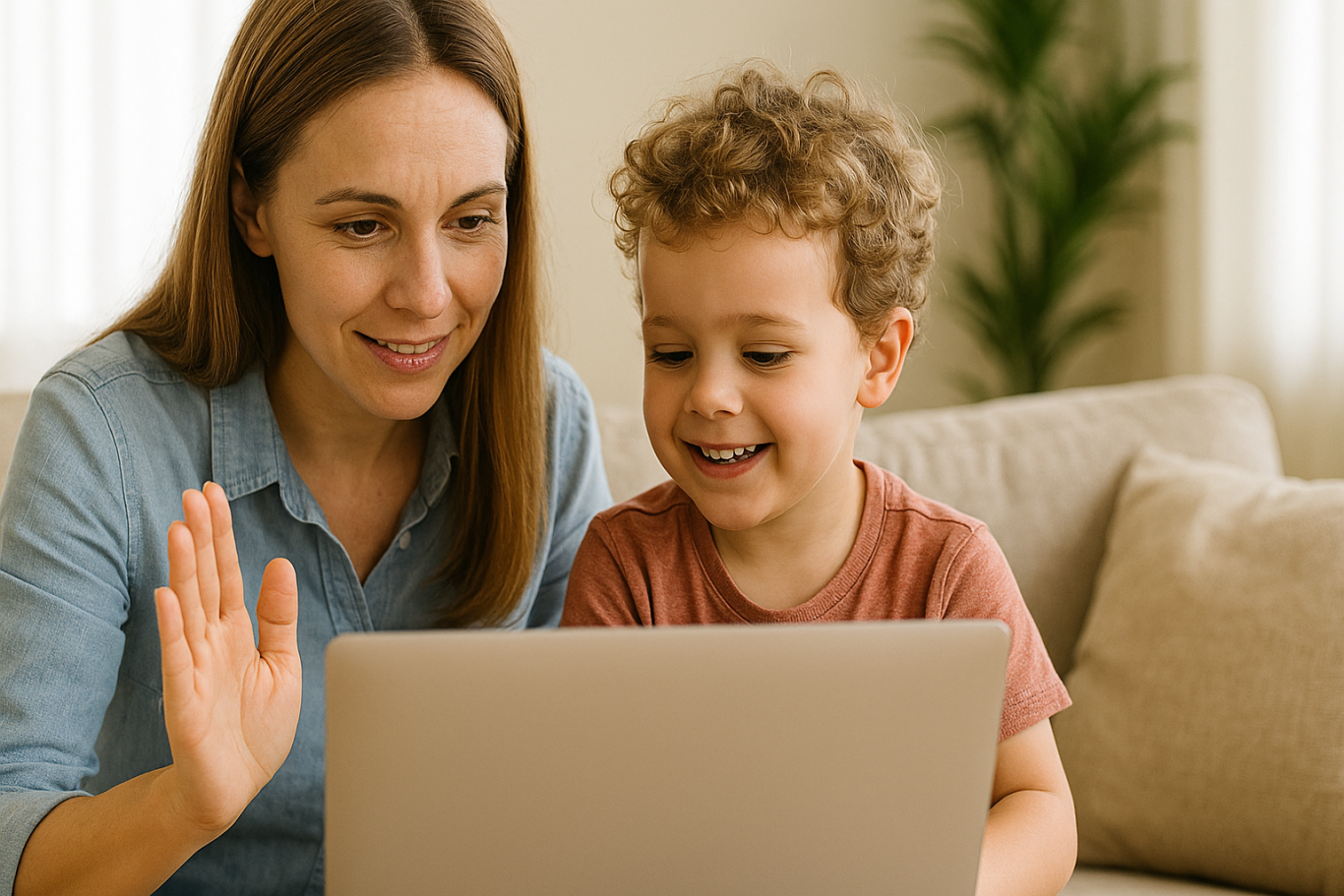
One effective way to support emotional growth is by giving children constructive outlets for their energy and feelings. For example, simple coding activities can help children develop patience, focus, and logical thinking. While coding might seem unrelated to tantrums, the process of breaking down problems step by step helps children build important self-regulation skills.

In many ways, teaching a child how to deal with frustration during coding challenges mirrors the lessons you want to teach when figuring out how to deal with child tantrums.

Patience and Consistency Are Key

Learning how to deal with child tantrums is not about finding an instant solution. Emotional regulation is a life skill that takes time and practice. The real key is showing patience and maintaining consistency in your responses. This approach helps children gradually learn how to manage their own emotions more effectively.

Tantrums are not a sign of failure. They are a chance to guide children toward healthier ways of expressing their feelings.

Supporting Emotional Growth Through Positive Activities

While tantrums can be exhausting, handling them with empathy and patience teaches children valuable emotional skills. Additionally, engaging kids in structured activities like coding provides another opportunity to practice focus, problem-solving, and perseverance.

Coding encourages children to approach challenges with a calm and logical mindset. These are the same qualities they need when learning how to deal with child tantrums in everyday life.

Ingin tahu detail program? Image

Ingin tahu detail program?

Curious how coding can help your child develop these skills? Timedoor Academy offers a free coding class designed especially for kids. The lessons are fun, interactive, and tailored to your child’s learning pace. Give your child a positive and engaging learning experience. Register now for a free trial class at Timedoor Academy!

Keep Reading

Online Homecshooling
Online Homeschooling for Junior High School Students: A Flexible and Personalized Education Solution
With the advancement of technology and changing lifestyles, an increasing number of parents are considering alternative education paths for their children. One option that is becoming more popular is online homeschooling, a flexible, personalized learning model that adheres to national curriculum standards. For Junior High School students, online homeschooling offers a learning solution that can be tailored to the child’s needs, whether in terms of time, learning style, or emotional well-being. Children can still receive a quality education without being tied to the conventional school system. In this article, we will explore the benefits of online homeschooling for junior high school students and highlight several trusted platforms that provide officially recognized and legal homeschooling programs. Benefits of Online Homeschooling for Junior High School Students Flexible Learning ScheduleStudents can learn at their own pace and during the times when they are most productive. This helps improve learning effectiveness and reduces stress. Safer Learning EnvironmentLearning from home provides a sense of security for children, especially if they have previously experienced social pressure or difficulty adjusting to a traditional school environment. Customized to InterestsHomeschooling programs allow for exploration. In addition to core subjects, children can explore coding, digital arts, foreign languages, or even business from an early age. Increased Parental InvolvementHomeschooling enables parents to play an active role in their children's learning process, not just as supervisors but also as companions in character development. Recommended International Online Homeschooling Platforms 1. Wolsey Hall Oxford Established in 1894, Wolsey Hall Oxford is a distinguished British online school offering IGCSE and A-level courses to homeschoolers in over 120 countries. It is a registered online school of Cambridge Assessment International Education, providing a comprehensive curriculum with personalized support. Key Features: Customized curriculum Interactive video lessons Guidance from professional teachers Examinations and progress reports 2. Connections Academy Based in the United States, Connections Academy offers full-time online schooling for grades K–12 through its International Connections Academy. It provides a U.S.-based curriculum with a flexible learning environment, catering to students worldwide. Key Features: Full-time online school Flexible, personalized learning Accredited curriculum Interactive lessons and online communities 3. Bridgeway Academy Bridgeway Academy offers customizable homeschooling programs with U.S. accreditation. It provides options for live online classes, self-paced courses, and textbook-based learning, making it suitable for international families seeking a flexible educational experience. Key Features U.S. accredited programs Live online classes Self-paced and textbook-based learning Flexible schedule Cambridge Home School Cambridge Home School provides online education based on the British curriculum, offering courses from Primary Prep to Sixth Form College. Renowned for high academic standards and personalized learning experiences, it caters to students aged 7–19. Key Features: British curriculum High academic standards Personalized learning Online classes for students aged 7–19 Tips for Choosing the Best Online Homeschooling Program Check AccreditationEnsure that the program is officially accredited, offering a valid certificate or diploma recognized by the respective education authorities. Evaluate the Learning MethodChoose a program that fits your child’s learning style. Whether they prefer structured lessons or more flexible, self-paced learning, find the right approach for them. Consider Additional FeaturesSome programs offer extra classes in coding, foreign languages, or special skills development. These could be beneficial for your child’s overall growth. Communication with TeachersMake sure the program provides active communication and engagement with teachers, not just assignments and assessments. Does Online Homeschooling Reduce Social Interaction? One of the primary concerns parents have is whether online homeschooling will limit their child’s social interaction. Many online homeschooling programs include social aspects such as: Online group discussions Interactive classes Collaborative projects Local homeschooler communities (both online and offline) With these features, students still have the opportunity to develop social skills and engage in teamwork. Enhancing Digital Skills with Extra Classes Academics alone are no longer enough in today’s world. Children today need to be equipped with digital skills such as: Coding Graphic design Animation Game programming One platform offering such extra classes is Timedoor Academy, which focuses on technology and coding education for Junior High School to High School students. If your child is already homeschooling and has a flexible schedule, taking coding classes can be a fun and beneficial way to fill their time while also building their digital future. Timedoor Academy also offers a free trial class for those who want their kids to have a seamless experience learning about IT! Learning from Home, Growing Freely! Online Homeschooling is no longer just a temporary solution but has become an effective, legal, and increasingly popular education alternative. By choosing the right program and being actively involved in your child’s learning journey, homeschooling from home can be a rewarding experience that helps build strong character. So, are you ready to explore online homeschooling for your child?
8 Best Tips for Kids Managing Homework and Extracurricular Activities in 2025
In today’s fast-paced world, children are often expected to juggle multiple responsibilities at once. From finishing school assignments to attending coding classes, music lessons, or sports practices, their days can feel packed and overwhelming. That’s why many parents are actively searching for tips for kids managing homework and extracurricular activities — to help their children grow, learn, and stay balanced without feeling drained. This article explores eight practical and realistic strategies to support children in managing their responsibilities while maintaining motivation, rest time, and joy.   8 Best Tips for Kids Managing Homework and Extracurricular Activities in 2025   1. Build a Clear Weekly Schedule One of the most effective tips for kids managing homework and extracurricular is to establish a consistent weekly routine. Use a visual planner or calendar that breaks down each day into school hours, homework time, extracurricular sessions, meals, breaks, and bedtime. Having a structured schedule makes children feel more secure and reduces last-minute stress. Make sure to leave enough flexible time for unexpected tasks or short rests.   2. Teach Prioritization Early Not everything needs to be done right away. Teaching children how to prioritize tasks is essential. Sit down together weekly and look at upcoming deadlines, tests, and activity schedules. Help them break bigger projects into smaller steps and start with subjects or assignments that are more challenging. This habit will help them build a sense of control and decision-making, which is key when applying any tips for kids managing homework and extracurricular successfully.   3. Follow the “One Thing at a Time” Rule Kids tend to get overwhelmed when they multitask. Help them learn how to give full attention to one task before moving on to the next. For example, encourage them to finish their science homework before moving on to practice guitar. This method improves focus, builds confidence in completing tasks, and reduces stress caused by scattered attention.   4. Allow Time for Downtime One of the most underrated tips for kids managing homework and extracurricular is giving them time to do nothing. Children need moments of rest, play, and quiet. Downtime supports mental health, creativity, and emotional regulation. Even 15 to 30 minutes a day of unstructured time, where kids can relax without gadgets or tasks, can make a huge difference in their energy and focus levels.   5. Stay Involved Without Micromanaging While independence is important, kids also need emotional support and light guidance. Ask how they’re feeling about their weekly schedule or whether something feels too much. Let them know it’s okay to say no when needed and to ask for help. Being present and responsive helps prevent burnout and builds trust. This emotional connection plays a major role in supporting any effort around tips for kids managing homework and extracurricular.   6. Set Healthy Tech Boundaries Technology can be helpful, but it can also become a distraction. Set clear boundaries for screen time during homework and extracurricular sessions. Use simple tools like timers or productivity apps to support focus. For online classes, make sure their space is quiet and free from distractions like phones or games. Creating a tech environment that supports learning helps improve both academic and extracurricular engagement.   7. Encourage Passion-Based Activities Not every extracurricular needs to be intense or competitive. Include at least one activity your child truly enjoys. Whether it’s drawing, gardening, building robots, or learning languages, fun-based learning adds variety and balance. Passion projects can keep kids motivated and remind them that learning isn’t only about tests and grades. This is a powerful part of long-term success when applying tips for kids managing homework and extracurricular.   8. Choose Supportive Learning Platforms Sometimes kids need extra support outside of school. That’s where programs like Timedoor Academy come in. Timedoor offers flexible online classes in subjects like coding, robotics, math, and digital creativity — all designed to fit into your child’s existing routine. By learning through a fun and structured platform, kids can explore their interests while still managing school tasks smoothly.   Helping Kids Thrive with Balance and Support At the core of all these tips for kids managing homework and extracurricular activities is the goal of balance. Children thrive when they feel supported, not pressured. They need space to learn, grow, and rest. With a realistic schedule, clear priorities, downtime, and the right learning tools, kids can become more confident and independent. Parents play a key role in guiding and cheering them on. If you're ready to help your child explore new skills while balancing their responsibilities, join a free trial class at Timedoor Academy today. Give your child a head start in coding, robotics, and digital creativity while learning at their own pace from the comfort of home.
Best Age for Kids to Use Laptops: What Age Can Kids Start Using Laptops for Learning?
Technology has brought many changes to education, including how children learn. Nowadays, laptops and tablets have become common learning tools. However, many parents still wonder: what is the best age for kids to use laptops, and at what age can kids start using laptops safely and effectively? This article provides a guide on the right age for children to start using laptops for learning, the benefits and challenges to consider, and tips to help ensure laptop use supports their development in the best way possible.   Why Is It Important to Consider Age When Letting Kids Use Laptops? Laptops and other digital devices make learning easier with wide access to information, interactive educational apps, and fast communication tools. However, early and unsupervised use of technology can pose risks like eye strain, posture problems, and screen dependency. That’s why parents need to know the best age for kids to use laptops so the benefits are maximized without compromising their health and social development. Choosing the right time also helps kids be mentally and cognitively ready to handle technology in a healthy way.   So, What Age Can Kids Start Using Laptops? There’s no strict rule because every child develops differently. But experts generally recommend: Under 2 years old: Avoid screen time including laptops and tablets, since brain development at this age depends heavily on direct physical and social interaction. Ages 2–5: Limit screen time to no more than 1 hour per day, and use devices only with educational content supervised by parents. 6 years and older: Kids can start using laptops for learning for longer periods, but with clear time limits and adult supervision. So, the age when kids can start freely using laptops for learning is usually around elementary school age—starting from 6 years old—with guidance and rules in place.   Benefits of Using Laptops for Kids’ Learning Using laptops appropriately by age and need offers many benefits, including: Access to Diverse Learning Resources: Kids can explore a variety of online sources like educational videos, e-books, and interactive apps. Development of Digital Skills: In today’s digital world, knowing how to use technology is a crucial skill that should be developed early. Boosting Creativity and Independence: Children can create digital projects like drawings, videos, or basic coding that stimulate creativity. Ease of Communication and Collaboration: Laptops enable kids to communicate easily with teachers and classmates, especially in remote learning.   Challenges and Risks of Laptop Use for Kids Despite the benefits, parents should be aware of some risks: Excessive Screen Time: Can cause eye fatigue, sleep disturbances, and other health issues. Poor Posture: Long use without ergonomic setups can lead to neck and back pain. Social and Emotional Issues: Dependence on devices may reduce social interaction and physical activity. Inappropriate Content: Kids might access unsuitable material without supervision.   Tips for Choosing the Best Age for Kids to Use Laptops Safely To ensure positive laptop use, consider these tips: Start Slowly and Gradually: Adjust laptop time based on your child’s age and focus capacity. Monitor and Supervise: Always stay with your child while they use the laptop, especially when young. Choose Educational Content: Make sure apps and websites are age-appropriate and support learning. Set Up Proper Posture and Breaks: Provide ergonomic seating and regular rest periods. Set Rules and Schedules: Agree on time limits to prevent overuse.   Supporting Your Child’s Tech Learning Journey To help your child use technology effectively and appropriately, besides knowing the best age for kids to use laptops, it’s important to introduce fun and age-appropriate coding lessons. Timedoor Academy offers specially designed coding programs for kids, with easy-to-understand and engaging methods. Don’t hesitate to try it out, because Timedoor Academy also provides free trial classes that let parents and children explore coding without pressure before committing fully. This is a great first step to support your child’s digital development for the future.   Best Age for Kids to Use Laptops and When It’s Appropriate Determining the best age for kids to use laptops and when they can safely start isn’t just about numbers, but also about the child’s mental, physical, and social readiness. Generally, elementary school age is an ideal time to begin using laptops as learning tools, with supervised and limited use. Healthy and purposeful laptop use opens up many learning opportunities and helps develop essential skills in the digital age. Therefore, parents should actively guide and regulate technology use so it supports their child’s overall growth.
float button