Sep 15, 2023

Free Coding Class for Children in Orphanage

Free Coding Class for Children in Orphanage image

Introduction

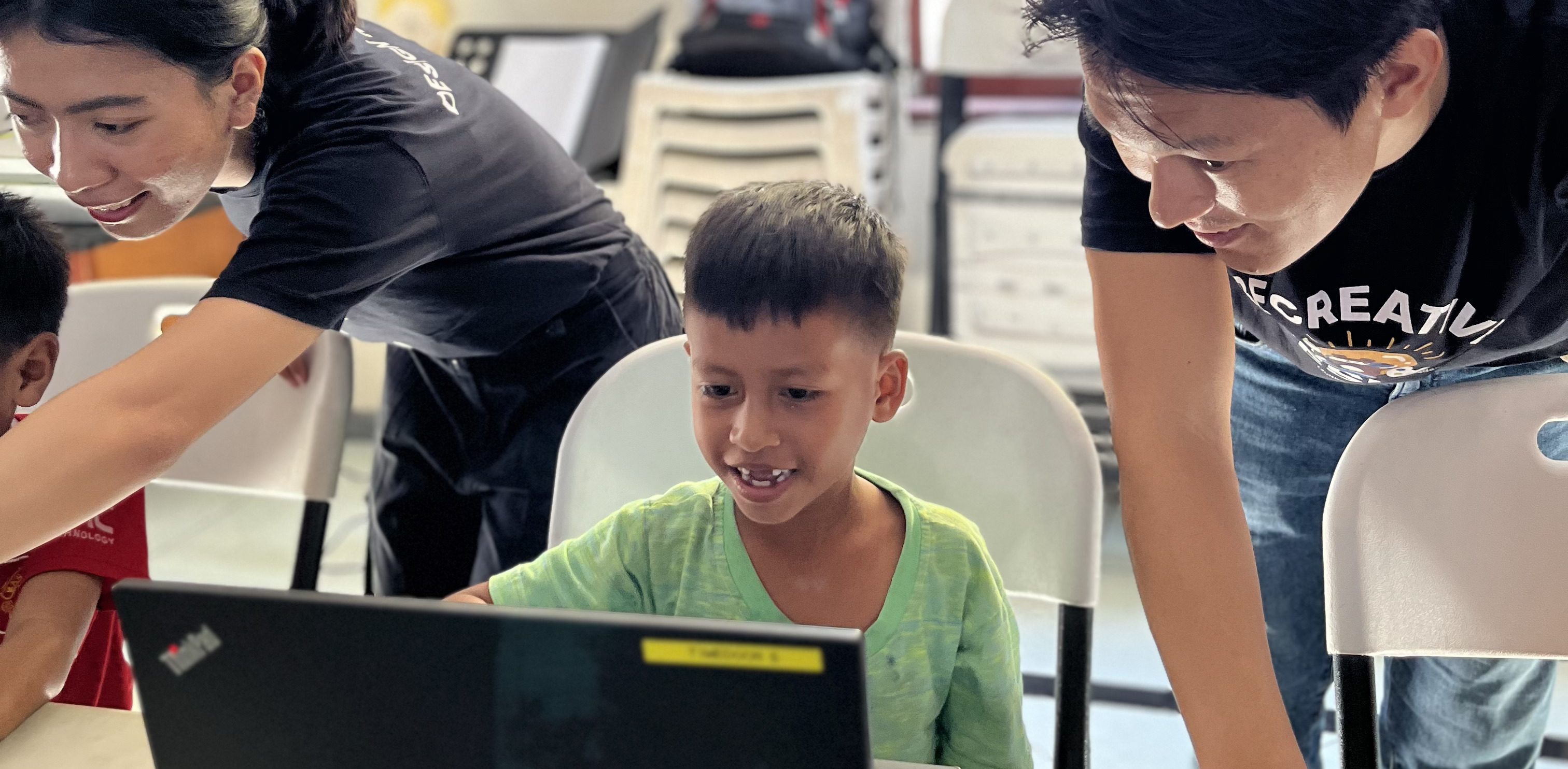
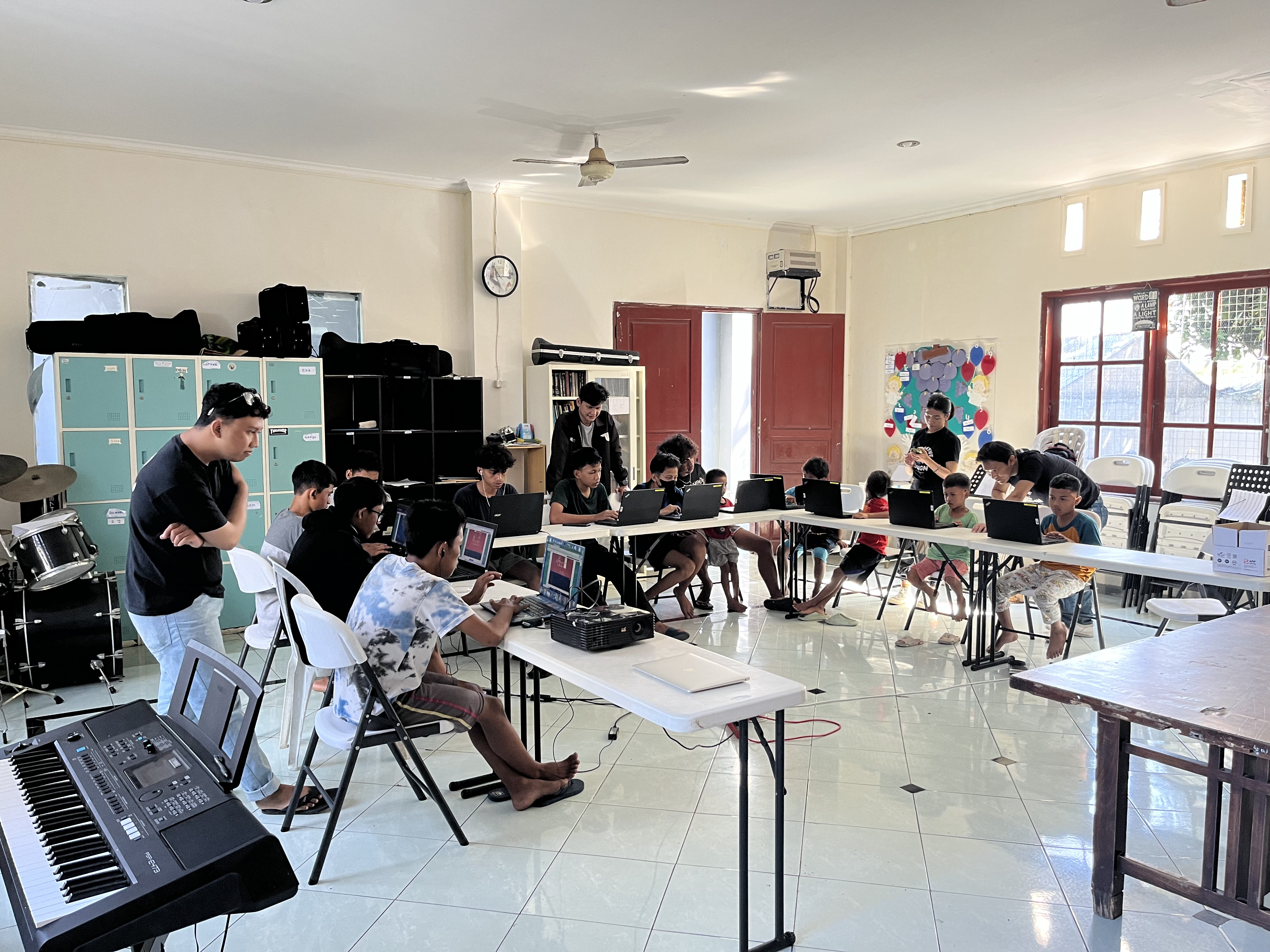
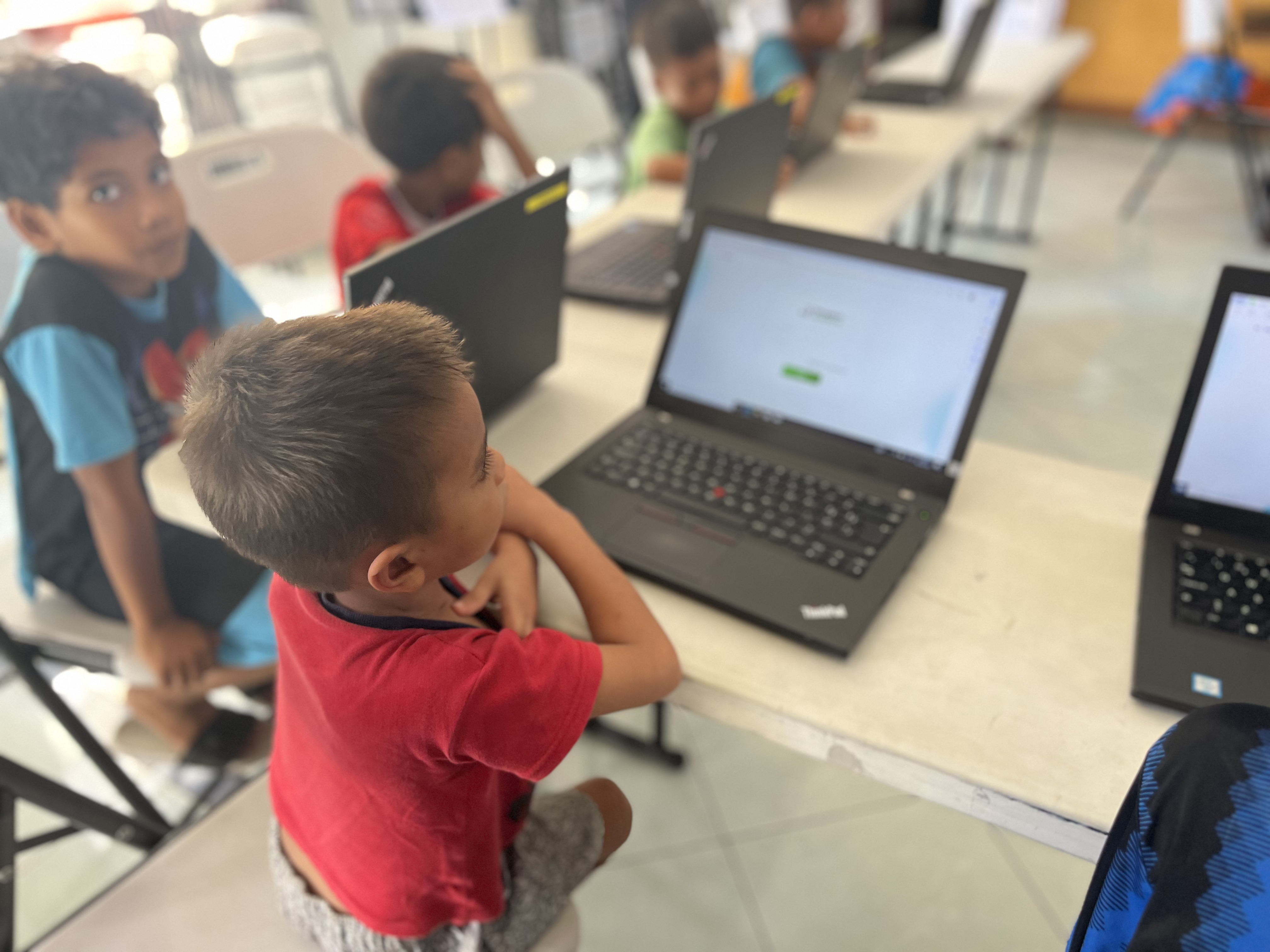
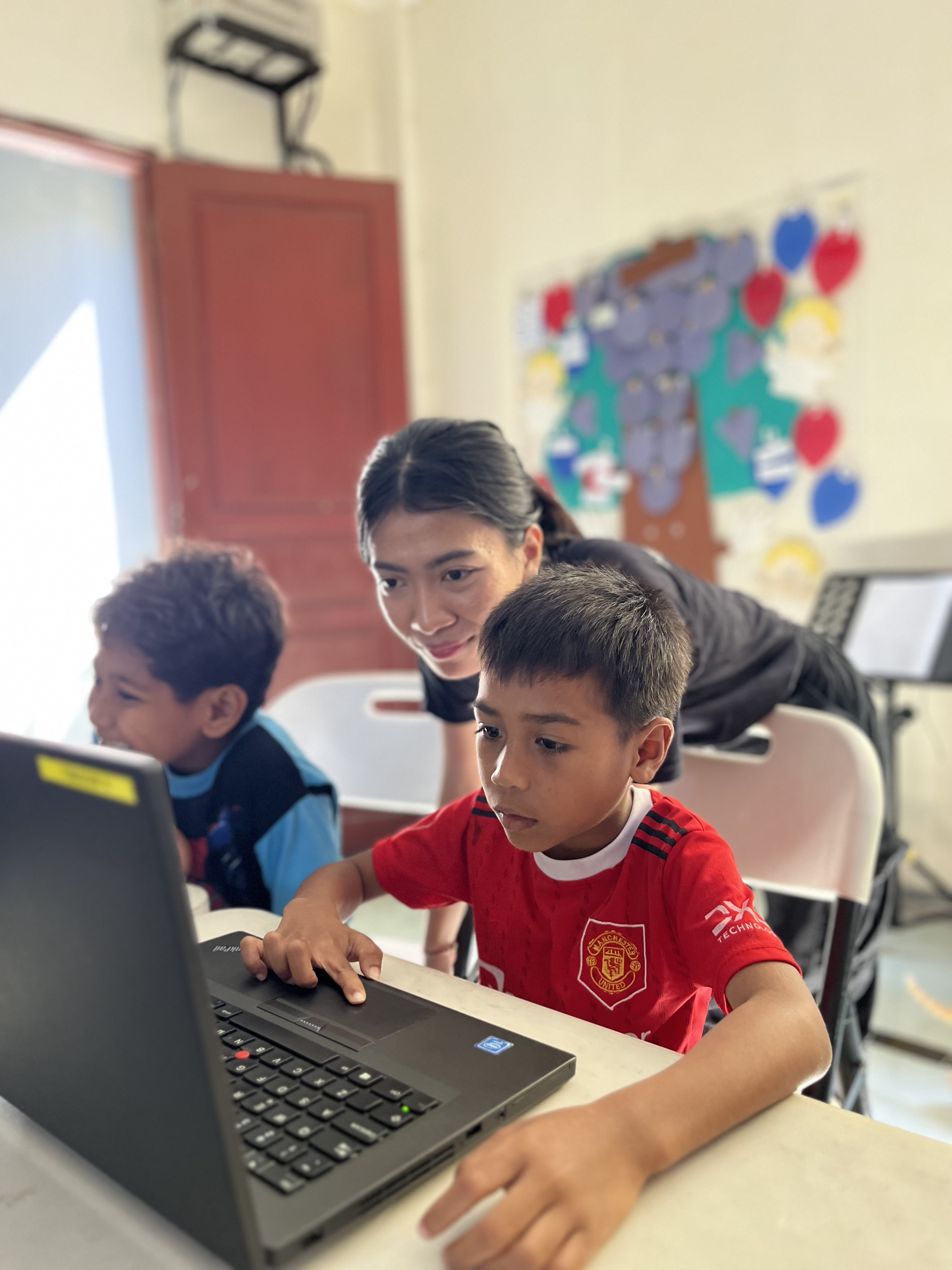
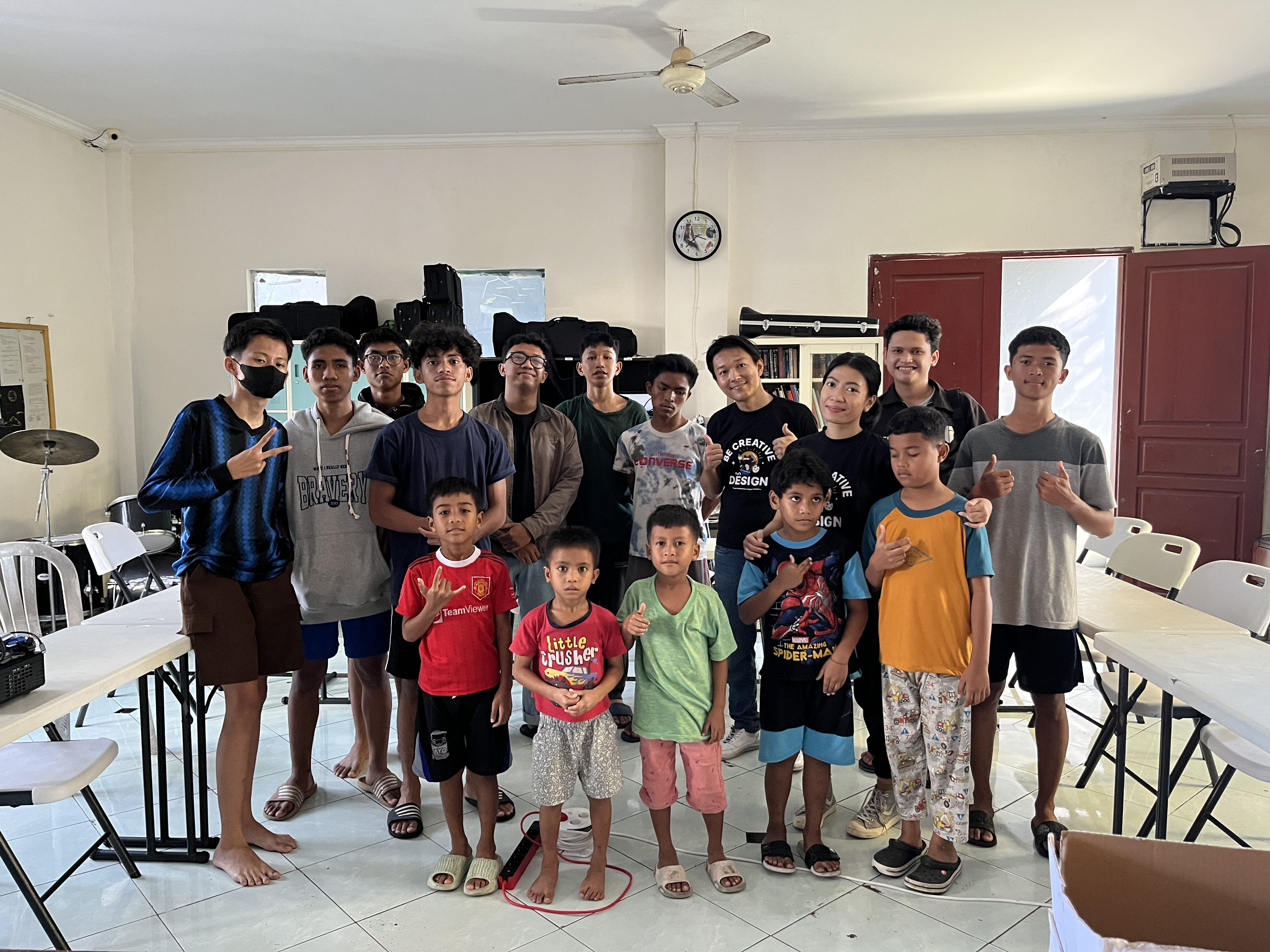
Timedoor Academy has proudly launched a free educational initiative dedicated to the children of the “Rumah Impian” orphanage. As part of our commitment to fostering skill development in underserved communities, we are offering comprehensive coding classes at no cost. Additionally, to facilitate this learning, we are providing them with computers. This endeavor aims to equip these children with valuable digital skills, paving the way for broader job opportunities in their future.


Background

Children in orphanages don’t have parents and live a limited simple life. They often face limited money and opportunities. Upon completing their high schooling, they might encounter challenges in securing rewarding employment due to a lack of specialized skills, knowledge, and educational background.


Message from CEO

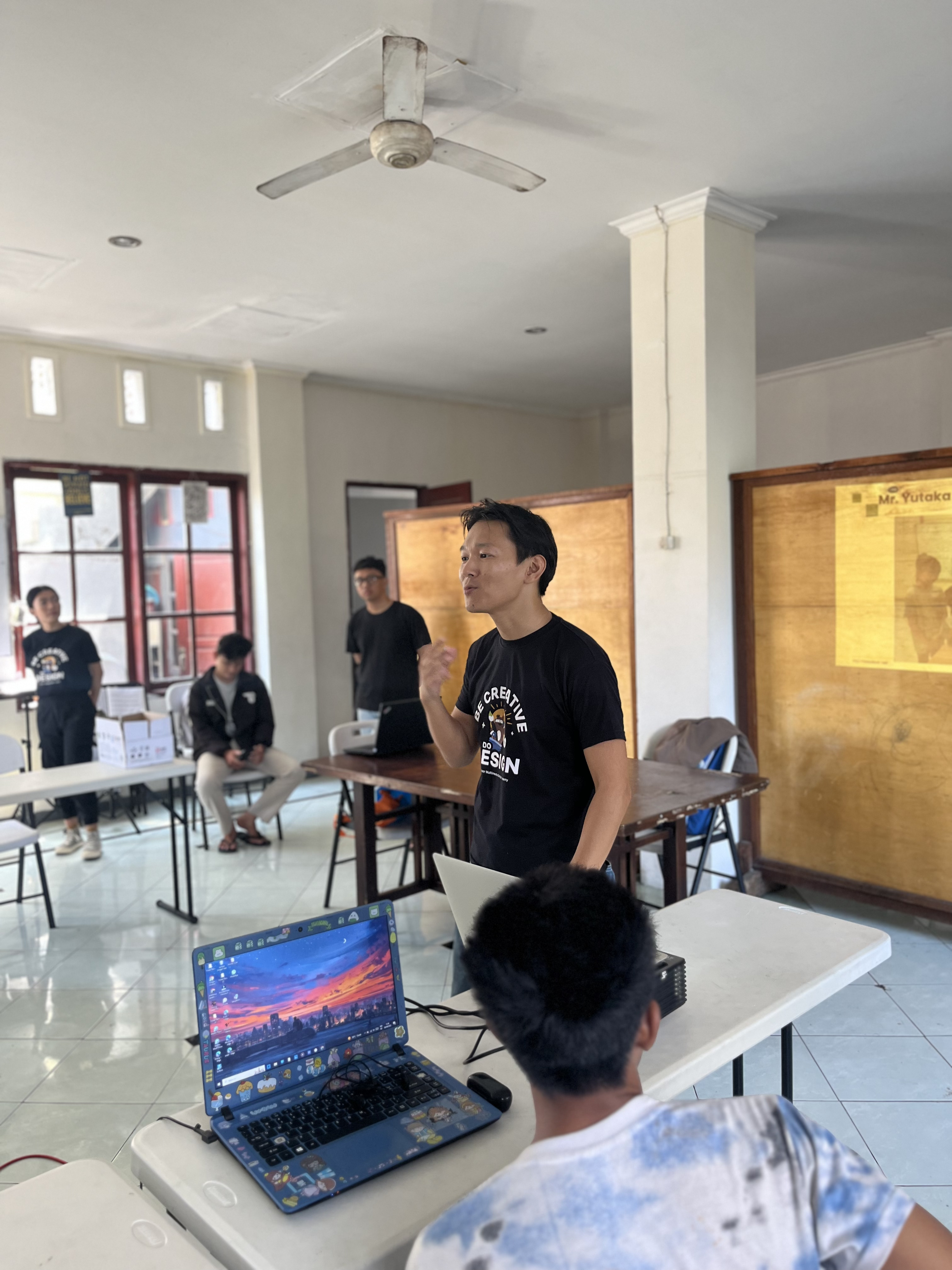
Our CEO, Yutaka, emphasizes the significance of coding in today’s world. He mentions, “Coding is everywhere in your game, mobile app, etc. it’s a tool for innovation and creativity.” Yutaka envisions these children not just as users of digital platforms but as creators, shaping their own destinies. He believes this skill will help them get better jobs in the future.


What We Teach

Children and teenagers, ranging from 6 to 19 years, are all welcome in our program. We have tailored coding lessons suitable for each age bracket. The younger ones might begin with foundational coding concepts through engaging game activities, while the older participants delve into more advanced tasks like text coding game development. The enthusiasm and rapid progress of these students have been truly inspiring.


What’s Next?

Our dedication to this cause doesn’t end with a few lessons. We intend to consistently teach and mentor these children on a weekly basis. By instilling coding knowledge now, we are optimistic about expanding their future employment prospects.

Through this initiative, Timedoor Academy aims to empower these children, ensuring they have the skills and confidence to navigate the digital future ahead.


This is part of our CSR Project “Tech for Leap”. If you are interested in supporting our project, please kindly contact us.

https://timedooracademy.com/csr

Keep Reading

Pemrograman Java untuk anak SMA
Java Programming for High School Students: Unlock the World of Coding
In today's fast-paced, technology-driven world, programming skills have become essential for young minds. For high school students looking to dive into the world of coding, Java programming for high school students is an excellent starting point. Java is one of the most widely used programming languages, known for its versatility, reliability, and ease of learning. It is used in everything from mobile apps to large-scale enterprise applications. Whether your child is interested in creating mobile games, building websites, or exploring artificial intelligence, Java programming for high school students provides a solid foundation. In this article, we will explore the importance of Java programming for high school students, how it can benefit their future, and why enrolling in a Java programming class for high school students is a smart choice. Why Java Programming is a Great Choice for High School Students Java programming for high school students offers a wide range of advantages for young learners: Universal Language: Java is a language that can run on any platform without needing to be re-written, which is known as its platform independence. This means students can write code once and run it anywhere, whether on Windows, macOS, or Linux. This cross-platform compatibility is a big advantage for aspiring developers. Foundation for Other Languages: Learning Java programming for high school students provides a strong foundation for other programming languages. Once students are comfortable with Java, transitioning to other languages like Python, C++, or JavaScript becomes much easier. Java introduces students to core programming concepts such as variables, loops, conditionals, and object-oriented programming. Job Opportunities: Java programming for high school students is one of the most in-demand skills in the job market. By learning Java early on, students set themselves up for future opportunities in fields such as software development, game design, web development, and even machine learning. Problem-Solving Skills: Java programming for high school students helps develop logical thinking and problem-solving skills. By learning to write code, students practice breaking down problems into manageable pieces and finding efficient solutions. These skills are not only valuable for coding but also essential in various other aspects of life. Real-World Applications: Java is used in numerous industries, from finance to entertainment. It powers Android mobile apps, large-scale enterprise systems, cloud-based applications, and much more. By learning Java programming for high school students, they gain exposure to real-world applications and can apply their knowledge to projects with practical uses. Benefits of Java Programming for High School Students Enrolling in a Java programming class for high school students can provide several key benefits: Structured Learning Path: While there are plenty of online tutorials and resources available, taking a formal Java programming class for high school students provides a structured approach. Students learn from experienced instructors who guide them through the fundamentals and advanced topics, ensuring they build a strong understanding of the language. Hands-On Experience: Programming is best learned through practice. Java programming classes for high school students typically involve hands-on coding exercises, allowing students to apply their knowledge in real-time. Whether it's building a simple calculator or creating a basic game, students get to experience the thrill of bringing their ideas to life. Access to Expert Guidance: Learning a programming language can be challenging, especially for beginners. Having access to expert instructors in a classroom setting allows students to ask questions, get feedback, and receive help when they encounter difficulties. This can boost their confidence and keep them motivated throughout the learning process. Collaborative Environment: Many Java programming classes for high school students encourage teamwork and collaboration. Students often work on group projects, where they can learn from one another, share ideas, and tackle challenges together. Collaboration enhances their communication skills and prepares them for future careers that require teamwork. Portfolio Building: One of the most valuable aspects of taking a Java programming class for high school students is the opportunity to build a programming portfolio. Students can showcase their projects, whether it's a simple game or a web application, to potential employers or universities. A strong portfolio can set them apart from others in the competitive tech industry. What Students Will Learn in Java Programming Classes A typical Java programming class for high school students covers a wide range of topics, including: Introduction to Java: Students learn the basics of Java programming for high school students, including how to install and set up the Java development environment. They'll also learn about the syntax of Java and how to write simple programs. Variables and Data Types: Students learn how to use variables to store data and how to work with different data types such as integers, strings, and booleans. They'll also learn how to perform operations on variables. Control Flow: Students are introduced to control flow concepts such as conditionals (if-else statements) and loops (for, while), which help in making decisions and repeating actions within a program. Object-Oriented Programming (OOP): One of the key features of Java is its object-oriented nature. Students learn how to create and work with classes and objects, which is essential for developing complex applications. Functions and Methods: Students learn how to define and call functions (or methods) to perform specific tasks within their programs. This is essential for organizing code and making programs more efficient. Arrays and Collections: Students learn how to store and manage collections of data, such as arrays and lists, which are essential for building more advanced programs. Exception Handling: Java programming classes for high school students introduce students to the concept of error handling, teaching them how to anticipate and manage potential errors in their programs. GUI Development: Students may also learn the basics of creating graphical user interfaces (GUIs), allowing them to build user-friendly applications with buttons, text fields, and other interactive elements. Project Development: As a final step, students often work on a larger project, applying everything they've learned to create a complete Java application. This could be a simple game, a calculator, or a more complex system. Why Timedoor Academy’s Java Programming Class Is Perfect for High School Students At Timedoor Academy, we offer Java programming classes for high school students specifically designed to help young learners succeed. Our classes provide a well-rounded curriculum that covers everything from the basics to advanced topics. Our experienced instructors are passionate about teaching and helping students succeed, and our hands-on approach ensures that students gain practical coding experience. We believe in making coding fun and accessible, and our classes are designed to engage students with interactive lessons, real-world projects, and collaborative work. Whether your child is new to programming or has some experience, our Java programming classes for high school students will help them develop their coding skills and prepare them for future success in the tech industry. The Power of Java Programming for High School Students Java programming for high school students is a valuable skill that can open doors to numerous career opportunities in the technology field. By enrolling in a Java programming class for high school students, they gain a solid foundation in coding that can serve as a stepping stone for future endeavors. The skills they acquire will not only help them in their academic journey but also prepare them for a bright future in the ever-evolving world of technology. Start your child’s coding journey today with Timedoor Academy in free trial class and watch them unlock their potential in the world of programming!
How to Perform Eid al-Adha Prayer 2025: Steps, Meaning, and Inspiring Activities for Children
How to perform Eid al-Adha prayer is one of the most common questions for Muslim families as Eid al-Adha approaches. Understanding how to perform Eid al-Adha prayer correctly is essential to ensure your worship is meaningful and in accordance with the sunnah. In this article, we’ll guide you through how to perform Eid al-Adha prayer in 2025, the recommended intentions in Arabic and English, the official prayer schedule, and positive activities for your children during the Eid holiday—including gently introducing them to coding with Timedoor Academy. How to Perform Eid al-Adha Prayer 2025: Intention (Niyyah), Meaning, and Pronunciation Before performing the prayer, it’s important to know how to perform Eid al-Adha prayer with the proper intention (niyyah), whether as an imam (leader) or as a follower (makmum). The intention is made in your heart at the moment you begin with the opening takbir (takbiratul ihram). Below are the intentions for both roles, with the Arabic text, transliteration, and meaning: Intention as a Follower (Makmum): Arabic:اُصَلِّي سُنَّةً لِعِيْدِ الأَضْحَى رَكْعَتَيْنِ مَأْمُوْمًا ِللهِ تَعَالَىTransliteration:Ushalli sunnatan li 'iidil adha rak‘ataini ma’muuman lillaahi ta‘aalaaMeaning:“I intend to perform two units of Eid al-Adha sunnah prayer as a follower, for the sake of Allah Ta’ala.” Intention as an Imam (Leader): Arabic:اُصَلِّي سُنَّةً لِعِيْدِ الأَضْحَى رَكْعَتَيْنِ إِمَامًا ِللهِ تَعَالَىTransliteration:Ushalli sunnatan li 'iidil adha rak‘ataini imaaman lillaahi ta‘aalaaMeaning:“I intend to perform two units of Eid al-Adha sunnah prayer as a leader, for the sake of Allah Ta’ala.” Teaching your children how to perform Eid al-Adha prayer, including how to recite the intention in Arabic, is a great way to build good prayer habits from an early age. Step-by-Step: How to Perform Eid al-Adha Prayer Once you have learned the intention, the next step in how to perform Eid al-Adha prayer is understanding the movements and recitations. Here’s a simple step-by-step guide: Silently recite the intention for Eid al-Adha prayer in your heart at the same time as you begin the opening takbir. In the first unit (rak’ah), after the opening takbir, perform seven additional takbirs. Recite Al-Fatihah and a short surah (such as Surah Qaf or Surah Al-A’la). Continue with bowing (rukuk), standing (i’tidal), and prostrating (sujud) as in regular prayer. In the second unit, after standing up, perform five additional takbirs. Recite Al-Fatihah and another short surah (such as Surah Al-Ghashiyah). Complete the prayer as usual and finish with salam. After the prayer, it is recommended to listen to the Eid sermon (khutbah). Knowing how to perform Eid al-Adha prayer ensures your worship is in line with the prophetic tradition and brings deeper meaning to your Eid celebration. Eid al-Adha Prayer Schedule 2025 Eid al-Adha in 2025 is expected to fall on Friday, June 6, 2025. The prayer is usually held in the morning, between 6:00 and 7:00 a.m. local time, but always confirm with your local mosque or Islamic authority for the exact timing in your area. The Eid holiday is a wonderful opportunity for families to grow closer and help children experience the values and beauty of Eid. The Meaning of Eid al-Adha for Families and Children Eid al-Adha is more than just a ritual of sacrifice—it is also a time to strengthen family bonds and teach the spirit of worship. Demonstrate to your children how to perform Eid al-Adha prayer and involve them in meaningful holiday activities, such as distributing qurban meat or joining community events. Positive Activities During the Eid al-Adha Holiday To make Eid al-Adha 2025 even more memorable, here are a few positive activity ideas for your children: Learning How to Perform Eid al-Adha Prayer TogetherPractice the intention and steps at home before going to the mosque, so your child feels confident and included in the communal prayer. Teaching the Value of Sharing and CooperationInvite children to help distribute qurban meat or participate in community clean-up activities. Filling the Holiday with Educational ActivitiesBesides worship, use this time to introduce children to new skills such as coding. Coding: A Positive Holiday Activity for Your Child’s Future In addition to learning how to perform Eid al-Adha prayer, spending time on fun, educational activities like coding helps children develop critical thinking, creativity, and problem-solving skills. Timedoor Academy offers interactive online coding classes that children can join from home during the Eid holiday. The lessons are designed for all age levels, with practical projects that make learning enjoyable. There is also a free trial class available, so your child can experience coding first-hand—no commitment required—making the most of the Eid al-Adha break. Tips to Maximize the Eid al-Adha Holiday for Children Create a balanced daily schedule including prayer, play, learning, and rest. Support children to try new things, such as coding, in addition to practicing how to perform Eid al-Adha prayer. Join your child in activities to help them feel more confident and motivated. Eid al-Adha Holiday, a Precious Moment for Family and Learning Understanding how to perform Eid al-Adha prayer is a meaningful first step in preparing your child for worship. The 2025 Eid al-Adha holiday is also the perfect chance to teach both spiritual values and important future skills, like coding. Strengthen your family bond, help your child learn how to perform Eid al-Adha prayer, and explore educational activities together with Timedoor Academy. Don’t miss this chance to make Eid al-Adha 2025 a memorable, positive experience for your children and family!
<strong>6 Top Kid-Friendly Mountains in Indonesia for Family Adventures</strong>
6 Top Kid-Friendly Mountains in Indonesia for Family Adventures
Hiking is no longer just an activity for adults. It has become a popular choice for family holidays that are both educational and fun. In Indonesia, more and more parents are introducing nature and outdoor activities to their children from a young age. One of the best ways to do this is by taking your child to climb a kid-friendly mountains, which is a mountain with easy trails, a safe environment, and good facilities for families. Choosing a kid-friendly mountain does more than give your children a new experience. It also helps strengthen family bonds, nurtures a love for nature, and builds both physical and mental endurance in kids. Hiking can help children learn independence, teamwork, and greater self-confidence. No wonder more and more families are searching for kid-friendly mountains as an alternative to typical family vacations. To ensure a safe and enjoyable trip, it is important to pick a kid-friendly mountain with gentle trails, manageable distances, and beautiful scenery that keeps kids motivated. Here are six top recommendations for kid-friendly mountains in Indonesia that are perfect for family adventures. 1. Mount Papandayan, Garut Mount Papandayan in Garut, West Java is one of the most popular kid-friendly mountains in Indonesia. The trail is gentle and easy for both kids and beginners. The walk to the camping ground only takes about one to two hours, with views of volcanic craters, fields of edelweiss, and the unique "dead forest" area. Facilities near the basecamp are very complete, including toilets, food stalls, and a spacious parking area. Mount Papandayan is a favorite destination for families who want to enjoy the mountain atmosphere without the challenge of difficult climbs. 2. Mount Andong, Magelang This kid-friendly mountain is located in Magelang, Central Java. Mount Andong rises to only 1,726 meters above sea level but offers truly beautiful panoramic views. The hiking trail is short and perfect for children aged six and up who are used to light hiking. The summit is spacious enough for camping, and the cool air together with the rice fields at the base add to its charm. Many families and nature communities recommend Andong as one of the best kid-friendly mountains in Central Java. 3. Mount Prau, Dieng Famous as one of Indonesia’s best sunrise spots, Mount Prau in the Dieng Plateau is also considered a kid-friendly mountain. With an elevation of 2,565 meters above sea level, its gradual incline is safe for beginners and children. The hike to the summit generally takes just two to three hours, so it will not tire out the kids. At the top, children can enjoy sweeping views of clouds and beautiful savanna. Remember to bring warm clothing since it can get very cold at the summit, especially in the early morning. 4. Mount Bromo, East Java Mount Bromo is already famous as a family tourism destination and is definitely a kid-friendly mountain. The route to Bromo’s crater and the sea of sand is very accessible, and can be covered on foot or by horseback from the parking area. Children will love watching the sunrise from Penanjakan, playing in the sand, and learning about the local Tengger culture. The area’s facilities are excellent, with plenty of accommodations, public toilets, and a wide variety of local foods available. 5. Mount Penanggungan, Mojokerto Another great kid-friendly mountain is Mount Penanggungan, located in Mojokerto, East Java. Even though its elevation is 1,653 meters, the trail is gentle and can be completed in two to three hours. Along the way, children will pass historical sites from the ancient Majapahit Kingdom, making this an educational hike. The large camping grounds and beautiful sunrise views make Mount Penanggungan a perfect choice for family adventures. 6. Mount Puntang, Bandung Mount Puntang in South Bandung is the next kid-friendly mountain on our list. The trail is not too steep, there are plenty of water sources, and the camping ground is safe for children. In addition to hiking, families can camp, ride bikes, or simply enjoy a picnic under the cool pine forest. Mount Puntang is perfect for safely introducing children to outdoor activities and the joys of nature. Safety Tips for Hiking with Kids To make your hiking adventure more comfortable, here are some tips for families: Choose a kid-friendly mountain with a short, gentle trail and adequate facilities. Prepare hiking gear that is suitable for your child’s age, such as jackets, shoes, hats, snacks, and water. Always accompany your child while hiking and do not let them walk too far ahead or behind. Make the journey fun by helping your child learn about the local plants and animals along the trail. Take lots of photos and videos to capture your family moments. Balancing Outdoor Adventures and Digital Skills Introducing children to the adventure of hiking a kid-friendly mountain is a great way to nurture a love of nature and build their courage. At the same time, do not forget to equip your child with important skills for the twenty-first century, such as coding and digital literacy. A balance of outdoor experiences and technological knowledge will prepare children for the challenges of the future. If you want your child to experience coding in a fun and interactive way, try enrolling them in a free trial coding class at Timedoor Academy. Let your kids grow into adventurous, nature-loving, and tech-savvy individuals who are ready for tomorrow’s world.
float button