Sep 22, 2025

Innovation in Elementary School Education for a Better Future

<strong>Innovation in Elementary School Education for a Better Future</strong> image

Elementary education plays a crucial role in shaping the foundation of skills, character, and mindset of children. In today’s digital era, parents want to ensure that their children not only master basic knowledge but are also ready to face future challenges. One of the best ways to achieve this is by introducing innovation in elementary school education that matches the needs of the modern world.

Why Innovation Matters in Elementary School

Elementary school is not just a place where children learn reading, writing, and arithmetic. It is also where they start to develop social values, creativity, and critical thinking skills. Without innovation in elementary school education, learning risks becoming monotonous and less effective in preparing students for a constantly changing world.

Innovation does not mean abandoning traditional teaching methods entirely. Instead, it combines proven approaches with new technologies and strategies that are more suitable for children. This way, students can enjoy a learning process that is both engaging and effective.

Forms of Innovation in Elementary School
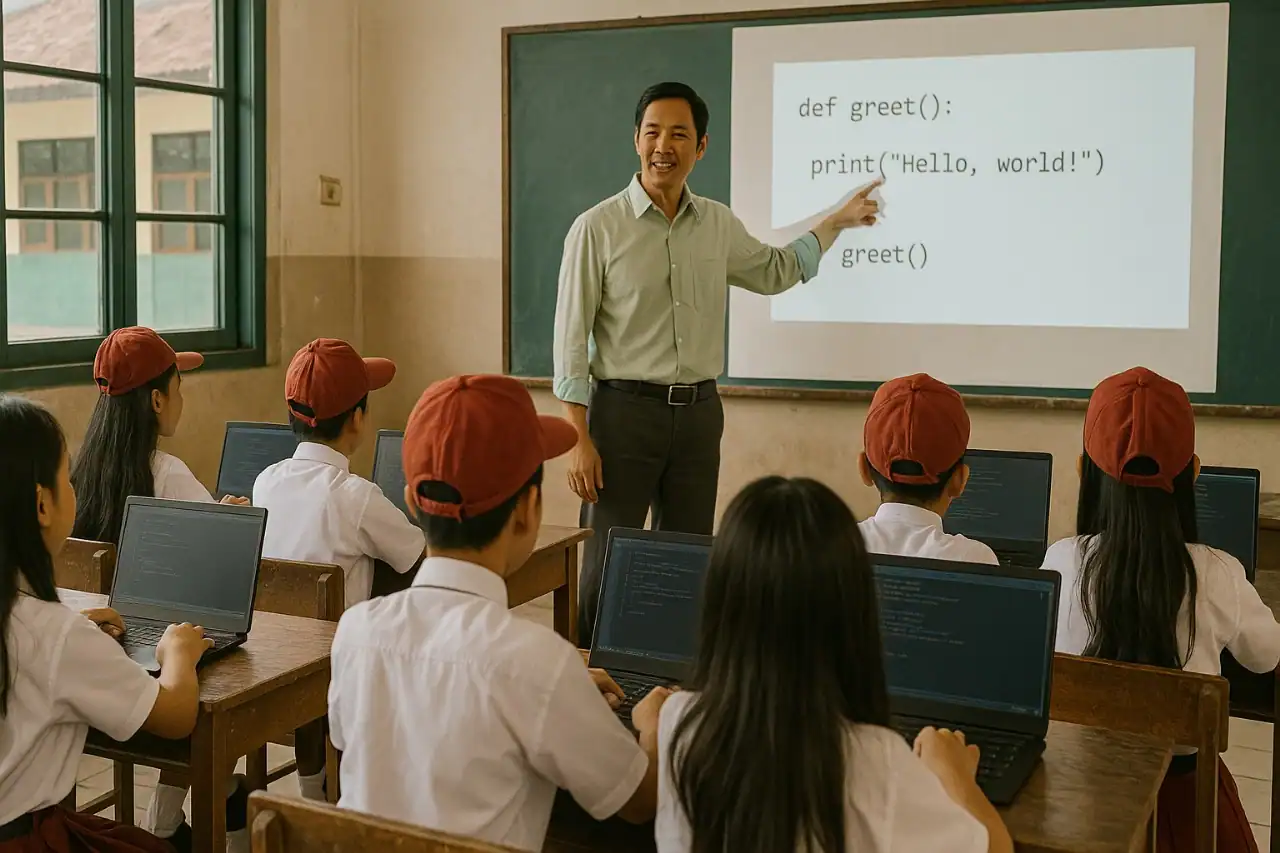
elementary school education

Some forms of innovation in elementary school education that have already been implemented in various schools include:

  1. Technology Integration in the Classroom
    Children can better understand lessons when interactive tools such as apps, videos, and Learning Management Systems (LMS) are used to support learning.
  2. Coding and Artificial Intelligence
    Coding is no longer an exclusive skill. By starting in elementary school, children are trained to think logically, creatively, and in problem-solving ways. This is a practical example of innovation in elementary school education that directly prepares them for the future.
  3. Collaborative Learning Methods
    Students are encouraged to work in groups to complete assignments, helping them practice teamwork and communication skills.
  4. Personalized Learning Approaches
    Every child learns differently. With technology, teachers can tailor lessons to suit the learning style and pace of each student.

The Role of Parents in Innovation

elementary school education

No matter how advanced schools become, parents remain an essential part of the learning journey. Supporting children as they use technology, practice coding, or study English at home ensures that innovation in elementary school education produces the best results.

When parents actively participate, children feel more supported and motivated, which strengthens the overall impact of the school’s innovation.

Positive Impacts on Children
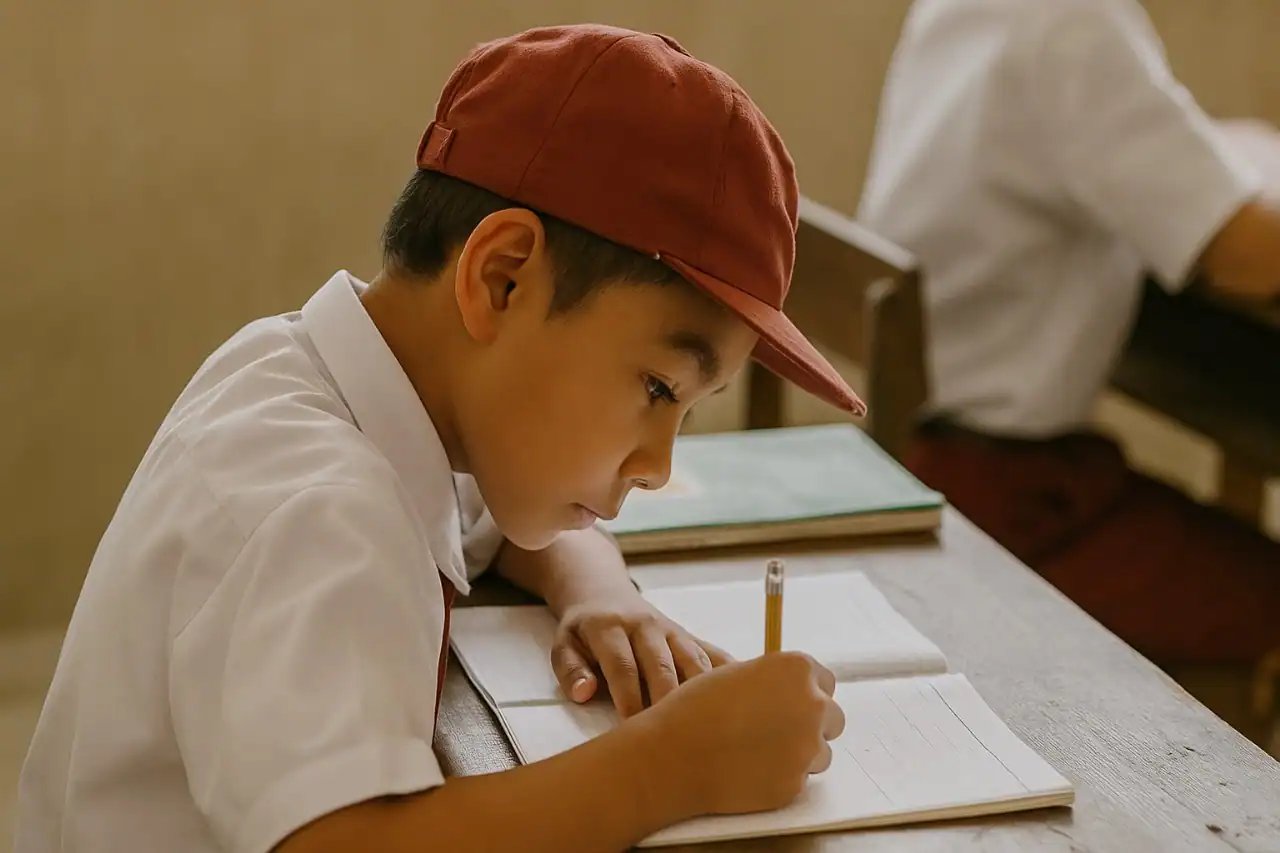
elementary school education

The implementation of innovation in elementary school education offers many benefits, including:

  • Children feel more motivated as lessons become more enjoyable.
  • Critical thinking and problem-solving skills develop more quickly.
  • Early exposure to technology gives them confidence in digital tools.
  • Creativity flourishes through varied teaching methods.

With the right innovation, children grow not only in academics but also in their social and emotional abilities.

Timedoor Academy and Educational Innovation

Timedoor Academy believes that preparing children for the future starts with relevant education. By providing programs in coding, technology, and English for elementary students, Timedoor Academy helps bring innovation in elementary school education into real classrooms.

Through interactive lessons, children can learn while having fun and at the same time train future-ready skills. Experienced instructors also ensure that learning is enjoyable, inspiring curiosity and confidence in every child.

For a Better Future

Ingin tahu detail program? Image

Ingin tahu detail program?

Innovation is the key to making elementary education not just a routine but a meaningful experience. With innovation in elementary school education, children are better prepared to face future challenges. Schools, teachers, and parents must work together to ensure that innovation brings the greatest benefit to students.

If you want your child to experience fun, engaging, and future-focused learning, now is the time to take action.

Register your child for a Free Trial at Timedoor Academy and see how innovation in education can boost their confidence and passion for learning.

Keep Reading

Rekomendasi 10 HP Murah Untuk Anak
10 Cheap Smartphones for Kids in 2025: Prices and Features
In today’s digital age, smartphones are not just entertainment tools. For many children, they serve as a bridge to learning, communication, and creativity. Choosing the right device can help your child stay connected in school, access educational apps, and explore digital skills in a fun and productive way. To help parents make smart and budget-friendly decisions, we have curated a list of the 10 best cheap smartphones for kids in 2025. These models offer great value, strong performance, and essential safety features that are perfect for young users. What to Consider When Buying a Cheap Smartphone for Kids When shopping for cheap smartphones for kids, it is important to think beyond the price tag. Here are key things every parent should consider before making a choice: PriceA good smartphone for kids does not need to be expensive. Many reliable devices under 180 dollars offer excellent features for school and everyday use. Parental ControlsSmartphones with built-in parental control settings make it easier to monitor your child’s activity, manage screen time, and ensure safe browsing. BatteryLook for phones with strong battery life that can support your child throughout a full day of studying, gaming, or video calling without frequent charging. DurabilityChildren can be rough with gadgets. A solid build or phone that works well with a protective case will help prevent costly accidents. PerformanceAt least 3 GB of RAM and 32 GB of storage is recommended for smooth learning app usage, media playback, and communication features. 10 Best Cheap Smartphones for Kids in 2025 1. Xiaomi Redmi Note 12 A favorite among cheap smartphones for kids, this model supports learning apps and video streaming with ease. Price: Around 170 USDDisplay: 6.67 inch AMOLEDProcessor: Snapdragon 4 Gen 1RAM and Storage: 4 GB RAM and 128 GBCamera: 50 MP triple rearBattery: 5000 mAh with 33W fast charging 2. Realme Narzo 50A Reliable and long-lasting, this phone is perfect for children attending full-day online classes or playing educational games. Price: Around 140 USDDisplay: 6.5 inch HD PlusProcessor: MediaTek Helio G85RAM and Storage: 4 GB RAM and 64 GBCamera: 50 MP rearBattery: 6000 mAh 3. Samsung Galaxy A14 A well-known brand delivering one of the most dependable cheap smartphones for kids with a simple interface. Price: Around 180 USDDisplay: 6.6 inch Full HD PlusProcessor: Exynos 850RAM and Storage: 4 GB RAM and 64 GBCamera: 50 MP triple rearBattery: 5000 mAh 4. Infinix Hot 12 This large-screen phone supports video learning and basic mobile games for children with curiosity. Price: Around 130 USDDisplay: 6.82 inch HD PlusProcessor: MediaTek Helio G85RAM and Storage: 4 GB RAM and 64 GBCamera: 13 MP rearBattery: 5000 mAh 5. Motorola Moto E40 A practical choice among cheap smartphones for kids with clean software and strong performance. Price: Around 150 USDDisplay: 6.5 inch HD PlusProcessor: Unisoc T700RAM and Storage: 4 GB RAM and 64 GBCamera: 48 MP triple rearBattery: 5000 mAh 6. OPPO A54 Stylish, dependable, and ideal for preteens who need extra storage for schoolwork and hobbies. Price: Around 155 USDDisplay: 6.51 inch HD PlusProcessor: MediaTek Helio P35RAM and Storage: 4 GB RAM and 128 GBCamera: 13 MP triple rearBattery: 5000 mAh 7. Tecno Spark 9 Simple and affordable, making it one of the easiest cheap smartphones for kids to learn with. Price: Around 130 USDDisplay: 6.6 inch HD PlusProcessor: MediaTek Helio G37RAM and Storage: 4 GB RAM and 64 GBCamera: 13 MP dual rearBattery: 5000 mAh 8. Huawei Y5p Compact and lightweight, this is great for younger kids who are just starting out with digital devices. Price: Around 110 USDDisplay: 5.45 inch LCDProcessor: MediaTek Helio P22RAM and Storage: 2 GB RAM and 32 GBCamera: 8 MP rearBattery: 3020 mAh 9. Samsung Galaxy M12 Trusted by many parents, this phone balances power and price well for a first smartphone. Price: Around 160 USDDisplay: 6.5 inch HD PlusProcessor: Exynos 850RAM and Storage: 4 GB RAM and 64 GBCamera: 48 MP quad rearBattery: 6000 mAh 10. Realme C55 With high storage and RAM, this phone is excellent for older children who like creative apps and multitasking. Price: Around 170 USDDisplay: 6.72 inch IPS LCDProcessor: MediaTek Helio G88RAM and Storage: 6 GB RAM and 128 GBCamera: 64 MP dual rearBattery: 5000 mAh Let Your Child Grow With Purpose A smartphone should not just be a toy. With the right guidance, it can be a tool that helps children grow their knowledge, confidence, and independence. Whether it is joining virtual classes, discovering coding, or connecting with mentors online, cheap smartphones for kids can open doors when used wisely. At Timedoor Academy, we believe that learning with technology should be meaningful. That is why we offer engaging online classes in coding, animation, and digital skills for children. If you want to help your child turn screen time into real learning, start with a free trial class. No pressure, just an open door to see what your child can create!
<strong>Technology Literacy for Children: Preparing a Digital-Savvy Generation</strong>
Technology Literacy for Children: Preparing a Digital-Savvy Generation
In today's digital age, technological skills are no longer optional but essential for every child. Technology Literacy for Children is not only about knowing how to operate devices, but also understanding how to use technology wisely, creatively, and productively. By equipping children with these skills from an early age, parents help them navigate the digital world safely and effectively. Benefits of Technology Literacy for Children Children with strong Technology Literacy for Children can critically evaluate information, understand basic technological concepts, and use digital tools for learning and creativity. These skills prepare them to face academic challenges as well as future career demands. Additionally, children can develop creativity, logical thinking, and problem-solving abilities through engaging technology-based activities. How to Develop Technology Literacy in Children Parents can start fostering Technology Literacy for Children by introducing age-appropriate digital devices and educational applications. Activities such as simple digital projects, educational games, or basic coding lessons can help children understand technology concepts while enhancing critical thinking skills. Proper guidance ensures that children are not just consumers of technology but also creative and productive users. The Role of Schools and Educational Institutions Schools and educational institutions play a crucial role in supporting Technology Literacy for Children. Structured learning programs such as coding classes, robotics workshops, and interactive educational apps provide hands-on experience that makes learning technology fun and meaningful. Timedoor Academy offers various classes that emphasize digital literacy through practical and interactive approaches, allowing children to learn while enjoying the process. Digital Skills as Preparation for the Future Having Technology Literacy for Children is not only beneficial now but also an essential foundation for the future. Children who are accustomed to using technology productively will find it easier to adapt to the demands of a digital workforce. Furthermore, technology literacy enhances communication, collaboration, and innovation skills, which are crucial in both social and professional environments. Tips for Parents to Support Technology Literacy Parents can support Technology Literacy for Children through several simple strategies. First, set limits on screen time to ensure a healthy balance between online and offline activities. Second, select age-appropriate content and educational apps. Third, participate in children’s digital activities, such as guiding them in coding projects or creative applications. This involvement encourages children and motivates them to use technology positively. Combining Hobbies with Technology Learning A highly effective approach to developing Technology Literacy for Children is integrating a child’s hobbies with digital learning. For example, children who enjoy gaming can be guided to learn coding or create their own simple games. This not only channels their interests productively but also teaches logical thinking, creativity, and teamwork skills that are applicable in various aspects of life. Technology Literacy as a Key to Child Development Technology Literacy for Children is a key factor in nurturing children to become intelligent, creative, and adaptable in a rapidly changing digital world. With appropriate guidance from parents and educational institutions, children not only gain proficiency in technology but also learn to use it responsibly and productively. Investing in digital literacy provides long-term benefits for education and personal growth.If you want your child to start developing digital skills in a fun and interactive way, sign up for a free trial at Timedoor Academy today. Here, children learn technology in practical and creative ways, guided by professional tutors who understand the needs of modern learners.
<strong>How to Set Healthy Screen Time Limits for Children in 2025</strong>
How to Set Healthy Screen Time Limits for Children in 2025
In today’s digital world, children are growing up surrounded by gadgets and screens. Televisions, smartphones, tablets, and laptops have all become a normal part of their daily lives. While these devices bring convenience and learning opportunities, many parents are left wondering: how can we set screen time limits for children that support their healthy physical, mental, and social growth? When managed properly, screen time can be educational and entertaining. But when it becomes excessive, it may pose serious risks to children’s development. That’s why it’s essential for parents to create healthy screen time limits for children and stick to them consistently. Why Do Screen Time Limits for Children Matter? Children are naturally attracted to visual and interactive content. Without supervision, long hours in front of screens can lead to issues like poor sleep, eye strain, less physical activity, and difficulty with social interaction. At their developmental stage, children’s brains need real-world stimulation, not just digital input. Too much screen exposure can also shorten attention spans and reduce focus. Research shows that a lack of screen time limits for children may lead to lower academic performance, slower language development, and even emotional imbalance. Global Health Guidelines Both the World Health Organization (WHO) and the American Academy of Pediatrics (AAP) offer age-specific recommendations for managing screen use: Ages 0–2: Avoid screen time entirely, except for video calls with family. Ages 2–5: Limit screen time to a maximum of 1 hour per day with adult supervision. Age 6 and up: Monitor screen use to ensure it doesn’t interfere with sleep, exercise, or family time. Of course, duration is only one part of the equation. The type of content and how it’s used matter even more. Not all screen time is harmful—especially when it’s used for learning or creating. Risks of Excessive Screen Time Without reasonable screen time limits for children, several long-term consequences can appear: Sleep disruption: Blue light from screens can interfere with melatonin production, making it harder to fall asleep. Physical inactivity: Children who spend too much time on screens may become sedentary, leading to obesity risks. Eye strain: Prolonged use of devices can result in dry eyes and blurred vision. Delayed communication and social skills: Face-to-face interaction decreases, especially during early childhood. Emotional reactivity: Overuse of screens may lead to irritability, impatience, and difficulty managing emotions. How to Set Effective Screen Time Limits Here are several practical strategies that can help you manage screen time for your child: Create a clear daily routine: Only allow screen time after homework, reading, or chores are finished. Be a good role model: Reduce your own screen time at home so your child can follow your example. Use parental control features: Many devices and apps have built-in tools to manage screen access and usage time. Introduce fun offline activities: Encourage exercise, crafts, puzzles, or reading time to balance digital activities. Establish screen-free zones: Keep devices out of the bedroom, dining area, or family time spaces. Choose high-quality content: Use educational platforms or age-appropriate games and videos. Communicate openly: Explain the reasons behind setting limits and include your child in creating rules. Consistency, patience, and open dialogue will help your child build healthy digital habits that last. A Better Way to Use Screen Time: Learn Coding at Timedoor Academy Instead of banning screens altogether, guide your child toward something meaningful. Coding is one of the best ways to turn screen time into an active, creative, and skill-building experience. Children learn logic, problem-solving, and digital literacy in a fun and empowering way. At Timedoor Academy, we offer coding classes that teach children how to create games, websites, and animations while building responsible screen habits. With an international curriculum and project-based learning, screen time becomes a tool for growth—not just entertainment. Try our free trial class and see how your child can thrive with the right kind of digital learning.
float button