Jun 13, 2025

Understanding Learning Disability in Children: Signs, Causes, and How to Handle It
<strong>Understanding Learning Disability in Children: Signs, Causes, and How to Handle It</strong> image

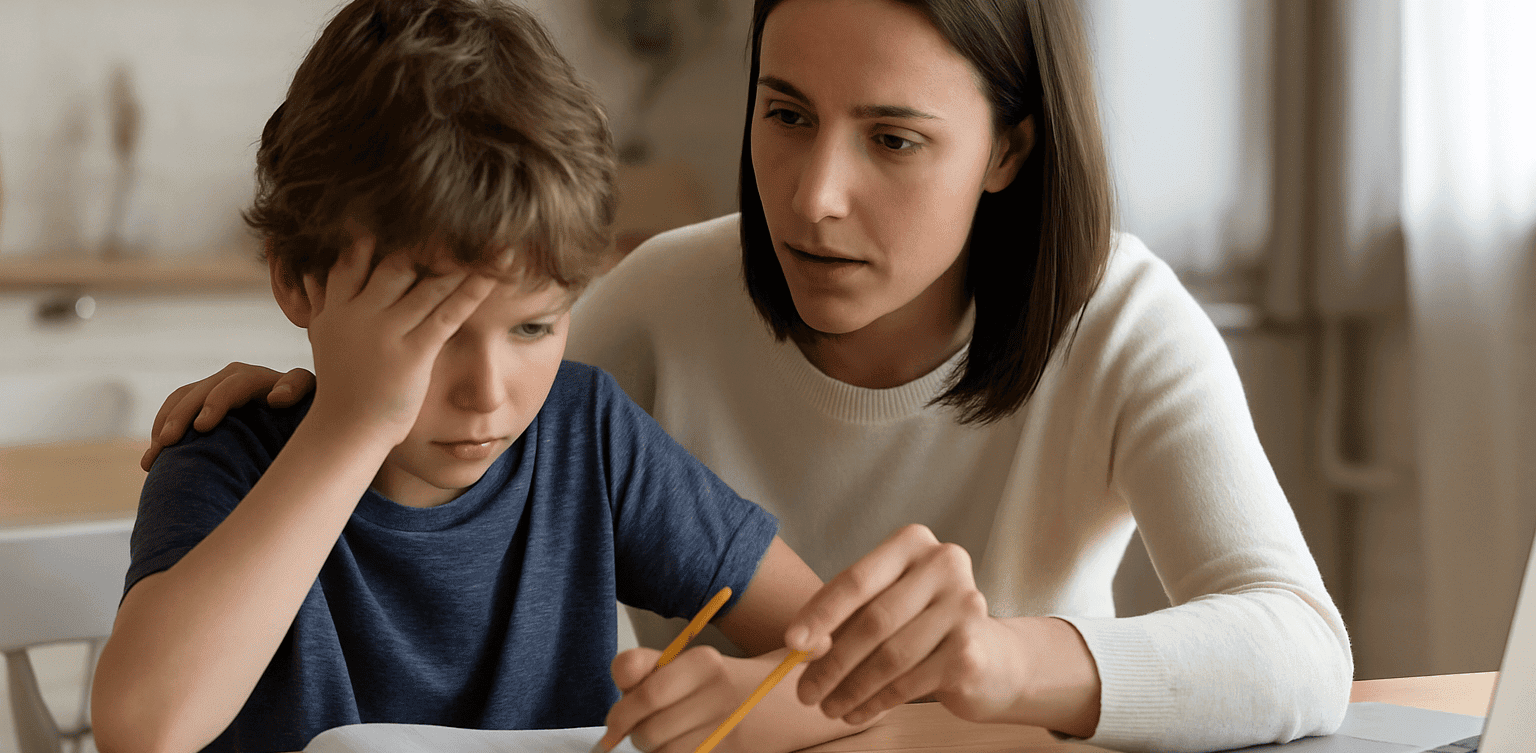
Every child has their own unique way of learning. However, some children face significant challenges in learning, even when they have access to proper education and support. This condition is commonly referred to as a learning disability in children. It is essential for parents and educators to recognize early signs of this issue so that children can receive the help they need as soon as possible.

What Is a Learning Disability in Children?

learning disability in children

A learning disability in children is a neurological condition that affects how a child processes information. Children with this condition may have difficulty reading, writing, counting, or following instructions. It is not related to intelligence, as many children with learning disabilities have normal or even high IQs. They simply need a different learning approach.

There are several types of learning disability in children, including dyslexia (difficulty reading), dyscalculia (difficulty with numbers), and dysgraphia (difficulty writing). Each type presents its own challenges that can affect a child’s academic performance.

Signs You Shouldn’t Ignore

The signs of a learning disability in children vary depending on the type and severity, but some general indicators include:

  • Struggling to read, spell, or recognize letters despite repeated practice
  • Difficulty following simple instructions or frequently forgetting directions
  • Inconsistent academic performance, especially in language or math subjects
  • Frustration during study time, reluctance to learn, or lack of focus
  • Difficulty expressing ideas in writing

If these symptoms persist over time and impact learning progress, parents should consider the possibility of a learning disability in children and consult with a professional.

What Causes Learning Disability in Children?

The exact causes of a learning disability in children are not fully understood, but several contributing factors are believed to include:

  1. Genetics: Children with a family history of learning disabilities are at greater risk.
  2. Birth complications: Lack of oxygen at birth or premature delivery may affect brain development.
  3. Environmental influences: Exposure to toxins, poor nutrition, or early trauma can increase the risk.
  4. Neurological differences: Some children’s brain structures or functions differ slightly, affecting how they absorb information.

It is important to understand that a learning disability in children is not caused by laziness or lack of parental care. It is a real condition that requires proper educational support.

Supporting Children with Learning Disabilities

When a child is diagnosed with a learning disability, the first and most important step is for parents to accept the condition calmly. Emotional support from the family helps build the child’s confidence. Here are a few helpful strategies:

  1. Seek professional help
    Psychologists or special education therapists can design a learning plan suited to the child’s needs and conduct regular evaluations to track progress.
  2. Try alternative learning methods
    Some children respond better to visual, auditory, or movement-based teaching. Use multisensory learning tools to make material easier to understand.
  3. Create a structured learning routine
    A consistent schedule and a quiet study environment will help children focus. Reduce distractions that are not related to learning.
  4. Make learning fun and interactive
    Children with a learning disability in children often lose motivation easily. Use games, visuals, and videos to keep them engaged.
  5. Praise their effort, not just the result
    Recognizing small achievements helps boost their confidence. Avoid comparing them to other children.

When Should You See a Specialist?

If you notice signs of a learning disability in children and have tried different learning approaches with little improvement, it’s time to consult a child psychologist or a certified learning center. Early diagnosis allows for early intervention, leading to better academic and emotional outcomes for your child.

Final Thoughts: Discover Their Strengths in Different Ways
Ingin tahu detail program? Image

Ingin tahu detail program?

A learning disability in children may present challenges, but it does not define their future. With the right educational approach, a supportive environment, and emotional guidance, children with learning difficulties can thrive and achieve great things. The key is early detection and consistent support.

As an alternative learning method, coding can be a fun and empowering way to develop logic, creativity, and confidence. Timedoor Academy offers free trial coding classes for children to explore the world of technology in a playful and interactive way. Give your child a chance to shine in a different way by registering for a free coding class today.
Keep Reading

10 Unhealthy Foods for Kids That Parents Should Watch Out For
Every parent wants their child to grow up healthy and full of energy. But in today’s world, where processed foods are everywhere, it’s easy to overlook how much of what kids eat is actually harmful to their health. Many of the snacks and meals kids love are considered unhealthy foods for kids — tasty, yes, but loaded with ingredients that can cause serious health problems down the line. In this article, we’ll walk through 10 common unhealthy foods for kids that should be limited, along with why building healthy eating habits early is so important.   1. Fast Food Burgers, fries, chicken nuggets — these fast food favorites are high in saturated fat, calories, and sodium. They may be convenient, but eating them too often can lead to weight gain and increase the risk of heart disease later in life. Fast food is one of the most recognizable unhealthy foods for kids and should be enjoyed only occasionally.   2. Instant Noodles Quick and easy to prepare, instant noodles are a go-to for busy families. However, they’re loaded with salt, unhealthy fats, and preservatives. Regularly eating instant noodles can raise blood pressure and put unnecessary strain on children’s kidneys, making them one of the most problematic unhealthy foods for kids.   3. Packaged Snacks Potato chips, cheese puffs, and other bagged snacks might be tasty, but they’re often full of artificial flavors, trans fats, and excessive salt. With little to no nutritional value, these snacks are classic examples of unhealthy foods for kids that can easily be replaced with healthier alternatives.   4. Sugary Candy and Sweets Most kids love sweets, but too much sugar leads to tooth decay, weight gain, and even a higher risk of developing type 2 diabetes. Whether it’s candy, chocolate bars, or gummy treats, sugary snacks are firmly in the category of unhealthy foods for kids.   5. Soda and Sugary Drinks Soft drinks and sugary juices pack an enormous amount of added sugar and artificial additives. Not only do they contribute to obesity, but they also weaken bones and harm dental health. It’s no surprise that sugary drinks are among the most well-known unhealthy foods for kids.   6. Sweetened Breakfast Cereals Many cereals marketed toward children are more dessert than breakfast, containing high levels of sugar and very little fiber. Starting the day with these sugary options can cause energy crashes and unhealthy snacking habits later on. Despite clever advertising, sweetened cereals are undoubtedly unhealthy foods for kids.   7. Store-Bought Ice Cream While an occasional scoop of ice cream is fine, commercially produced varieties are often loaded with sugar and unhealthy fats. When consumed too frequently, ice cream becomes yet another source of unnecessary calories and one more item on the list of unhealthy foods for kids.   8. Bubble Tea and Flavored Beverages Bubble tea and flavored milk drinks have become trendy among kids worldwide. Unfortunately, they’re typically packed with sugar, syrups, and calorie-dense toppings. These drinks are fun but should be considered occasional treats, as they’re definitely unhealthy foods for kids.   9. Deep-Fried Street Food Fried snacks sold by street vendors are often cooked in reused oil and prepared in less-than-hygienic conditions. Consuming these foods regularly increases the intake of harmful fats and raises the risk of digestive issues, making them one of the most dangerous unhealthy foods for kids.   10. Packaged Cakes and Pastries Mass-produced cakes, donuts, and pastries are high in refined sugars, unhealthy fats, and preservatives. Regularly eating these sweet treats can contribute to weight gain, disrupt hormone balance, and increase the risk of chronic diseases. Without a doubt, they belong on the list of unhealthy foods for kids.   Why Should You Limit Unhealthy Foods for Kids? The effects of unhealthy foods for kids go far beyond weight gain. Poor eating habits can affect children’s physical growth, learning abilities, mood, and immunity. Kids who frequently consume high-sugar, high-fat, and heavily processed foods may struggle with focus, experience low energy, and be more prone to illness. That’s why it’s essential for parents to guide their children towards healthier food choices early on. Teaching kids about nutrition helps them develop lifelong habits that support their overall well-being.   Don’t Forget Digital Literacy: A Key Skill for Today’s Kids While promoting healthy eating is vital, fostering digital skills is equally important. Introducing kids to coding, for example, helps develop logical thinking, creativity, and problem-solving abilities that are crucial in the digital age. Timedoor Academy offers fun, interactive coding classes specifically designed for kids. It’s a great way to support your child’s overall growth — mind and body. Ready to give your child a head start? Sign up for a free coding trial class with Timedoor Academy today and help them build essential skills for the future.
10 Practical Tips to Set Up a Comfortable and Productive Home Learning Space for Kids
In today’s digital age, children are not only learning at school but also through various online platforms from the comfort of home. That’s why setting up a home learning space for kids that is both comfortable and productive has become increasingly important. A well-organized learning environment supports better focus, enhances motivation, and encourages independent study habits from an early age. Here are ten simple yet effective tips to help parents create an ideal home learning space that supports both comfort and academic success. 10 Practical Tips to Set Up a Comfortable and Productive Home Learning Space for Kids 1. Choose a Quiet Spot with Minimal Distractions Start by picking a location that isn’t heavily trafficked throughout the day. Ideally, a home learning space for kids should be away from TVs, the kitchen, or play areas. If you don’t have a dedicated room, convert a quiet corner of the bedroom or living room into a learning zone. Use a bookshelf or lightweight divider to create a clear separation between study time and leisure time. 2. Ensure Good Lighting Lighting has a direct impact on mood and focus. Make sure the home learning space for kids has access to natural light during the day. For evening sessions, provide a desk lamp with bright but soft white lighting. Avoid dim lights, as they can cause drowsiness and reduce attention. 3. Provide Ergonomic Furniture A comfortable setup goes a long way. Use a chair and desk that match your child’s height to encourage proper posture. Add cushions or a footrest if needed, so your child can sit comfortably for longer study sessions. 4. Minimize Visual and Audio Distractions Overly bright or busy decor can be distracting in home learning space for kids. Stick to neutral or calming colors for the walls and furniture. Keep toys and unrelated devices out of reach during study hours. If noise from outside interrupts your child’s focus, consider using noise-cancelling headphones, especially during online classes. 5. Keep All Learning Materials Within Reach Equip the space with all the essentials: stationery, books, a laptop or tablet, headphones, and a reliable internet connection. Having everything nearby prevents unnecessary movement and keeps the child focused. Use storage bins or small shelves to keep the desk tidy and clutter-free. 6. Display a Daily Schedule Help your child develop a routine by creating a visual schedule. Post it on the wall near their desk using colorful charts or illustrations. The schedule can include study time, breaks, meals, and creative activities. Visual structure supports time management and builds responsibility. 7. Involve Your Child in the Setup Let your child have a say in how the space looks. Allow them to choose the colors, arrange the desk, or decorate with their favorite items. When kids feel ownership over their home learning space, they are more likely to use it enthusiastically and keep it tidy. 8. Ensure Good Air Circulation and Room Temperature A cool, fresh room helps maintain energy and concentration. Open windows regularly or use a fan or air conditioner if needed. Scent can also influence mood — try light, calming scents like lavender to create a relaxed environment. 9. Match the Setup to Your Child’s Digital Learning Needs If your child is involved in digital learning, make sure the equipment works smoothly. Check the laptop or tablet, webcam, microphone, and internet connection before class begins. Also, make sure their chair and desk setup supports good posture for screen-based learning. 10. Add Motivational Personal Touches Showcase your child’s artwork, awards, or inspiring quotes on the wall. Personal touches can boost confidence and make the space feel more welcoming and meaningful to them. Maximize Your Child’s Home Learning Space with the Right Learning Program Creating a home learning space for kids is a strong start, but it becomes truly effective when paired with the right learning content. Timedoor Academy offers a wide range of interactive online classes to help children grow academically and creatively — all from their home learning space. With subjects like coding, robotics, math, and digital creativity, your child can explore their interests in a fun and structured way. Sign up for a free trial class at Timedoor Academy today and give your child the opportunity to build skills for the future while learning comfortably at home.
Fun and Easy Coding Lessons for Kids in 2025
In today’s fast-moving digital world, coding has become an essential skill for children. It’s not just about preparing them to become future programmers, but also about helping them build logic, improve critical thinking, and solve problems in a structured way. That’s why introducing coding lessons for kids at an early age is a smart move for both parents and educators. Teaching coding to children, especially those in elementary school, requires a different approach than teaching older students or adults. The material must be adapted to their level of understanding and presented in a way that is fun and interactive, so they stay engaged and motivated. So, what kind of coding lessons for kids are best suited for young learners? Let’s explore the options. Why Kids Should Learn Coding Before diving into the types of coding lessons for kids, it’s important to understand why coding is valuable from a young age. Some of the key benefits include: 1. Strengthening logical thinkingCoding teaches kids how to think in steps and solve problems using logic. This helps develop structured and organized thought patterns. 2. Encouraging creativityThrough coding, children can build their own games, animations, and digital stories. It sparks imagination and creative expression. 3. Preparing for the digital futureAs technology becomes more integrated into everyday life and future careers, understanding coding gives kids a head start and builds a strong foundation. 4. Building resilienceWhen something in their code doesn’t work, kids are encouraged to find solutions and try again. This helps develop patience and problem-solving skills. Recommended Coding Lessons for Kids There are many ways to introduce coding lessons for kids, depending on their age and learning style. Here are some great starting points: 1. Understanding Basic Logic and Algorithms Before learning a programming language, kids need to grasp simple concepts like sequences, conditionals (if-then statements), and loops. These can be taught using hands-on activities like card games, unplugged coding puzzles, or guided problem-solving exercises. 2. Block-Based Programming Block-based platforms are one of the most effective ways to start coding lessons for kids. Kids drag and drop visual blocks that represent code to complete tasks. Some popular platforms include: Scratch: Designed for children to build animations, games, and interactive projects. Code.org: Offers beginner-friendly lessons with characters and stories that keep kids engaged. Blockly: Similar to Scratch and great for easing the transition into text-based programming. These tools make learning to code intuitive, visual, and fun. 3. Beginner Programming Languages Once children are comfortable with block-based coding, they can begin to explore simple programming languages such as: Python: Known for its readability and simplicity, perfect for beginners. HTML & CSS: Great for kids interested in web design and layout. Basic JavaScript: Helps kids understand interactivity and logic on websites. These coding lessons for kids should be introduced slowly and supported by mentors who understand how to guide young learners. 4. Real-Life Coding Applications To make learning more meaningful, kids can be shown how coding is used in real life. They can build educational games, simulate everyday systems like traffic lights, create interactive calendars, or program basic robots using tools like Micro:bit or LEGO Robotics. These hands-on applications show that coding can be both fun and useful. Tips for Teaching Kids to Code For coding lessons for kids to be effective, the teaching method is just as important as the content. Here are a few tips: Use interactive visualsChildren understand and retain more when they see how things work. Use videos, animations, and coding games. Make learning funIncorporate games, challenges, and reward systems to keep kids motivated and engaged. Celebrate small winsRecognizing achievements helps build confidence and encourages progress. Keep it gradualAvoid overwhelming kids by focusing on one concept at a time and allowing them to master it before moving on. Start Early, Build Strong Foundations The best coding lessons for kids are those that suit their developmental level, encourage creativity, and support essential skills like logical thinking and problem-solving. By starting early, children are not only introduced to the world of technology, but they also gain confidence in exploring and understanding how digital systems work around them. If you’re looking for a program that makes coding accessible, fun, and age-appropriate, Timedoor Academy offers interactive lessons led by experienced instructors. Sign your child up for one of our engaging classes and take advantage of our free trial session. It’s the perfect way to introduce coding lessons for kids in a positive and meaningful way!
float button