Apr 28, 2025

The Benefits of Coding for Kids 2025: Why Start Early?

The Benefits of Coding for Kids 2025: Why Start Early? image

In today’s digital world, understanding technology is becoming as important as reading and writing. One of the best ways to prepare children for the future is by introducing them to coding at an early age. The Benefits of Coding for Kids go far beyond just learning how to program a computer. Coding can help children develop essential life skills that will serve them well in any career path they choose. In this article, we will explore The Benefits of Coding for Kids and why starting early makes a big difference.

1. Enhancing Problem-Solving Skills
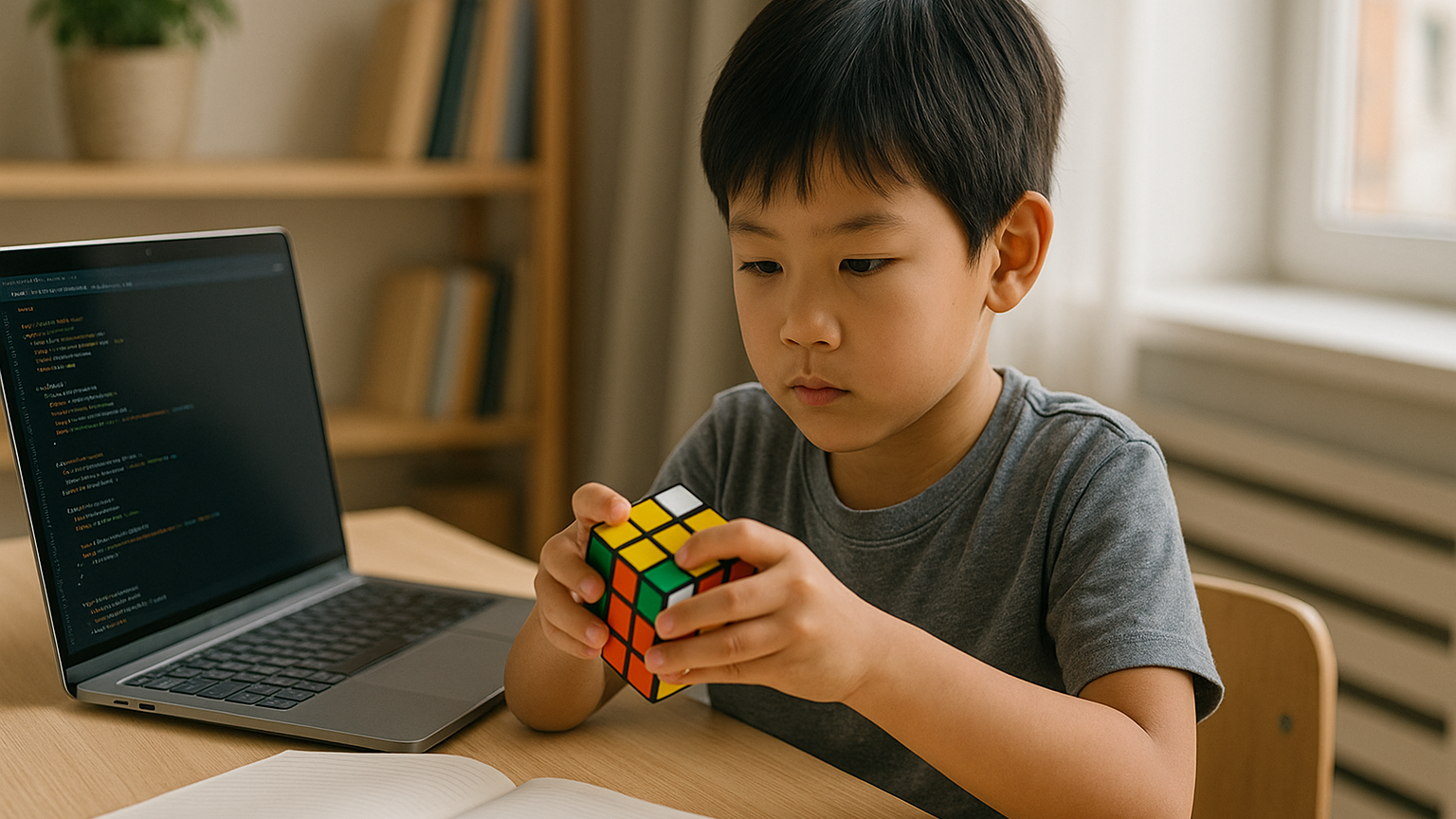
the benefits of coding for kids

One of The Benefits of Coding for Kids is the development of strong problem-solving abilities. Coding encourages children to think critically and approach challenges with a logical mindset. When kids write code, they often encounter errors or bugs. Finding and fixing these issues teaches them how to break down problems into manageable parts and work through solutions methodically. The Benefits of Coding for Kids in this area are clear, as these problem-solving skills are useful not only in computer science but in everyday life as well.

2. Boosting Creativity and Innovation
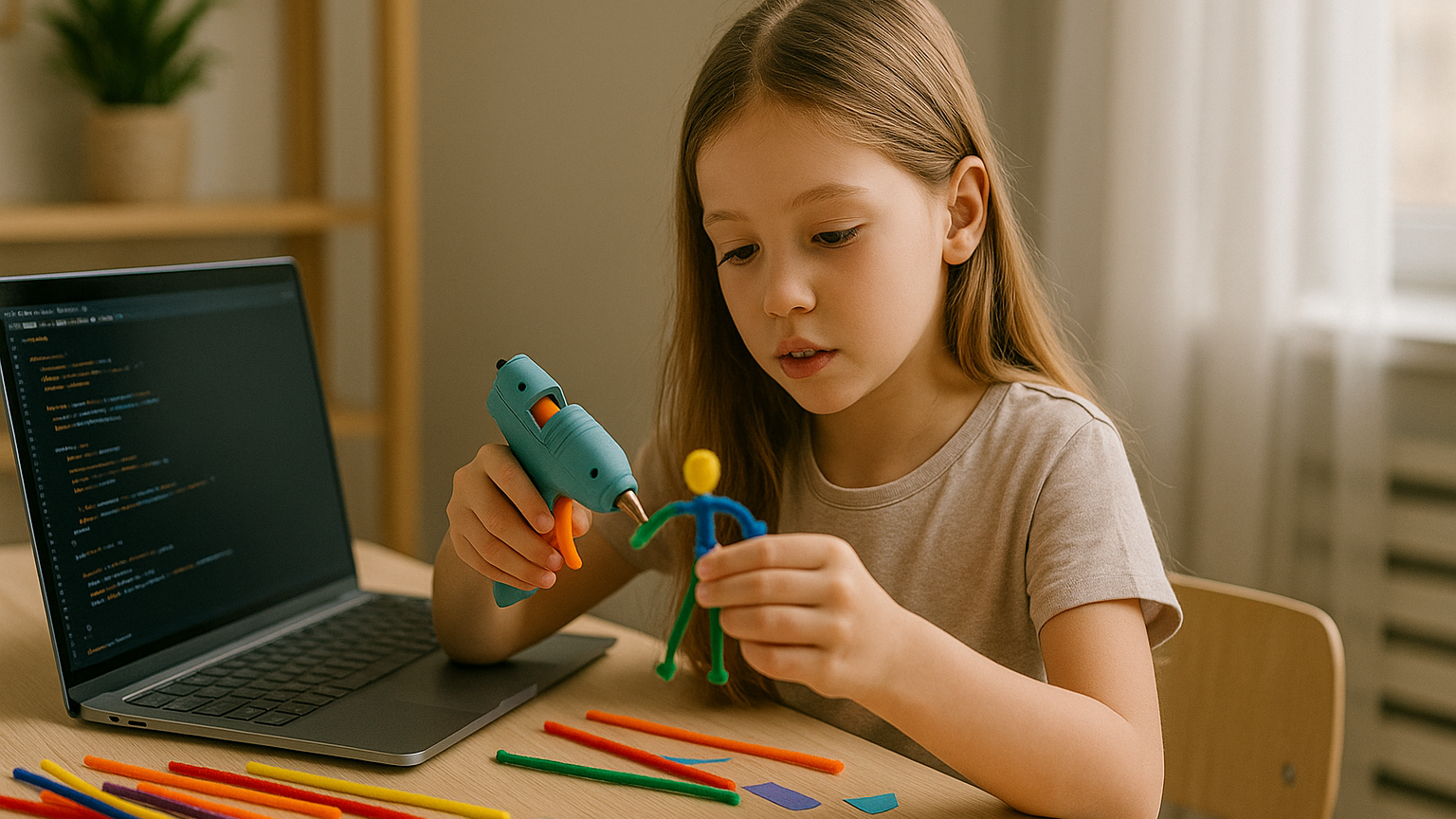
the benefits of coding for kids

Another key aspect of The Benefits of Coding for Kids is how it nurtures creativity. Contrary to the belief that coding is purely technical, creating a new app, game, or website involves a great deal of imagination. Children can express themselves by building projects that reflect their interests and ideas. The Benefits of Coding for Kids also include encouraging them to think outside the box and come up with innovative solutions to real-world problems.

3. Building Resilience and Persistence
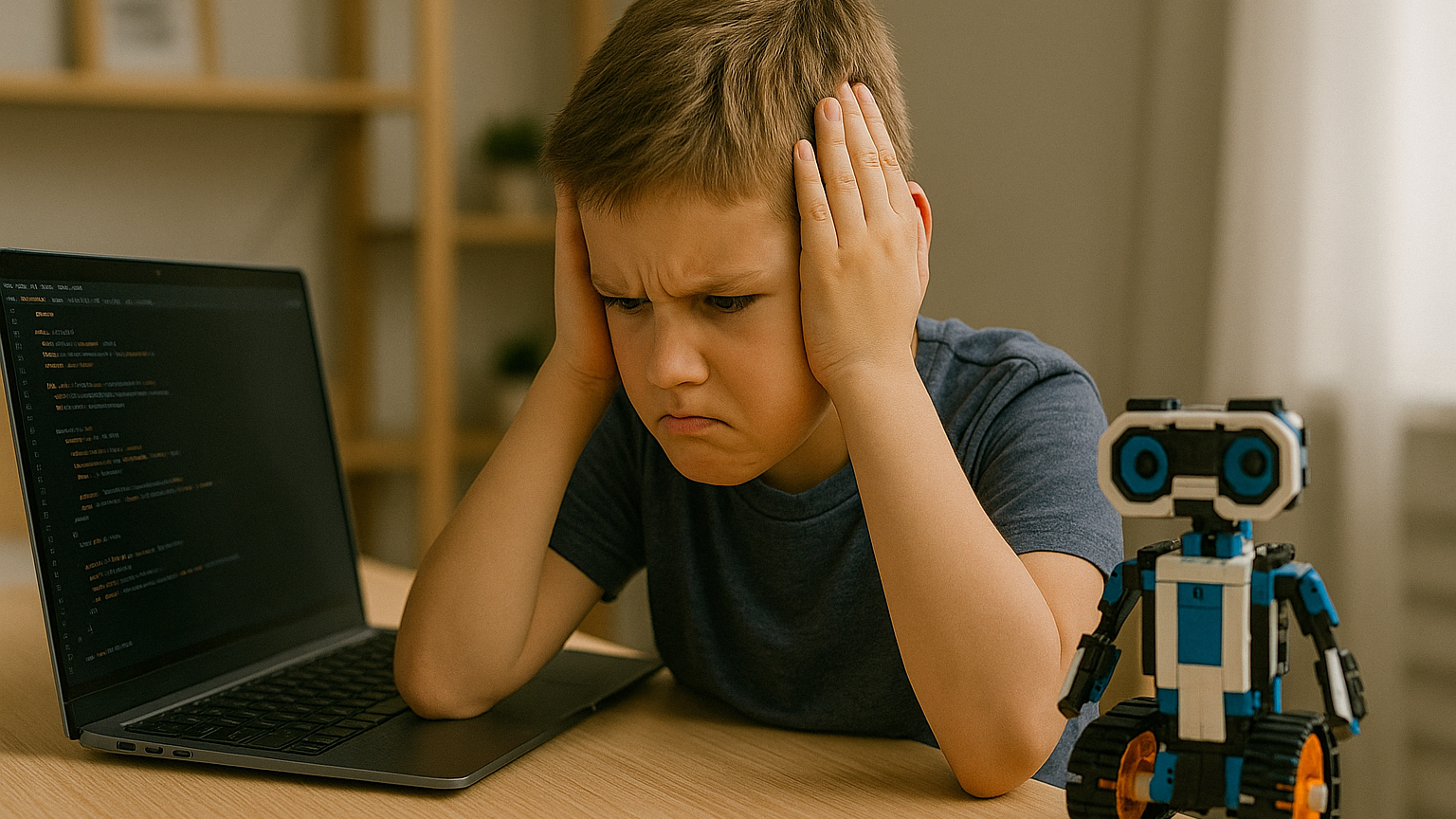
the benefits of coding for kids

Learning to code is not always easy, and that is exactly why The Benefits of Coding for Kids include building resilience. Kids quickly learn that failure is a part of the process and that persistence is key to success. They may have to try multiple times before they get their code to work correctly. The Benefits of Coding for Kids in this area are significant because resilience and persistence are important traits that will benefit them throughout their academic and professional lives.

4. Strengthening Mathematical Skills

the benefits of coding for kids

Mathematics and coding are closely related. Understanding concepts like variables, sequences, and patterns is crucial in both fields. One of The Benefits of Coding for Kids is that it helps strengthen their math skills in a practical and engaging way. Instead of seeing math as a boring subject, children realize that numbers and logic have real-world applications. The Benefits of Coding for Kids extend to making math more fun and approachable, which can improve their overall academic performance.

5. Preparing for Future Career Opportunities

The job market is evolving rapidly, and coding skills are becoming increasingly valuable across industries. One of The Benefits of Coding for Kids is giving them a head start in a world where technology dominates many fields. Whether they choose a career in software development, medicine, finance, or the arts, understanding how technology works will be an asset. The Benefits of Coding for Kids also include opening doors to numerous opportunities, ensuring that children are not just consumers of technology but creators as well.

6. Fostering Collaboration and Communication

While coding may seem like a solitary activity, it often involves working in teams, especially in real-world projects. The Benefits of Coding for Kids include learning how to collaborate with others, share ideas, and communicate effectively. Group projects encourage children to listen to others’ perspectives and explain their own ideas clearly. The Benefits of Coding for Kids, therefore, reach beyond technical skills, helping children become better teammates and communicators.

7. Enhancing Logical Thinking and Analytical Skills

Coding requires a logical approach to solving problems. Children must think step-by-step, anticipate outcomes, and plan accordingly. The Benefits of Coding for Kids in terms of enhancing logical thinking are profound. Analytical skills developed through coding activities help children in other subjects such as science and reading comprehension. The Benefits of Coding for Kids include creating a structured way of thinking that supports academic success across multiple disciplines.

8. Encouraging Self-Confidence

Another important point when discussing The Benefits of Coding for Kids is the boost in self-confidence that coding can provide. Successfully completing a coding project, solving a difficult problem, or seeing their app or game come to life gives children a great sense of accomplishment. The Benefits of Coding for Kids also involve building their belief in their own abilities, encouraging them to tackle bigger challenges in the future with confidence.

9. Promoting Global Competitiveness

the benefits of coding for kids

In an increasingly interconnected world, coding is a universal language. Children who learn to code are better prepared to compete on a global stage. The Benefits of Coding for Kids include preparing them to participate in a global economy where technological literacy is key. The Benefits of Coding for Kids ensure that children have the skills needed to innovate, collaborate internationally, and succeed in a tech-driven world.

How to Get Started Obtaining The Benefits of Coding for Kids

Now that we have seen The Benefits of Coding for Kids, it is important to consider how to get them started. Parents and educators can introduce coding through online platforms, coding camps, and school programs. Platforms like Timedoor Academy offer structured courses designed specifically for children, making the learning process fun and effective. Emphasizing The Benefits of Coding for Kids from the beginning helps children stay motivated and excited about their coding journey.

Many programs use visual-based coding languages like Scratch to teach beginners. These programs allow children to drag and drop code blocks, making it easy to understand basic programming concepts. As children progress, they can move on to more advanced languages like Python, JavaScript, or HTML. Understanding The Benefits of Coding for Kids early on can inspire them to pursue coding seriously and develop skills that will serve them for a lifetime.

Ready to Unlock The Benefits of Coding for Kids?

Ingin tahu detail program? Image

Ingin tahu detail program?

If you are looking for the best way to introduce your child to coding, Timedoor Academy is here to help. Our expert-designed courses are tailored to make learning coding fun, engaging, and effective for children of all ages. Whether your child is just starting or looking to deepen their skills, Timedoor Academy offers a supportive environment that focuses on building creativity, problem-solving, and confidence.

Discover how your child can experience The Benefits of Coding for Kids by joining our free trial class today. Let us help your child take the first step towards a bright and successful future.


Sign up for a free trial at Timedoor Academy now!

Keep Reading

<strong>Shaping Your Child’s Future Through Early Education</strong>
Shaping Your Child’s Future Through Early Education
Shaping your child future is one of the most important concerns for every parent. Every decision we make from choosing the right school to enrolling our children in extracurricular activities plays a significant role in shaping your child future. As parents, we all want to give our children the best, but the path to doing so is not always clear. Building a strong foundation from an early age is the key to guiding children toward a bright and successful future. This includes not just formal education, but also character development, 21st-century skills, and digital literacy in an ever-evolving world. Why Early Education Matters Research consistently shows that early childhood is a golden period for brain development. During this time, children absorb information rapidly and form lifelong habits. That’s why shaping your child future must start with providing quality learning experiences from a young age. Early education goes beyond teaching reading and math. It involves nurturing logical thinking, creativity, communication skills, and critical thinking. These are the essential building blocks for future success. Technology and Modern-Day Challenges In today’s fast-paced digital era, children need to be familiar with technology to keep up. Without the right exposure, they risk falling behind in skills and confidence. On the other hand, unrestricted use of technology without guidance can lead to negative outcomes. This is where parents play a vital role in ensuring that their children use technology wisely and constructively. One proven way to shaping your child future is by introducing them to the world of coding and digital literacy early. Learning to code is more than just programming it teaches children how to think systematically, solve problems independently, and create useful digital projects. The Importance of 21st-Century Skills In shaping your child future, parents must look beyond academics. Success in the future workforce will require skills such as collaboration, adaptability, innovation, and digital fluency. Thus, children need a holistic education that prepares them to thrive in a dynamic world. These 21st-century skills can be nurtured through engaging activities like digital projects, educational games, and coding classes. A project-based learning approach helps children learn by doing, which fosters curiosity, initiative, and real-world understanding. The Parent’s Role in Guiding Their Child’s Future Parents can’t leave their children’s future entirely in the hands of schools. Active involvement in a child’s learning journey is crucial. Parents who participate in their child’s learning process are better positioned to identify their child’s talents, interests, and individual needs. This involvement also builds the child’s confidence, strengthens their motivation, and reinforces their belief that they are supported. A key aspect of shaping your child future is fostering a strong partnership between the home, the school, and the broader community. Creating a Supportive Learning Environment Children thrive in safe, encouraging, and engaging environments. They need spaces where they feel free to explore, express themselves, and try new things. This is the mission of Timedoor Academy to create inspiring digital learning environments that fuel creativity, exploration, and innovation. With a modern, fun, and forward-looking approach to education, Timedoor Academy has helped thousands of children across the globe discover technology, think critically, and build meaningful projects. Through interactive classes and expert mentorship, children gain the confidence to turn ideas into action. Let’s Invest in Their Future Today Shaping your child future is a long-term commitment. It requires consistent effort, patience, and the right strategy. But the most important step is to start now. By giving children access to relevant education and the skills they’ll need in the future, we’re laying a solid foundation for the lives they will lead. Sign your child up for a free trial at Timedoor Academy today and see how they can begin exploring the world of technology in a way that’s fun, educational, and empowering. Together, let’s support our children as they take confident steps toward shaping their future.
How to Help Kids Stay Focused While Studying at Home in 2025
Many parents struggle with children who find it hard to stay focused while studying at home. School assignments pile up, but their attention often drifts elsewhere — whether to gadgets, television, or simply daydreaming. This situation can be frustrating for parents. That is why it is important to understand how to help kids stay focused while studying with realistic and effective approaches. This article will explore the common reasons why children struggle with concentration and offer practical strategies that parents can apply at home. With simple yet targeted steps, parents can help build better study habits and support their child's focus.   Why Do Kids Struggle to Focus While Studying? Before diving into how to help kids stay focused while studying, it is essential to understand the root causes. Several common factors can affect a child's ability to concentrate: Disruptive EnvironmentNoise from the television, younger siblings playing, or constant gadget notifications can easily distract children during study time. Lack of Interest in the SubjectWhen learning materials feel boring or irrelevant, it becomes difficult for kids to stay engaged and focused. Poor Timing for StudyingForcing children to study when they are tired, hungry, or mentally drained will only make it harder for them to concentrate. Age-Appropriate Attention SpanEvery child has a different capacity for concentration, especially at a young age. Sometimes, parents expect too much in this regard. Early Habit of MultitaskingChildren who are used to playing games while watching videos or listening to music may struggle to develop the ability to focus on a single task.   Practical Ways to Help Kids Stay Focused While Studying at Home Once you understand the underlying issues, here are some practical steps on how to help kids stay focused while studying: 1. Create a Comfortable and Distraction-Free Study Space Ensure your child has a dedicated study area that is well-lit, quiet, and free from distractions like television or unnecessary gadgets. 2. Adjust Study Time to Match Their Rhythm Pay attention to when your child is most alert and ready to learn, such as after a nap or a healthy breakfast. Avoid study sessions when they are visibly tired. 3. Break Study Time into Short, Manageable Sessions Younger children are more likely to stay focused with 20 to 30-minute study sessions, followed by short breaks. This helps maintain their concentration without overwhelming them. 4. Use Interactive Learning Methods Switch from monotonous study routines to more engaging approaches. Visual aids, educational games, and hands-on activities can make learning more interesting. 5. Support Without Hovering Be present to guide your child without micromanaging. Give them space to try solving tasks on their own and step in only when they truly need help. 6. Appreciate Effort, Not Just Results Recognize and praise your child's effort to focus, no matter how small. Emphasizing the learning process rather than only the final outcome encourages a healthier attitude toward studying.   How Coding Can Help Improve Kids' Focus One effective way to help kids stay focused while studying is by introducing them to coding activities. Learning to code teaches children how to break down problems into smaller, manageable steps. This process helps develop focus, logical thinking, and patience. Coding is often presented in the form of interactive games, making it fun and engaging for children. Without realizing it, they practice maintaining concentration and structured thinking — skills that are valuable not only for school but also for everyday life.   The Key: Consistency and Patience Helping kids stay focused while studying is a gradual process. There are no instant solutions. Consistency and patience from parents are crucial in developing better learning habits. Every child learns at their own pace, so it is important for parents to adjust their approach to fit their child's personality. It is natural for children to get bored, frustrated, or easily distracted. However, with the right support and strategies, they can gradually build stronger focus without feeling pressured.   From Struggling to Focus to Becoming Independent Learners Dealing with a child who struggles to stay focused while studying is not easy. But with patience, the right approach, and continuous encouragement, parents can help their children develop better concentration skills. Creating a conducive learning environment, understanding the child's needs, and choosing engaging study methods are essential steps in this journey. In addition, activities like learning coding can serve as an effective way to train children’s focus and logical thinking. Coding teaches them to solve problems step by step and stay patient throughout the process. Timedoor Academy offers free coding trial classes for children, designed with fun and easy-to-follow methods. Enroll now and help your child become more focused and engaged in their learning journey.
Rekomendasi 10 HP Murah Untuk Anak
10 Cheap Smartphones for Kids in 2025: Prices and Features
In today’s digital age, smartphones are not just entertainment tools. For many children, they serve as a bridge to learning, communication, and creativity. Choosing the right device can help your child stay connected in school, access educational apps, and explore digital skills in a fun and productive way. To help parents make smart and budget-friendly decisions, we have curated a list of the 10 best cheap smartphones for kids in 2025. These models offer great value, strong performance, and essential safety features that are perfect for young users. What to Consider When Buying a Cheap Smartphone for Kids When shopping for cheap smartphones for kids, it is important to think beyond the price tag. Here are key things every parent should consider before making a choice: PriceA good smartphone for kids does not need to be expensive. Many reliable devices under 180 dollars offer excellent features for school and everyday use. Parental ControlsSmartphones with built-in parental control settings make it easier to monitor your child’s activity, manage screen time, and ensure safe browsing. BatteryLook for phones with strong battery life that can support your child throughout a full day of studying, gaming, or video calling without frequent charging. DurabilityChildren can be rough with gadgets. A solid build or phone that works well with a protective case will help prevent costly accidents. PerformanceAt least 3 GB of RAM and 32 GB of storage is recommended for smooth learning app usage, media playback, and communication features. 10 Best Cheap Smartphones for Kids in 2025 1. Xiaomi Redmi Note 12 A favorite among cheap smartphones for kids, this model supports learning apps and video streaming with ease. Price: Around 170 USDDisplay: 6.67 inch AMOLEDProcessor: Snapdragon 4 Gen 1RAM and Storage: 4 GB RAM and 128 GBCamera: 50 MP triple rearBattery: 5000 mAh with 33W fast charging 2. Realme Narzo 50A Reliable and long-lasting, this phone is perfect for children attending full-day online classes or playing educational games. Price: Around 140 USDDisplay: 6.5 inch HD PlusProcessor: MediaTek Helio G85RAM and Storage: 4 GB RAM and 64 GBCamera: 50 MP rearBattery: 6000 mAh 3. Samsung Galaxy A14 A well-known brand delivering one of the most dependable cheap smartphones for kids with a simple interface. Price: Around 180 USDDisplay: 6.6 inch Full HD PlusProcessor: Exynos 850RAM and Storage: 4 GB RAM and 64 GBCamera: 50 MP triple rearBattery: 5000 mAh 4. Infinix Hot 12 This large-screen phone supports video learning and basic mobile games for children with curiosity. Price: Around 130 USDDisplay: 6.82 inch HD PlusProcessor: MediaTek Helio G85RAM and Storage: 4 GB RAM and 64 GBCamera: 13 MP rearBattery: 5000 mAh 5. Motorola Moto E40 A practical choice among cheap smartphones for kids with clean software and strong performance. Price: Around 150 USDDisplay: 6.5 inch HD PlusProcessor: Unisoc T700RAM and Storage: 4 GB RAM and 64 GBCamera: 48 MP triple rearBattery: 5000 mAh 6. OPPO A54 Stylish, dependable, and ideal for preteens who need extra storage for schoolwork and hobbies. Price: Around 155 USDDisplay: 6.51 inch HD PlusProcessor: MediaTek Helio P35RAM and Storage: 4 GB RAM and 128 GBCamera: 13 MP triple rearBattery: 5000 mAh 7. Tecno Spark 9 Simple and affordable, making it one of the easiest cheap smartphones for kids to learn with. Price: Around 130 USDDisplay: 6.6 inch HD PlusProcessor: MediaTek Helio G37RAM and Storage: 4 GB RAM and 64 GBCamera: 13 MP dual rearBattery: 5000 mAh 8. Huawei Y5p Compact and lightweight, this is great for younger kids who are just starting out with digital devices. Price: Around 110 USDDisplay: 5.45 inch LCDProcessor: MediaTek Helio P22RAM and Storage: 2 GB RAM and 32 GBCamera: 8 MP rearBattery: 3020 mAh 9. Samsung Galaxy M12 Trusted by many parents, this phone balances power and price well for a first smartphone. Price: Around 160 USDDisplay: 6.5 inch HD PlusProcessor: Exynos 850RAM and Storage: 4 GB RAM and 64 GBCamera: 48 MP quad rearBattery: 6000 mAh 10. Realme C55 With high storage and RAM, this phone is excellent for older children who like creative apps and multitasking. Price: Around 170 USDDisplay: 6.72 inch IPS LCDProcessor: MediaTek Helio G88RAM and Storage: 6 GB RAM and 128 GBCamera: 64 MP dual rearBattery: 5000 mAh Let Your Child Grow With Purpose A smartphone should not just be a toy. With the right guidance, it can be a tool that helps children grow their knowledge, confidence, and independence. Whether it is joining virtual classes, discovering coding, or connecting with mentors online, cheap smartphones for kids can open doors when used wisely. At Timedoor Academy, we believe that learning with technology should be meaningful. That is why we offer engaging online classes in coding, animation, and digital skills for children. If you want to help your child turn screen time into real learning, start with a free trial class. No pressure, just an open door to see what your child can create!
float button