Apr 21, 2025

10 Best Python Apps for Kids to Learn Coding in 2025
10 Best Python Apps for Kids to Learn Coding in 2025 image

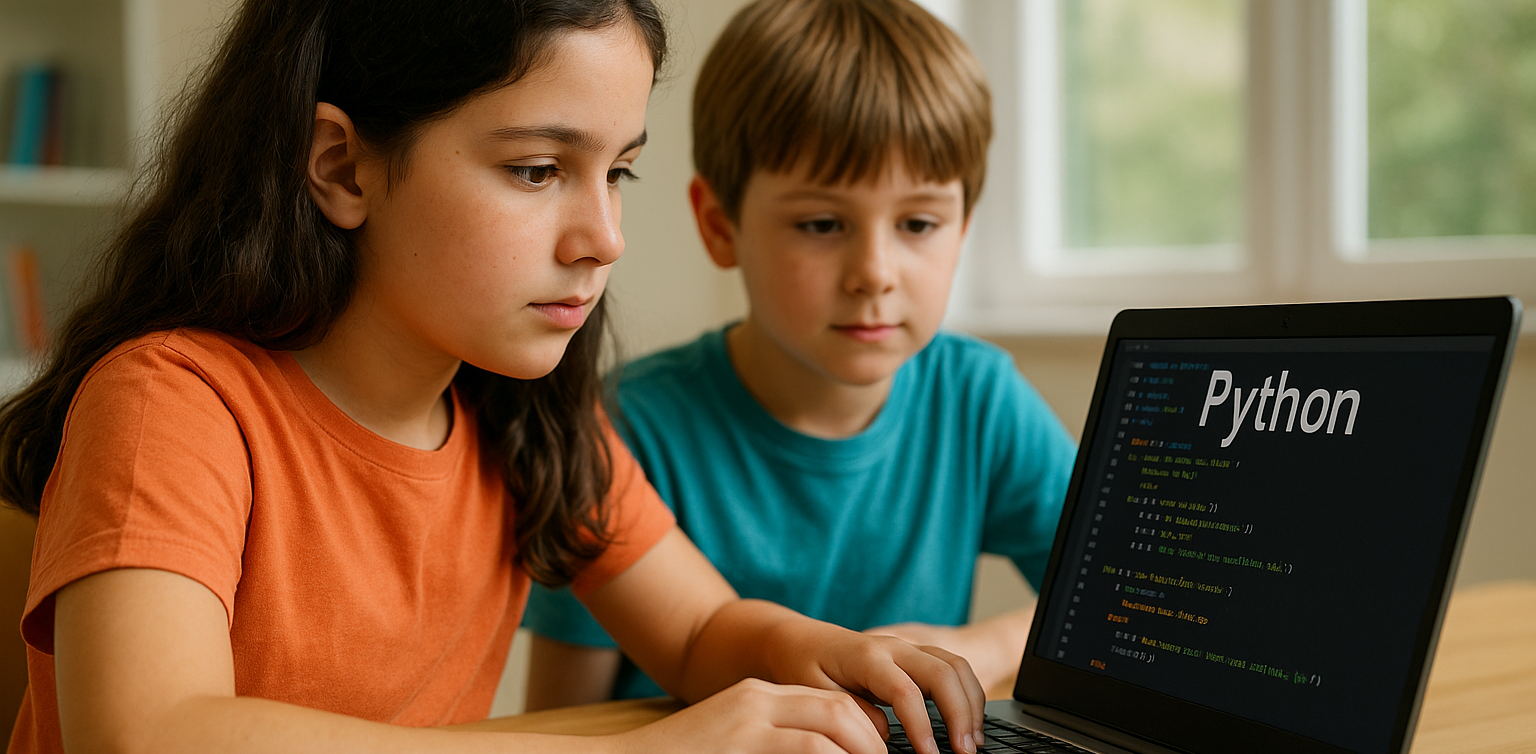
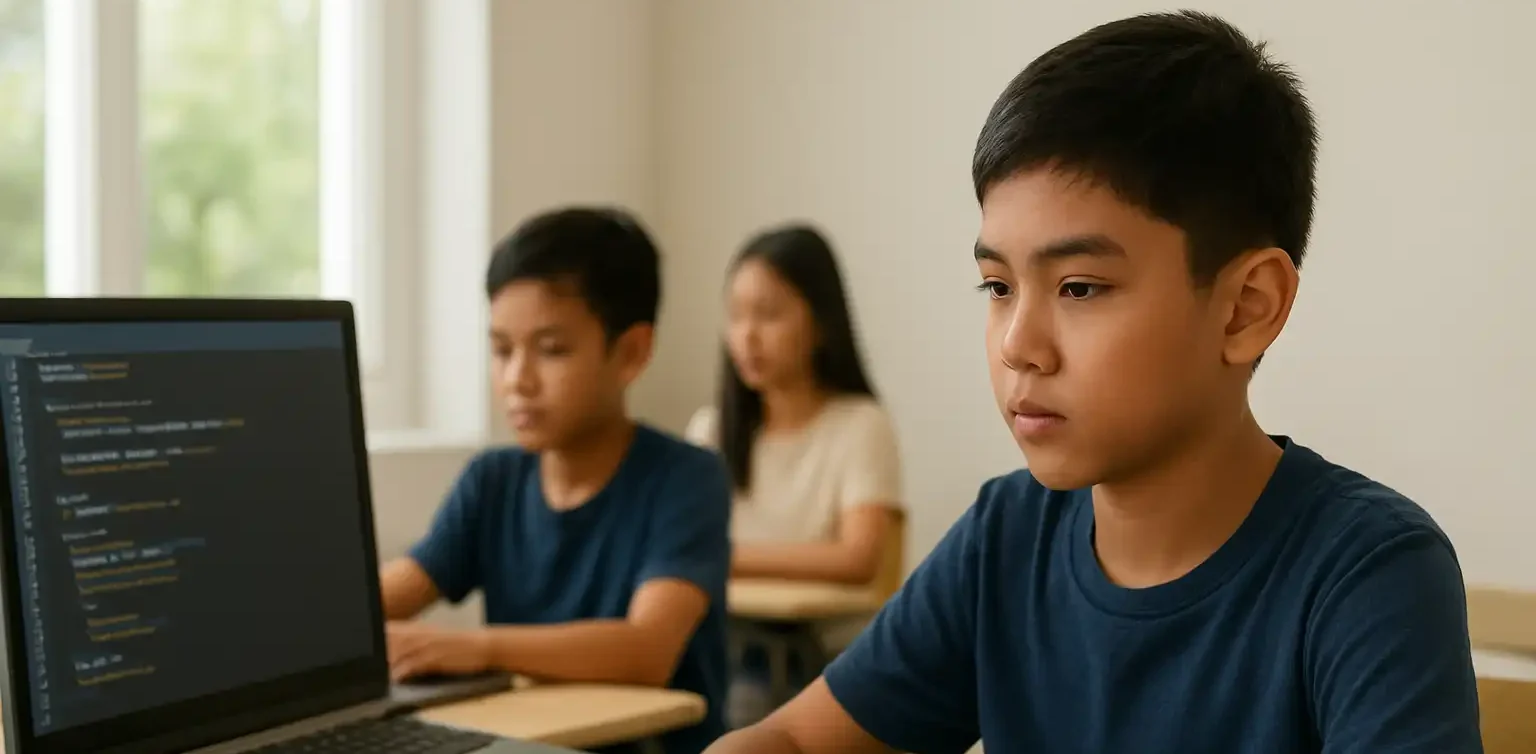
In 2025, programming has become one of the most important skills for children to learn. With the rise of digital education, more parents and educators are introducing coding at an early age. Among the many programming languages, Python stands out for its readability and beginner-friendly structure, making it an ideal language for young learners. Today, there are plenty of Python apps for kids that make learning fun, interactive, and suitable for different age groups.

These Python apps for kids are designed to simplify complex concepts and teach children how to think logically and solve problems creatively. Many of these apps use games, animation, and step-by-step challenges to help children build a strong foundation in Python coding. Whether your child is new to programming or already curious about how games and websites work, these apps will help them take their first steps into the world of technology.

Here are the 10 best Python apps for kids that you can explore in 2025!

10 Best Python Apps for Kids to Learn Coding in 2025

1. Tynker
python apps for kids

Focus: Learn Python through games and puzzles
Tynker is a highly recommended platform that offers a range of beginner to advanced courses, including Python. Its game-based lessons make learning Python enjoyable for kids and easy for parents to follow.

How to Use It: Kids can choose a Python learning path, solve challenges, and build their own mini projects with guided instructions and instant feedback.

2. CodeCombat

Focus: Coding adventure game with real Python code
CodeCombat combines learning with adventure. Kids control characters in a game by writing actual Python code. It’s one of the best Python apps for kids who enjoy storytelling and gaming.

How to Use It: Children choose their characters, learn spells (code), and battle through levels by solving real coding problems using Python.

3. Trinket

Focus: Write and share live Python code online
Trinket is a coding tool that allows kids to write, run, and share Python code directly from their browser without installing anything. It’s simple and ideal for beginners.

How to Use It: Children can explore beginner-friendly Python projects, experiment with code, and instantly see the output. Great for school use or homeschooling.

4. SoloLearn

Focus: Mobile learning app for Python basics
SoloLearn is a mobile app that provides bite-sized Python lessons. While it’s suitable for learners of all ages, kids who are in upper elementary or middle school can benefit from its beginner courses.

How to Use It: Kids can log in daily, go through short lessons, take quizzes, and interact with a global community of learners.

5. Pythonista (iOS Only)

Focus: Real coding in Python for iPad users
Pythonista is one of the more advanced Python apps for kids who are ready to try real-world coding environments. It features a full Python IDE on iOS.

How to Use It: Young learners can build small apps, run scripts, and explore how Python works on mobile devices. Best for kids with prior coding experience.

6. EduBlocks

Focus: Visual to text-based Python coding
EduBlocks bridges the gap between block-based coding and text-based Python. It is perfect for transitioning from platforms like Scratch to actual Python code.

How to Use It: Kids drag and drop visual blocks that automatically translate into real Python code, helping them understand syntax while building confidence.

7. PyGame

Focus: Build games using Python If your child loves gaming, PyGame is one of the most engaging Python apps for kids. It is a set of Python modules used to make video games, and kids can create their own projects from scratch.

How to Use It: Children can follow tutorials to build simple games such as pong or snake and then level up to more advanced interactive games.

8. Programming Hero

Focus: Gamified learning and storytelling in Python
Programming Hero teaches Python through colorful storytelling and missions. This makes it a great tool for children who enjoy visuals and creativity.

How to Use It: Kids complete quests and unlock achievements while learning Python concepts like variables, loops, and functions in a game-like environment.

9. Blockly for Python

Focus: Visual blocks to learn Python syntax
Blockly is a drag-and-drop visual coding app that helps kids learn the syntax of Python before they start writing the actual code.

How to Use It: Kids create Python programs by dragging and arranging blocks to represent Python code, gradually transitioning to actual text-based coding.

10. Timedoor Academy’s Python Course for Kids
Focus: Structured online classes with live mentorship
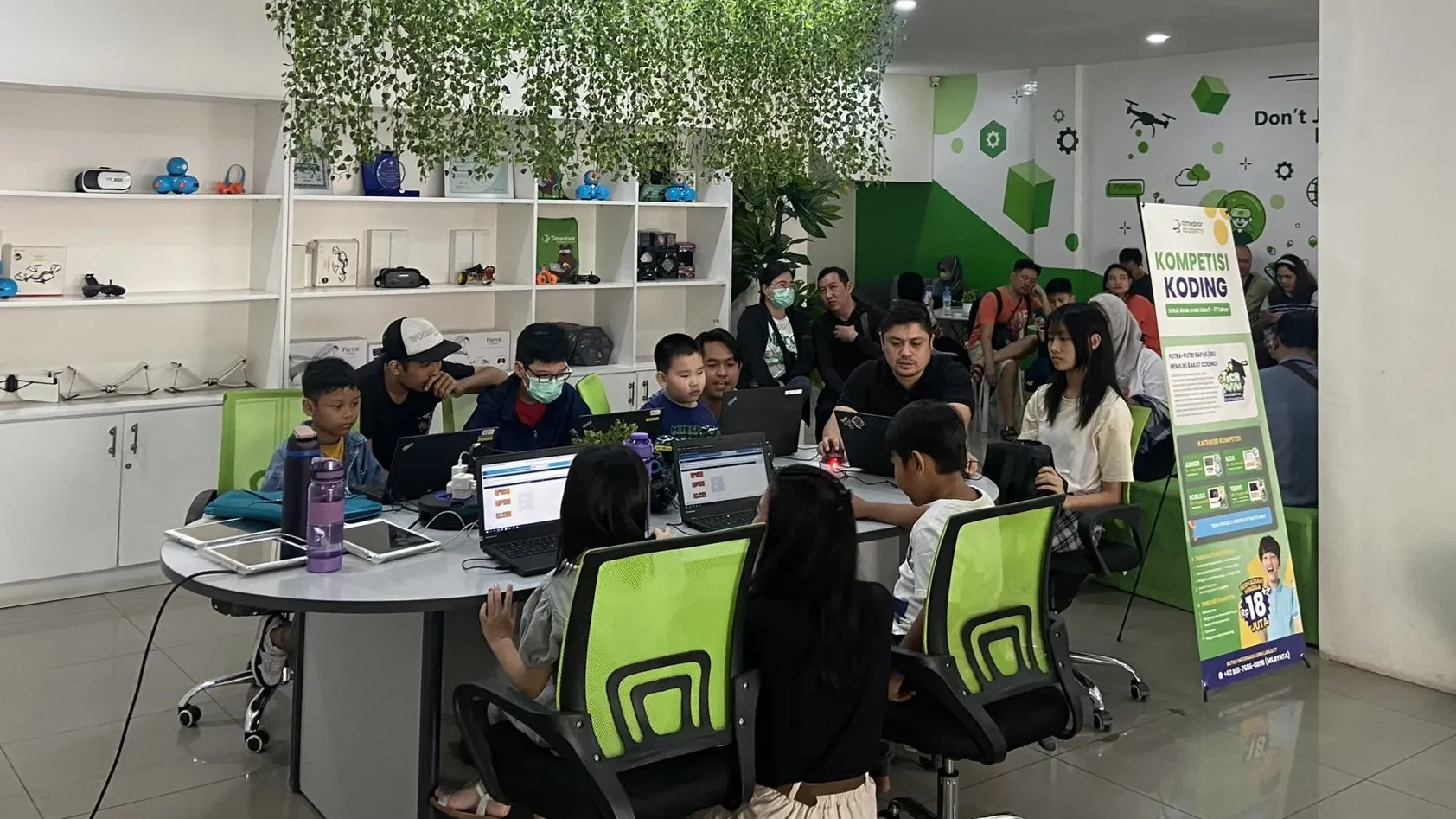
Timedoor Academy offers a fun and guided learning experience for kids who want to master Python. Lessons are designed by expert instructors who make programming fun and practical.

How to Use It: Kids can join a free trial class, explore Python basics, and build real projects such as games and animations with a mentor’s help.

Why Use Python Apps for Kids?

Python apps for kids are more than just learning tools. They are platforms that encourage curiosity, support creativity, and teach valuable skills in problem-solving, logic, and digital literacy. Unlike traditional learning methods, these apps allow children to experiment, make mistakes, and learn through interactive challenges.

Python also offers a clean and easy-to-read syntax, which makes it perfect for beginners. Many schools and educators now include Python in their curriculum because it provides a strong foundation for learning other programming languages and STEM subjects in the future.

By using Python apps for kids, your child can learn at their own pace, explore their interests, and even develop confidence in tech-related skills that may become essential in their careers later on.

Join a Free Trial with Timedoor Academy

Ingin tahu detail program? Image

Ingin tahu detail program?

Looking for a structured yet fun way to help your child learn Python? Timedoor Academy provides interactive online coding classes that are tailored for kids. With live mentorship and project-based learning, children can build their own games, websites, and animations while learning real Python skills.

Try a free trial class today and start your child’s coding journey with one of the best tech education platforms in Asia.

Keep Reading

5 Tips Developing Children Creativity with Technology: A Key to a Bright Future
Children are the future, and their creativity plays a significant role in shaping the world. In today’s rapidly changing digital age, technology has become a part of daily life. However, many parents worry about how to integrate technology into their children’s lives in a meaningful and productive way. One of the most impactful ways to do so is by developing children creativity with technology. When used correctly, technology can be a powerful tool for stimulating children’s imagination, fostering problem-solving skills, and enhancing their learning experience. This article will explore the importance of creativity in child development and how parents can harness technology to encourage creativity in their children. The Importance of Creativity in Child Development Creativity is not just about art or music; it is about the ability to think outside the box, solve problems, and adapt to new situations. In today’s world, where change happens rapidly, creativity has become one of the most valuable skills for success. Teaching children to be creative helps them approach challenges with confidence and resourcefulness, making them more resilient in the future. However, creativity does not develop on its own. It needs to be nurtured through experiences, guidance, and exposure to different ideas. One of the most effective ways to develop children creativity with technology is by using digital tools and resources to inspire imagination and innovation. How Technology Can Foster Creativity in Children There are many ways in which technology can be used to develop children creativity with technology. Here are some examples: 1. Digital Art and Design Apps Apps like Canva, Adobe Spark, and Tinkercad provide children with the opportunity to create their own designs, graphics, and 3D models. These apps not only teach children how to use technology but also allow them to express their creativity visually. This hands-on approach helps develop children creativity with technology, enhancing their skills in design and problem-solving. 2. Learning Coding and Building Projects Coding is one of the most valuable skills in the 21st century, and it is also a fantastic way to develop children creativity with technology. Through coding, children learn how to create games, apps, and websites, all while honing their problem-solving abilities. Platforms like Scratch, Code.org, and Blockly make learning coding fun and interactive, giving children the tools they need to build their own digital creations. 3. Making Animations and Videos Creating animations and videos is another excellent way to develop children creativity with technology. By using apps like Scratch or Kinemaster, children can craft their own stories, characters, and animations, which helps them develop storytelling and visual communication skills. These projects encourage creative thinking and give children the confidence to bring their ideas to life. 4. Music Creation with Technology Technology can also foster creativity in children through music. Apps like GarageBand allow children to create their own songs, learn how to play digital instruments, and experiment with different sounds. Developing children creativity with technology in this way helps them explore the world of music and understand rhythm, melody, and harmony, all while using digital tools. 5. Building Digital Content and Blogging Blogging and digital content creation also offer children a platform to express their creativity. They can write, make videos, and share their thoughts with the world. This process not only improves their writing and communication skills but also teaches them about digital literacy and the importance of creating positive, engaging content online. The Role of Parents in Guiding Technology Use While technology can be a powerful tool for developing children creativity with technology, it’s essential that parents play an active role in guiding their children’s use of it. Without proper guidance, children can easily get distracted or fall into the trap of mindless screen time. Parents should ensure that children use technology for productive purposes, such as learning new skills, engaging in creative activities, or collaborating on projects. Setting time limits, providing quality content, and engaging with children during their digital activities are important steps in ensuring that technology serves as a positive influence in their lives. Developing Children’s Creativity with Technology at Timedoor Academy At Timedoor Academy, we believe in the power of technology to enhance children’s learning experience. Our coding and technology programs are designed not just to teach technical skills but also to inspire creativity and innovation in children. Through fun, interactive lessons, we help children develop essential skills like problem-solving, teamwork, and digital literacy. By developing children creativity with technology, we prepare them for a future where technology plays a central role in almost every field. Our courses focus on providing hands-on learning experiences, ensuring that children are not just passive consumers of technology but active creators and innovators. The Power of Technology to Enhance Creativity In today’s world, developing children creativity with technology is not just an option but a necessity. Technology offers endless possibilities for children to explore, create, and innovate. As parents, it is our responsibility to guide children in using technology in a positive and productive way, so they can develop the skills they need to succeed in the future.At Timedoor Academy, we are committed to helping children harness the power of technology to enhance their creativity, develop essential skills, and prepare for the future. If you want your child to start learning and exploring the world of technology, we invite you to sign up for a free trial at Timedoor Academy and watch them grow into creative and confident digital creators.
Free Coding Classes: A Golden Opportunity for Kids to Learn Technology in 2025
Free coding classes have become an attractive option for parents who want their children to gain technology skills without spending a lot of money. In today’s digital era, the ability to code or program is essential to master from an early age. This article will discuss why free coding classes are highly needed, the benefits of learning coding from a young age, and how Timedoor Academy offers fun and easy-to-follow free coding programs for children. Why Are Free Coding Classes Important for Kids? Technology has become an essential part of everyday life, especially for children growing up in the digital age. Almost every activity, from learning to entertainment and communication, involves digital technology. Therefore, the ability to understand and use technology—especially coding—has become a mandatory skill that kids need to prepare for the future. Unfortunately, not all parents can afford the often high costs of coding courses. With free coding classes, kids from various socioeconomic backgrounds can enjoy the opportunity to learn coding. This helps open up more equitable access to technology education, so children are no longer held back by financial barriers and can gain important skills for their future. Additionally, free coding classes give kids a chance to familiarize themselves with a technology language that is continuously evolving and serves as the foundation for many future careers. By understanding coding early, children gain a competitive edge as they enter the workforce. Benefits of Learning Coding from an Early Age Learning coding is more than just writing computer programs. The process trains kids to think logically, systematically, and creatively when solving problems. Children who start coding early tend to have better problem-solving abilities because they’re used to breaking down complex problems into smaller parts and solving them step-by-step. Moreover, learning to code helps improve kids’ focus and patience. They must carefully follow step-by-step instructions to make sure their programs run correctly—an excellent habit that benefits them in many areas of life and education. Beyond technical skills, coding builds confidence because children can see the results of their own work, such as simple games, animations, or apps they create. This motivates them to keep learning and innovating. What Does Timedoor Academy Offer in Its Free Coding Classes? Timedoor Academy deeply understands the importance of coding education for children but also recognizes that cost can be a barrier for many parents. That’s why Timedoor Academy provides free coding classes designed specifically for kids, with easy-to-understand materials and an interactive, fun learning approach. These free coding classes don’t just teach basic theory like using block coding and logic; they also encourage kids to create simple, engaging projects. This means children don’t just learn theory—they get hands-on practice, which strengthens their understanding and makes learning more lively. The teachers at Timedoor Academy are professionals experienced in teaching children, so they deliver materials in a language kids easily grasp while creating a comfortable classroom atmosphere. Their kid-friendly methods make learning fun and keep children motivated. Besides free coding classes, Timedoor Academy also offers free trial classes for paid coding programs. These trial classes give kids and parents a chance to experience the teaching method and see if the program suits them before fully committing. How to Join Free Coding Classes at Timedoor Academy Joining Timedoor Academy’s free coding classes is very easy. Parents just need to register through Timedoor Academy’s official website. The registration process is quick and simple, so kids can immediately start learning according to flexible schedules that fit their and their family’s time. Moreover, Timedoor Academy provides responsive support during the learning process. So parents and kids don’t need to worry if they face any difficulties or have questions related to the material. The Role of Parents in Supporting Children’s Coding Learning Parental support plays a crucial role in the success of children learning coding. Parents can help by setting aside special time for kids to focus on coding and by accompanying them while working on coding tasks or projects. Furthermore, parents can discuss the material their kids are learning and how it applies in everyday life. This approach can increase children’s motivation and understanding, making them even more enthusiastic about learning. Parents should also remind children to balance their learning with enough rest so they don’t get tired or bored during the coding learning process. Starting Your Child’s Digital Future with Free Coding Classes Free coding classes provide the best opportunity for children to start learning technology without financial burden. By learning coding from an early age, children get used to thinking critically and creatively, as well as developing problem-solving skills that will be very useful in their future. Timedoor Academy offers fun and interactive free coding classes supported by professional teachers who are experts at teaching kids. Don’t let your child miss out on this valuable opportunity! Register your child now for free coding classes at Timedoor Academy and also take advantage of free trial classes available for paid programs. Give your child the essential digital skills needed to face an increasingly advanced and digital world. Visit Timedoor Academy’s website today and start a fun and rewarding coding learning journey!
5 Top Causes of Stunting in Children and How to Prevent It
Causes of stunting in children remains one of the most serious public health challenges globally. This condition not only affects a child’s height, making them shorter than their peers, but it also impacts brain development and long-term cognitive ability. To prevent this condition early, it is essential for parents and caregivers to understand the main causes of stunting in children and how to effectively address them. In this article, we will explore five key causes of stunting in children along with practical solutions that can support optimal growth and development. 1. Poor Nutritional Intake During Pregnancy One of the leading causes of stunting in children is inadequate nutrition during pregnancy. When a pregnant mother does not consume a well-balanced diet, there is a higher risk of giving birth to babies with low birth weight, which is an early factor that can lead to stunting. A fetus depends entirely on the nutrients the mother consumes. A lack of important micronutrients such as iron, folic acid, and calcium can hinder fetal growth. It is therefore crucial for expectant mothers to maintain regular check-ups and follow a nutritious, balanced diet from the beginning of pregnancy. 2. Inadequate Exclusive Breastfeeding Another common cause of stunting in children is the lack of exclusive breastfeeding during the first six months of life. Breast milk contains all the essential nutrients a baby needs, including antibodies that protect against infection. Babies who do not receive exclusive breastfeeding or who are introduced to complementary food too early are at higher risk of nutrient deficiencies that may affect growth. After six months, it is recommended to introduce complementary foods that are age-appropriate and nutrient-dense, while continuing to breastfeed. 3. Unbalanced Diet During Toddler Years After the breastfeeding stage, children need a daily intake of nutritious foods to support their growth. A frequent cause of stunting in children is an unbalanced diet that relies heavily on carbohydrates but lacks adequate protein, vitamins, and minerals. Children’s meals should include diverse food groups such as animal and plant-based proteins, vegetables, fruits, and energy sources like rice or tubers. Serving colorful and varied meals is a simple way to ensure that children receive the nutrients they need to grow optimally. 4. Frequent Infections and Poor Sanitation Repeated infections such as diarrhea, respiratory illness, and worm infestations are also major contributors to stunting in children. When a child is frequently ill, their body uses energy to fight off infections rather than to grow. This reduces nutrient absorption and may gradually impair development. Poor sanitation, unsafe drinking water, and lack of access to clean toilets increase the risk of infectious diseases. Families should ensure a clean living environment and teach children good hygiene habits, such as washing hands with soap before meals and after using the toilet. 5. Limited Parental Knowledge of Nutrition and Development A lack of awareness about nutrition and child development among parents is an indirect but significant factor contributing to stunting in children. Many caregivers are unaware of how to track their child’s growth or recognize early signs of nutritional deficiencies. Visiting local health centers, participating in parenting classes, or accessing online consultations with nutritionists can help improve parents’ knowledge. With the right information, parents can take preventive steps early and ensure their child grows up healthy and strong. How to Effectively Prevent Stunting in Children Stunting does not happen overnight. It is often the result of multiple contributing factors from pregnancy through the first two years of life. This period, known as the first 1,000 days of life, is critical for building a child’s foundation for long-term health and development. Some effective steps parents can take include: Eating a balanced diet during pregnancy Exclusively breastfeeding for the first six months Introducing nutritious complementary foods from six months onward Practicing good hygiene and maintaining clean living conditions Regularly monitoring child growth with healthcare professionals Public education on proper nutrition and sanitation must also be expanded so that every child has an equal chance to grow and thrive. Healthy Body, Healthy Brain, and Digital Skills Too Understanding the causes of stunting in children is the first step in making informed decisions about their well-being. Alongside proper nutrition and health care, it is also beneficial to introduce children to future-ready skills such as coding. Timedoor Academy offers fun, interactive online coding classes tailored for kids. These classes help develop logical thinking and creativity in a child-friendly environment. Try a free trial class now at Timedoor Academy!
float button