May 02, 2025

6 Best Free Coding Resources for Kids in 2025
6 Best Free Coding Resources for Kids in 2025 image

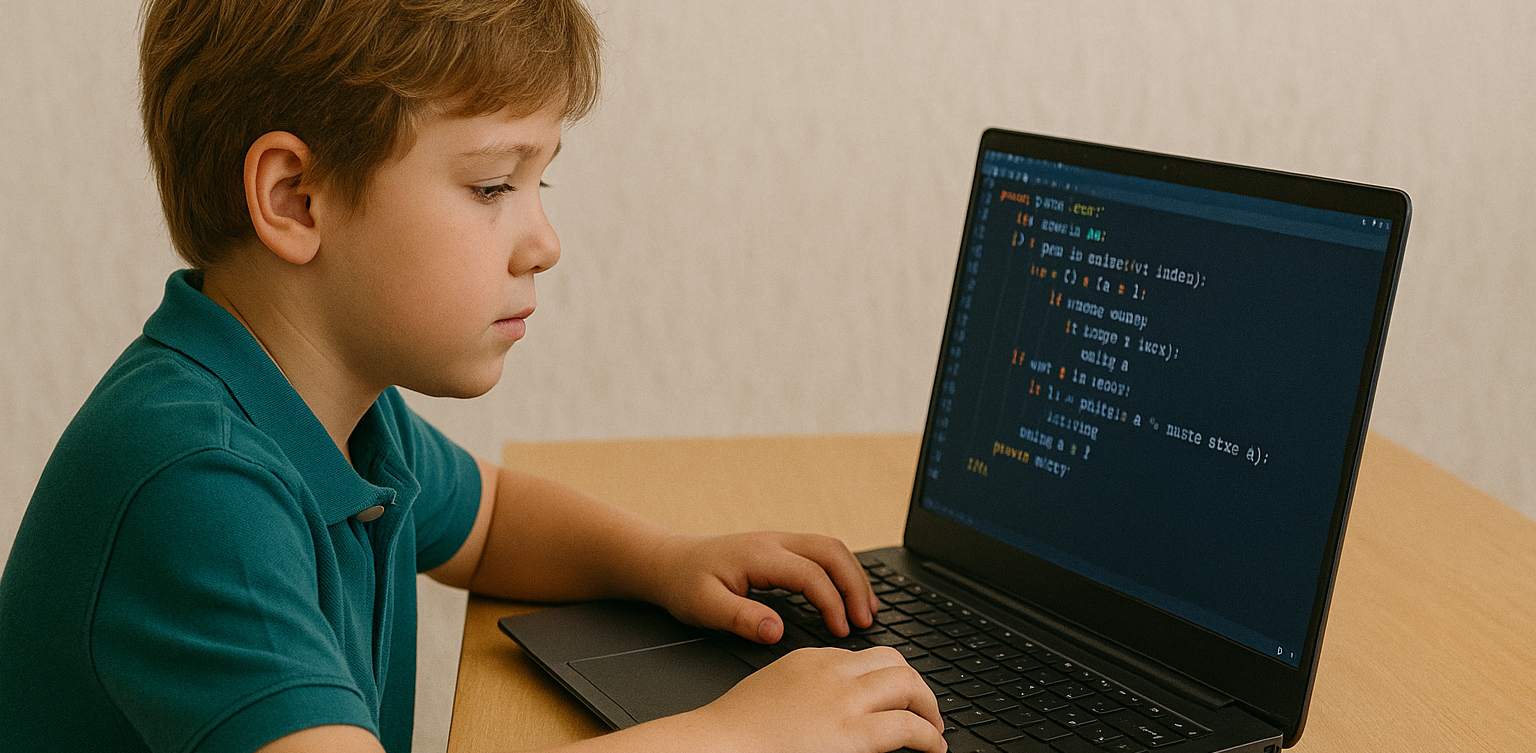
In today’s digital era, coding is becoming one of the most essential skills kids can learn for the future. It is not just about creating computer programs, but also about building logical thinking, creativity, and problem-solving abilities. Fortunately, there are now many free coding resources for kids that can be accessed easily from home.

For parents who want to introduce programming early on, this article shares a variety of platforms, apps, and websites that offer free, fun, and kid-friendly coding lessons.

Why Should Kids Learn to Code Early?

Learning to code is not only for those who want to become programmers. It helps sharpen important cognitive skills like critical thinking, persistence, and collaboration. In addition, coding teaches kids how to face failure and try again, as they learn to troubleshoot and improve their work.

Introducing coding at an early age also gives kids a chance to explore their interests in technology and create things they can be proud of, such as simple games, animations, or interactive stories.

What Makes a Coding Resource Kid-Friendly?

When choosing a free coding resource for kids, it is important to look for the following:

  • Clear, simple language that is easy to understand
  • Engaging and interactive visuals
  • Gradual, age-appropriate learning paths
  • Gamified elements to keep kids motivated
  • Safe and ad-free learning environments

Here are some great platforms and tools to try out.

6 Best Free Coding Resources for Kids in 2025

1. Scratch
free coding resources for kids

Scratch is an introductory coding platform developed by MIT for kids ages 8 and up. Using colorful code blocks, kids can create animations, stories, or interactive games without needing to write code.

Scratch encourages creativity and features a global community where kids can safely share their projects. It is also available in Bahasa Indonesia, making it even more accessible for Indonesian families.

2. Code.org

Code.org is one of the best free coding resources for kids worldwide. It offers a wide range of free courses with varying difficulty levels, from beginner to advanced. Kids can even learn with their favorite characters like Elsa from Frozen or Steve from Minecraft.

The platform also provides age-specific curriculums for elementary to high school students, with a fun, project-based approach.

3. Tynker
Tynker is another popular platform recommended for kids. While the premium version is paid, Tynker offers free access to several well-structured introductory modules.

Kids can learn basic coding concepts through games, build animations, and even get a taste of drones and robotics in a simplified way.

4. Khan Academy – Computer Programming

Khan Academy is widely recognized for offering free educational content, and its programming section is no exception. It provides beginner-friendly coding lessons, especially for older kids and teens who are starting to understand text-based programming logic.

The videos are interactive and well-paced, making Khan Academy a great choice for slightly more advanced learners.

5. Blockly Games

Blockly Games is a collection of educational games that teach basic coding concepts using block-based visual programming. It is perfect for kids who are just starting out and want to learn while having fun.

With a simple and functional interface, Blockly Games is a solid first step into the world of coding for elementary-aged kids.

6. Timedoor Academy

In addition to these global platforms, there is also a great local option: Timedoor Academy. Timedoor offers interactive online coding classes for kids, using a fun and structured approach guided by experienced instructors.

Timedoor Academy understands the unique needs of children potential. It tailors its lessons to local language, uses project-based learning, and provides flexible schedules. A free trial class is also available, making it easy for parents and kids to try it out before committing.

Tips for Supporting Kids Coding at Home

To make the most of your child’s coding journey, here are a few helpful tips for parents:

  • Be there to guide them when they try a new platform, especially younger kids
  • Set a regular learning schedule, like 30 minutes per day
  • Give small creative challenges, such as making a simple game or animation
  • Celebrate their achievements, no matter how small
  • Keep screen time balanced with physical and social activities

Ready to Start Coding from Home? Here’s the First Step:

Learning to code has never been more accessible, thanks to the growing number of free coding resources for kids. Parents can introduce programming in a fun, engaging way through platforms designed with kids in mind. But to make learning more structured and effective, it helps to choose the right method and guidance.

Ingin tahu detail program? Image

Ingin tahu detail program?

Timedoor Academy offers kid-focused online coding classes with a creative and organized approach. Led by experienced instructors and adapted to different age levels, Timedoor is ready to support your child’s coding journey. Try a free class today and help your child start learning to code from home in a fun and meaningful way.
Keep Reading

<strong>5 Effective Strategies on How to Improve Children’s Focus</strong>
5 Effective Strategies on How to Improve Children’s Focus
The ability to focus is one of the most important foundations of a child’s learning process. Children with good concentration skills tend to absorb information better, complete tasks more efficiently, and perform well both at school and in daily life. However, improving focus is not something that happens overnight. It requires strategy, patience, and consistency from parents. That’s why it’s essential to understand how to improve children's focus from an early age. Not all children are naturally focused. Some are more easily distracted, especially by noisy environments or digital devices. But with the right approach, children can gradually build their ability to concentrate. 1. Build a Consistent Daily Routine The first step in understanding how to improve children's focus is by creating a structured daily routine. A predictable schedule helps children know what to expect throughout the day. Setting consistent times for learning, playing, eating, and sleeping helps their minds prepare for each activity, reducing distractions and enhancing focus. Routines also give children a sense of safety and stability. This sense of order supports their ability to concentrate because their brains are not constantly adjusting to unpredictable changes. 2. Limit Digital Distractions Excessive screen time is one of the biggest obstacles to concentration. A practical tip on how to improve children's focus is by limiting access to gadgets like tablets, smartphones, or television, especially during study or family interaction time. Encourage children to engage in physical or creative activities like drawing, building puzzles, or reading. These types of play stimulate the brain and teach children to complete tasks without being distracted by fast-paced digital entertainment. 3. Introduce Mindfulness Activities Mindfulness isn't just for adults. There are now many child-friendly mindfulness techniques that support how to improve children's focus. These exercises include deep breathing, listening to natural sounds, or observing objects closely to help kids become more aware of the present moment. For example, ask your child to sit quietly and listen to the sound of rain or birds for one full minute. It may seem simple, but it can help strengthen their attention span over time. 4. Use Focus-Enhancing Games Games can be a fun and effective way to teach concentration. Puzzle-solving, matching games, memory cards, or board games like chess and snakes and ladders are excellent tools for building attention skills. These games teach kids to stay on one task, follow rules, and think ahead. Integrating these activities into your child’s routine is a proven method on how to improve children's focus while keeping it enjoyable. 5. Start with Simple, Age-Appropriate Tasks Small, manageable tasks help train a child’s ability to focus. Whether it’s tidying up their toys, watering plants, or helping set the table, these tasks are a great way to build responsibility and concentration. When exploring how to improve children's focus, assigning simple chores can go a long way. It teaches kids to stick with one task until it’s done. Celebrate their success with specific praise, like “You finished the puzzle all by yourself. That’s awesome!” to boost their motivation. Challenges in Building Focus It’s normal for young children to have short attention spans. That’s why parents must be patient and avoid comparing their children to others. Each child has a different rhythm when it comes to learning and focusing. If focus issues continue over a long period, consider consulting a child psychologist for further insights. However, most children benefit significantly from consistent routines and structured guidance at home. Final Thoughts: Focus Can Be Learned Improving focus is not a talent that children are born with, but a skill that can be developed. It benefits not just their academic performance but also their emotional regulation, problem-solving, and ability to work independently. Understanding how to improve children's focus allows parents to guide their kids toward a stronger mental foundation for the future. As a complement to focus training, coding classes can be a great tool. At Timedoor Academy, children can explore technology in an engaging and structured environment. Coding requires logic, patience, and attention, making it a powerful way to enhance your child's concentration. Try a free coding class today and unlock your child’s potential in the digital age.
7 Types of Robot Coding Suitable for Beginners
In today’s digital era, introducing children to technology is becoming increasingly important. One of the most engaging and educational ways to do this is through robot coding. This activity not only develops logical thinking but also fosters creativity, problem-solving skills, and teamwork. For parents, choosing the right robot coding tool for beginners is crucial. There are many options available, from simple to more advanced robots. To make the decision easier, let’s explore the benefits of robot coding, the types of beginner-friendly robots, and tips for choosing the most suitable option for your child. Why Choose Robot Coding for Beginners Robot coding is designed to help children learn programming interactively. Instead of only typing code on a screen, they can see how their commands make a robot move or perform specific actions. This makes the learning process more tangible and fun. Children become motivated to experiment because they immediately see the results of their code. For example, when they program a robot to move forward or avoid an obstacle, they witness how logic and commands shape real outcomes. This builds confidence and curiosity in young learners. Types of Robot Coding for Beginners Here are some beginner-friendly robots that children can easily explore: Line Following Robot This robot uses light sensors to follow a line on the floor. It is simple but effective for teaching decision-making based on conditions.   Obstacle Avoidance Robot Equipped with ultrasonic or infrared sensors, this robot avoids obstacles in its path. Children learn about basic if-else logic, which is fundamental in coding. Drawing Robot This robot can create patterns or drawings on paper. It is perfect for children who enjoy art, as they can combine coding logic with creativity.   Voice Controlled Robot A robot that responds to simple voice commands like “move” or “stop.” This helps children understand how machines interact with human input.   Dancing Robot Small robots that can be programmed to dance to patterns or music. It shows children that robot coding can be fun and expressive.   Sensor-Based Robot Robots equipped with light, temperature, or motion sensors that react to environmental conditions. For example, moving when motion is detected or turning on lights when it is dark.   Modular Robot Robots that can be reassembled and programmed with new functions. These encourage creativity and problem-solving by letting children design and rebuild their robots. With this wide selection, parents can choose robots based on their child’s interests. If the child enjoys art, a Drawing Robot is ideal. For those who love challenges, an Obstacle Avoidance Robot may be more suitable. Tips for Choosing Robot Coding Tools for Kids Match with Age Select robots appropriate for the child’s development stage. Younger children may benefit from block-based coding systems, while older ones can explore text-based coding.   Consider Child’s Interests Children who like creativity may prefer drawing robots, while those interested in problem-solving might enjoy sensor-based or obstacle avoidance robots.   Ease of Use A beginner robot coding kit should come with clear instructions, a user-friendly app, and ideally an active support community.   Prioritize Safety Ensure the materials are safe, durable, and suitable for repeated use by children. Long-Term Benefits of Learning Robot Coding Robot coding is not just a hobby. It builds a strong foundation for future skills. Children develop logical thinking, creativity, and perseverance, all of which are critical for success in the digital age. By experimenting with robots, kids also build resilience. If a program doesn’t work as expected, they learn to troubleshoot and try again, developing patience and determination. Parents can also participate in the process, making it a shared family activity that strengthens bonds while learning new skills. Learning Robots Coding Easier with Timedoor Academy Introducing children to robot coding at an early stage is a wise investment in their future. With the many beginner-friendly options available, each child can find a robot that suits their interests and learning style. If you are looking for a program that blends technology with creativity, Timedoor Academy offers interactive courses that can guide children step by step. Register your child now for a free trial at Timedoor Academy and discover how robot coding can be both an enjoyable and meaningful learning experience for their future.
<strong>5 Effective Ways on How to Deal with Children Addicted to TikTok</strong>
5 Effective Ways on How to Deal with Children Addicted to TikTok
How to deal with children addicted to TikTok has become an important concern for many parents in today’s fast-paced digital world. TikTok has quickly become a favorite platform among kids and teens, offering endless short-form videos that are entertaining and easy to access. It’s not uncommon for children to spend hours glued to their screens with little self-control. While it may seem like harmless fun, excessive use can lead to behavioral issues, loss of concentration, and declining academic performance. That’s why parents must understand and apply the right strategies early on before the habit turns into a more serious developmental issue. Why Do Kids Get Addicted to TikTok? TikTok is designed to serve continuous streams of personalized content. Its algorithm tracks user behavior to deliver videos that are highly engaging, making kids feel endlessly entertained. This makes it hard for them to stop watching or concentrate on schoolwork. Many children would rather scroll through TikTok than do homework or even play outside. This growing trend shows that how to deal with children addicted to TikTok is not just about limiting screen time but also about understanding the reasons behind their behavior. With the right approach, parents can redirect their children’s attention to healthier digital and social activities. 5 Effective Ways on How to Deal with Children Addicted to TikTok 1. Set Reasonable Screen Time Boundaries The first step in how to deal with children addicted to TikTok is establishing clear, reasonable screen time rules. For example, allow TikTok use only after homework is done and limit usage to one hour per day. Use parental control features if needed, and explain to your child why these rules are important. 2. Offer Fun and Engaging Alternatives Banning TikTok without providing alternatives will only frustrate your child. Instead, introduce fun activities such as outdoor play, painting, reading interactive stories, or making crafts. Filling their time with positive experiences is a smart move in how to deal with children addicted to TikTok so they won’t become overly dependent on their devices. 3. Have Open, Non-Judgmental Conversations Ask your child what they enjoy most about TikTok. Is it the humor, interesting content, or peer influence? Understanding their motivation helps you support them better. Keep the conversation open and empathetic, and involve them in setting healthy media habits. 4. Improve the Learning Environment at Home Many kids find home learning dull. Change your teaching style to make it more interactive using games, visual media, or hands-on activities. When children enjoy the learning experience at home as much as they do on TikTok, they’ll be more willing to engage. 5. Introduce Empowering Technology Activities Shift your child’s focus from passive content consumption to active digital engagement like learning coding. Not only is this stimulating and fun, but it also equips them with valuable skills for the future. This approach is a key part of how to deal with children addicted to TikTok by encouraging healthy, constructive interaction with technology. Try a Free Coding Class at Timedoor Academy Rather than cutting children off from the digital world entirely, it’s wiser to guide them toward meaningful and educational tech experiences. One great way to do this is through learning to code. At Timedoor Academy, children are introduced to technology in a hands-on way, helping them build logical thinking and self-confidence through age-appropriate real-world projects. You can sign up for a free coding trial class at Timedoor Academy to experience firsthand how fun and supportive learning can help your child grow. With a positive learning environment and guidance from professional mentors, your child can shift from passive scrolling to productive and empowering digital activities.
float button