Nov 07, 2025

7 Strong Steps to Prepare Your Child as a Generation of Technology Creators

7 Strong Steps to Prepare Your Child as a Generation of Technology Creators image

In today’s fast-paced digital era, understanding and creating technology has become one of the most essential skills for children. The world no longer only needs users of technology but also creators and innovators who can bring new solutions through digital creativity. That is why nurturing a generation of technology creators from an early age is a strategic step for parents and educators.

Technology is now a part of almost every aspect of human life. From communication and education to entertainment, everything relies on digital innovation. In this context, the role of technology creators becomes crucial in shaping a more advanced, creative, and sustainable future. Children who understand the fundamentals of technology from a young age will grow with stronger logical, analytical, and creative thinking skills.

1. Cultivating an Innovative Mindset from an Early Age
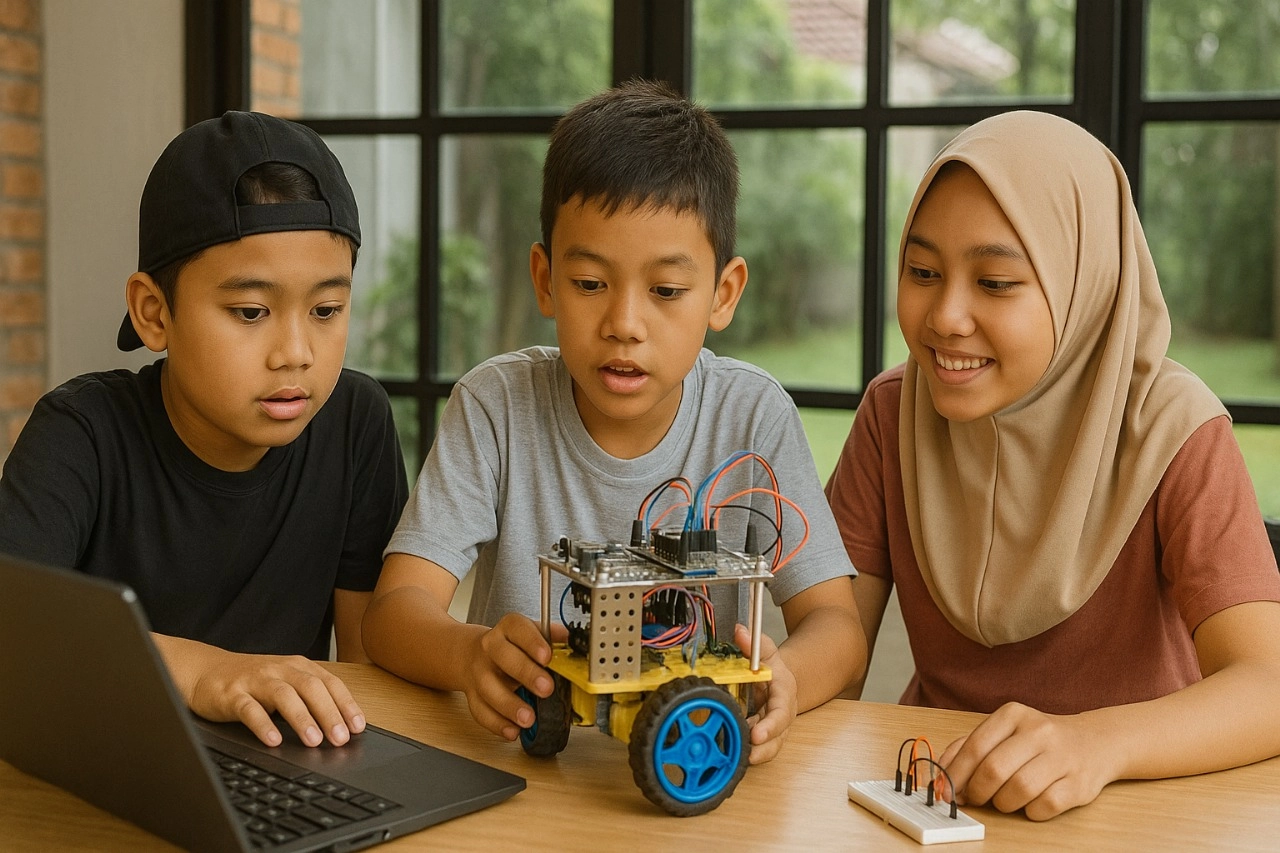
Generation of Technology Creators

The first step in developing a generation of technology creators is to instill an innovative mindset in children. Instead of merely using apps or playing games, children should be encouraged to understand how those technologies are built. Through activities such as coding, digital design, or simple experiments with software, children begin to think like creators rather than consumers.

This approach trains them to seek solutions, generate new ideas, and not fear making mistakes. The earlier children are introduced to the concept of creating technology, the greater their potential to grow into true innovators.

2. Strengthening Problem-Solving and Logical Thinking

One of the main benefits of building a generation of technology creators is helping children develop systematic thinking and logical problem-solving skills. In the world of coding, for instance, they learn how to arrange steps so that computers can execute commands correctly. This process fosters critical thinking, which is valuable in many areas of life.

Moreover, problem-solving activities teach perseverance and patience. Children learn that every mistake can be fixed through analysis and improvement, shaping a resilient and growth-oriented mindset.

3. Connecting Creativity with Technology

Many parents think technology is rigid and technical, while in reality, it can also be a powerful medium for creativity. Children who grow as part of the generation of technology creators can combine art and technology to produce unique works such as animation, digital music, or interactive games.

Through this creative approach, children learn that coding and design are not only about numbers and logic but also about imagination and self-expression. Technology provides them with the space to create something original and meaningful.

4. Building Early Career Readiness

Technology skills are becoming one of the key foundations of the future workforce. Professions in digital fields, such as software development, game design, and artificial intelligence, are in high demand. By developing a generation of technology creators, parents help their children gain a competitive advantage from an early age.

Children who grow up thinking in technological logic will adapt more easily to changes in the job market. They will not only be ready to face the future but also lead innovation that shapes it.

5. Teaching Digital Responsibility

Generation of Technology Creators

Being part of the generation of technology creators is not only about mastering technical skills but also about understanding the ethics behind technology use. Children should learn to create technologies that are useful, safe, and responsible for society.

Through balanced digital education, they will understand the importance of privacy, respect for others’ work, and using technology for positive purposes. This foundation helps them grow into innovators who are not only intelligent but also ethical.

6. Enhancing Collaboration and Communication Skills

In today’s technology-driven world, collaboration is the key to success. Building a generation of technology creators also means teaching children how to work in teams, exchange ideas, and value others’ opinions. Many technology projects require interdisciplinary teamwork involving developers, designers, and more.

Through collaborative activities, children learn that great innovations are not created by one person alone but through effective teamwork and communication. These social skills will become valuable assets in their academic and professional journeys.

7. Building Independence and Confidence

Generation of Technology Creators

Children who can create something from their own ideas develop high self-confidence. They learn that every idea, no matter how small, has the potential to grow. This is the essence of the generation of technology creators: children who dare to dream, think critically, and turn ideas into reality.

With the right support from parents and a positive learning environment, they will remain motivated to learn and innovate without limits.

How Timedoor Academy Helps Build a Generation of Technology Creators

Timedoor Academy understands the importance of nurturing children who not only use technology but also create it. Through project-based learning and guidance from professional mentors, students explore the world of coding, design, and digital innovation in a fun and interactive way. Every lesson is designed to develop logical thinking, creativity, and responsibility.

With a child-friendly approach, Timedoor Academy helps every student grow their curiosity and passion to become part of the generation of technology creators who will shape the future.

Take the First Step Today

Ingin tahu detail program? Image

Ingin tahu detail program?

The world of technology keeps moving forward, and the future belongs to those who can create, not just consume. Help your child become part of the generation of technology creators who are ready to face the challenges of tomorrow with confidence, logic, and creativity.Sign up your child for a free trial class at Timedoor Academy today and discover how digital learning can become an inspiring, safe, and meaningful experience.


Keep Reading

How to Choose Coding Course for Kids: A Step-by-Step Guide In 2025
In today’s digital era, coding is becoming a vital skill for children to learn early. Whether they are interested in games, animation, or just curious about how technology works, finding the right course can shape their learning journey. If you are wondering how to choose coding course for kids, this guide will walk you through the essential steps every parent should know. It covers what to consider, how to evaluate a course, and how platforms like Timedoor Academy make it easier than ever to get started. 1. Understand Your Child's Interests and Learning Style The first step in how to choose coding course for kids is to understand what motivates your child. Do they enjoy building things, telling stories, or playing logic games? A child who loves art might enjoy animation-focused coding, while one interested in tech may love learning how apps work. Choosing a course that connects to their personal interests makes it easier to keep them engaged and excited about learning. 2. Match the Course to Their Age and Skill Level Another important step in how to choose coding course for kids is making sure the difficulty fits your child’s current level. Younger children do better with visual tools like Scratch or Blockly, which help them understand basic logic without typing code. Older kids or those with some experience may benefit more from Python or JavaScript. Timedoor Academy provides coding programs grouped by age and ability, so children can learn comfortably at their own pace. 3. Look for Strong Curriculum and Project-Based Learning When exploring how to choose coding course for kids, the course structure matters. A good program should combine clear explanations with plenty of opportunities to build projects. Kids learn best by doing, so check if they’ll be creating apps, games, or animations. Timedoor Academy follows a project-based approach where each lesson builds toward a hands-on goal, helping children stay focused and feel proud of their work. 4. Decide Between Online or In-Person Formats Your child’s learning environment can impact their progress. As you consider how to choose coding course for kids, think about whether online or in-person learning works better for your family. Online courses are flexible and accessible from anywhere, while in-person classes may provide more direct support. Timedoor Academy offers live online sessions with real instructors and small class sizes, blending structure with flexibility. 5. Evaluate the Teachers and Student Support One of the key factors in how to choose coding course for kids is the quality of the teaching staff. Great instructors are not just skilled in programming—they also know how to communicate with children. Look for teachers who are patient, encouraging, and responsive. At Timedoor Academy, instructors are carefully trained to work with young learners and guide them with a friendly, easy-to-follow approach. 6. Try a Free Trial to See What Works Before making a commitment, it is helpful to try a class. This is one of the smartest ways in how to choose coding course for kids. A trial session lets your child experience the lesson format, meet the teacher, and decide if they enjoy it. Timedoor Academy offers free trial classes where children can explore coding firsthand, ask questions, and complete a mini project. This can be the difference between guessing and choosing a course with confidence. Ready to Begin Your Child’s Coding Journey? If you’re still wondering how to choose coding course for kids, the best way is to let them experience it. Timedoor Academy offers interactive and engaging online coding classes made for kids of all ages. With expert instructors, hands-on projects, and a flexible schedule, your child will not only learn coding but also grow in confidence and creativity. Sign up for a free class today and see how fun learning to code can be.
Bringing Tech Education To Potential Youth: J Trust Bank and Timedoor Academy Empower Orphans in Karangasem
Karangasem, April 27, 2025 – To support IT education for underprivileged children in Indonesia, PT Bank JTrust Indonesia Tbk (J Trust Bank) has partnered with Timedoor Academy, a tech education startup, to launch a Corporate Social Responsibility (CSR) initiative. The program, titled "IT Education for Underprivileged Children and Orphans" took place in Seraya Timur Village, Karangasem District, Bali, and reached 15 children aged 7–18 from orphaned and economically disadvantaged backgrounds. This initiative addresses the urgent need for IT education for underprivileged children who often face significant barriers such as poverty, limited educational infrastructure, and minimal access to technology. By equipping them with essential digital skills, J Trust Bank and Timedoor Academy aim to prepare these children for a brighter, more equitable future. Program Focus: IT Education for Underprivileged Children As part of their commitment to IT education for underprivileged children, J Trust Bank and Timedoor Academy designed the program around three key pillars: 1. Training of Trainers (ToT): This component equips local educators with both technical and teaching skills, enabling them to support and sustain tech education for potential youth in their communities. 2. Learning Management System (LMS) Access: Students gain access to a digital platform offering curriculum-aligned learning materials for elementary to high school levels, helping to provide structured IT education for underprivileged children that meets their developmental needs. 3. Ongoing In-Person Training: The children undergo 12 months of hands-on learning in coding and basic tech skills. This extended period reinforces the foundational goals of IT education for underprivileged children, building their confidence and digital literacy over time. J Trust Bank’s Commitment to Inclusive Digital Learning Ritsuo Fukadai, President Director of J Trust Bank, highlighted the importance of expanding IT education for underprivileged children to foster social equity. “As a Japanese company operating in Indonesia, we believe technological education must be accessible to all. This program is our step toward opening doors for orphans and underprivileged youth to reach their full potential,” Fukadai explained. This initiative is part of the bank’s broader mission to support sustainable, tech-driven social development in underserved areas. Timedoor Academy’s Role in Delivering IT Education for Underprivileged Children Timedoor Academy plays a vital role by offering a user-friendly LMS and relevant digital learning content tailored to the children’s educational levels. The academy also conducted training for local teachers to ensure continuity of IT education for underprivileged children even after the formal program concludes. Beyond delivering technical knowledge, Timedoor Academy encourages creative thinking, problem-solving, and independence—core values that enrich IT education for underprivileged children in today’s digital age. Positive Community Impact in Karangasem The response to the program was overwhelmingly positive. Children showed excitement and curiosity as they learned coding and created simple apps. Teachers who completed the ToT training appreciated the new methods and approaches offered by the program, enhancing their ability to deliver IT education for underprivileged children using technology. With the shared vision of “Creating a Bright Future for the Next Generation with IT Education,” this collaboration sets a precedent for future efforts in IT education for underprivileged children across Indonesia. It proves that meaningful change is possible when education and opportunity are made accessible to all.
<strong>The Phenomenon of Child Exploitation by Influencers: A New Parenting Challenge in the Digital Era 2025</strong>
The Phenomenon of Child Exploitation by Influencers: A New Parenting Challenge in the Digital Era 2025
In recent years, the rapid growth of social media has given rise to countless influencers with millions of followers. It has become increasingly common for these influencers to feature their children in content to gain more attention, likes, and financial benefits. However, this trend does not always have a positive impact. Child exploitation has become a growing concern, especially when children are used as tools to boost popularity or generate income online. This article takes a deeper look at the phenomenon of child exploitation by influencers, the potential effects on children's development, and the important roles of parents and society in addressing this issue. What Is Child Exploitation in the Digital World? Child exploitation in the digital era refers to situations where children are excessively used for content creation, economic gain, or popularity, without regard for their rights, comfort, or future. In the influencer world, child exploitation often appears in the following ways: Children are made the main stars in family content, pranks, or toy unboxing videos. Children’s private lives are continuously exposed to the public, sometimes including sensitive moments like anger, sadness, or other personal experiences. Children are asked to promote products, do endorsements, or follow trends that may not be appropriate for their age. The profits generated from this content are not used for the benefit of the child, or the child is never given a voice in these decisions. Why Is Child Exploitation by Influencers Such a Serious Problem? There are several reasons why child exploitation by influencers is a serious issue: Violation of Children’s RightsEvery child has the right to privacy, to grow and develop healthily, and not to be treated as a commercial object. When child exploitation happens on social media, these rights are often ignored in pursuit of popularity. Mental Health RisksExcessive exposure to the public eye can make children feel pressured, unsafe, or even anxious. Negative comments, online bullying, and the expectation to always be perfect can impact a child’s psychological development. Lost ChildhoodChildren who are constantly on camera, have to act for content, or are heavily involved in content production are at risk of losing out on natural moments of play and age-appropriate learning. Long-Term ConsequencesChild exploitation can affect a person well into adulthood. They may struggle to form their own identity, suffer from low self-esteem, or regret their digital footprint that has already spread widely. Warning Signs of Child Exploitation by Influencers Parents and society need to be vigilant about these warning signs: The child looks uncomfortable, forced, or often cries during filming. The child is made to do things that are not age-appropriate for the sake of content. All of the child’s activities are documented and shared publicly without limits. Parents seem more focused on views, likes, and comments than the child’s well-being. The child is never asked for their opinion about their participation in content. The Role of Parents: Setting Boundaries, Ethics, and Responsibility Parents play the most important role in preventing child exploitation in the digital world. Here are some steps that can be taken: Respect Privacy BoundariesNot every moment of a child’s life needs to be shared publicly. Respect their privacy, especially if they show reluctance or discomfort. Prioritize Mental HealthMake sure children do not feel pressured, are not overexposed, and have space to be themselves off-camera. Involve Children in DecisionsTalk to your child before making content together. Listen to their wishes and feelings. Educate About Digital RisksHelp your child understand the consequences of digital footprints, cyberbullying, and the long-term impact of online content. Focus on the Child’s NeedsIf content generates income, ensure the child’s rights are protected. Prioritize education, comfort, and development, not just popularity. Society and Policy Makers Have a Role Too Beyond parental responsibilities, society and policy makers must work together to address child exploitation. Governments need to strengthen regulations on child protection in the digital world, including rules on commercial content involving children, transparency in managing a child’s earnings, and education for both influencers and parents. The public can also help by raising awareness or speaking up when they see content that involves child exploitation. A supportive environment is crucial to ensure this trend is not normalized or justified as mere entertainment. Teaching Children Boundaries in the Digital Era It is also important for parents to help children understand their own rights and boundaries online. Include them in discussions about what is appropriate to share on social media, and encourage them to say no if they ever feel uncomfortable. This helps children grow up with confidence and a healthy sense of self-protection from an early age. Protect Children Wisely and Build Digital Skills Child exploitation by influencers is a real challenge in the digital age that cannot be ignored. Parents, society, and policy makers need to work together to protect children from excessive exposure and pressure online. Always put children’s rights, well-being, and future first. In addition to limiting children’s exposure on social media, parents can equip their children with positive skills that are relevant for the digital era, such as learning to code. By joining coding classes at Timedoor Academy, kids can nurture their creativity, develop logical thinking, and explore technology in a fun and safe way, without needing to be in front of the camera. Sign your child up for a free trial class at Timedoor Academy so they can experience engaging, educational coding lessons that build confidence. Let’s make social media a platform for education and creativity, not a tool for child exploitation in the name of popularity.
float button