Aug 29, 2024

Can Screen Time be Educational Learning for Kids? Coding Course Could Be The Answer.
Can Screen Time be Educational Learning for Kids? Coding Course Could Be The Answer. image

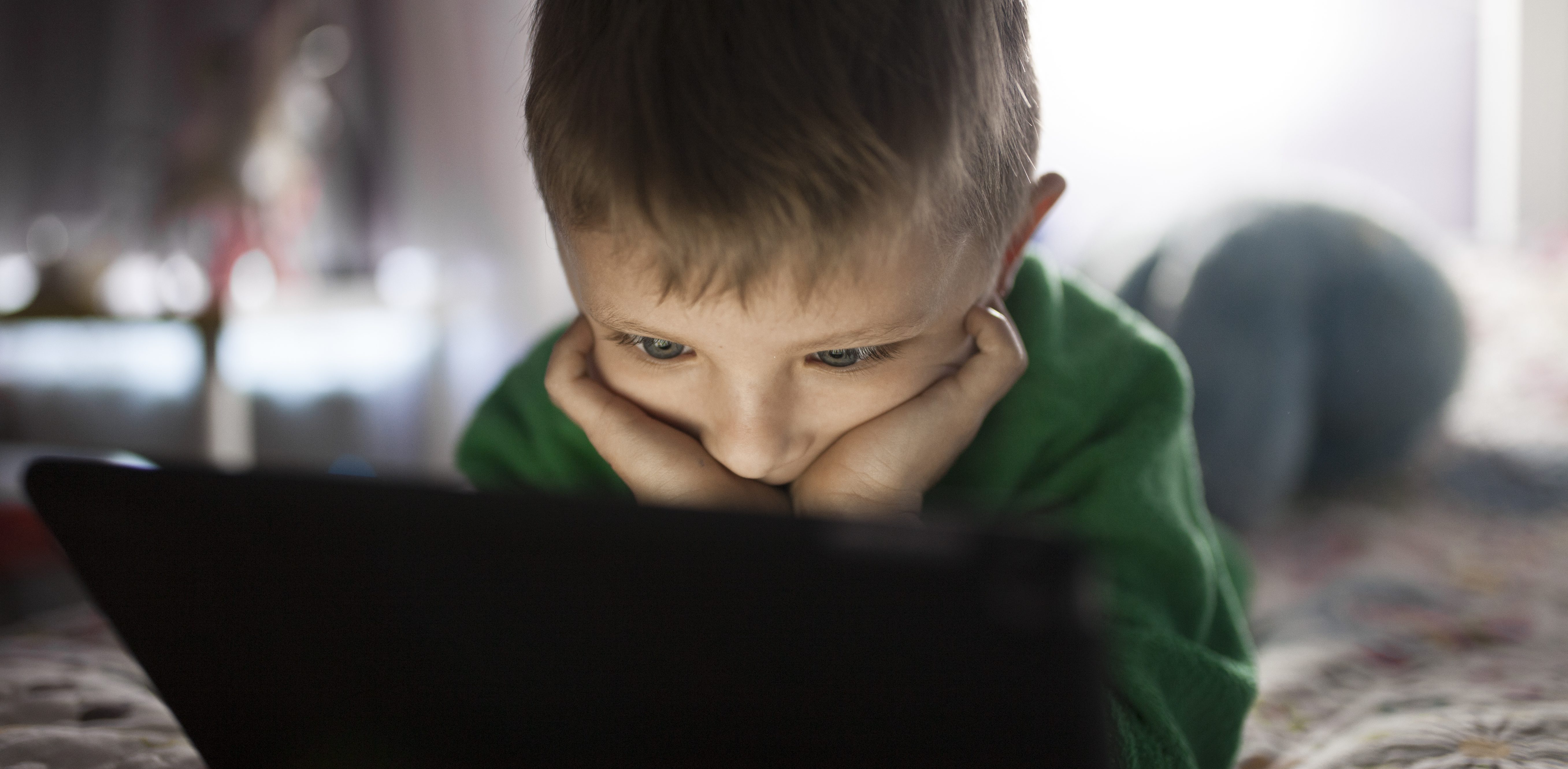
Allowing kids to have digital devices is important for several convenience reasons, but excessive or uncontrolled screen time can have negative impacts. Parents are getting confused about how to control it and whether they should take away the devices or try an innovative way and make screen time be educational learning for kids.


Understanding Screen Time

In general, screen time is a term used to describe the amount of time spent using and looking at electronic screens, such as mobile phones, tablets, laptops, or televisions. 

Current Concern about Screen Time

In recent years, digital devices have become an integral part of our daily lives of all ages, including even children. While these technologies offer educational and entertainment benefits, their widespread utilization has sparked both enthusiasm and concern. To better understand the impact of screen time, it’s crucial to differentiate between passive and active screen time.

Passive screen time typically involves spending on time-consuming content without significant interaction. An example would be like watching a TV show or a movie, where you mostly just sit and watch. On the other hand, active screen time requires more engagement. It requires kids to think and participate while using screens, such as playing educational games or creating digital art.

Parents generally don’t want their children to spend excessive time on screen, especially in a passive and unproductive way. While some passive screen time is not inherently harmful, too much can potentially hinder a child’s development. The rationale behind this is it does not necessarily engage a child’s mind as actively as other activities.


Screen Time be Educational

Learning in The Digital Age

As a result, involving children in interactive educational screen time content can allow them to develop digital literacy skills that are essential and can be useful in the future. Nowadays, many educational games and apps are designed to enhance skills that are valuable in both academic and real-world contexts. Early positive exposure to the digital world can be critically advantageous in preparing children for future careers in an increasingly technology-driven job market.

Coding Learning for Children

Among the various forms of active educational screen time, one area that has gained significant attention and importance in recent years is coding education for children. Coding skills have a rise in prominence due to the increasing digitalization of society. It is one of the ways to make screen time educational learnings for kids. 

Coding requires children’s constant engagement and active involvement to ensure their programs function correctly. If a program doesn’t run correctly, they must identify and fix the issue which needs a cycle of continuous learning and improvement. Besides, kids will gain a deeper understanding of how digital technologies work by learning to code, making them more informed and capable technology users. 

Thus, learning to code offers children a transformative way to engage with technology, turning the usual passive screen time into an active, creative, and intellectually stimulating experience. Another purpose is to shift them from being mere consumers of digital content to becoming active creators. With coding, screen time becomes an opportunity for growth and eventually, screen time be educational learning for kids.


Read Our Other Articles:

Benefits of Coding: How Can Children Overcome Challenges Through Coding?

Adaptive Theme in iOS native


Benefits of Coding as Educational Screen Time

screen time be educational

Throughout the process, kids will get used to having more productive and educational screen time and it could lead to an enhancement of kids’ skills that will benefit them both now and in the future. Continuous challenges arise on the coding projects creating a dynamic platform for acquiring new skills and thrilled to have a sense of accomplishment. 

Cognitive Development

Programming has a process that needs to be assessed carefully. A mistake in coding will affect the result directly and cause the code not to work appropriately. Coders are required to think and pay attention so that they can learn and point out where the mistake is located as well as how to solve it. They need to break down their written code so that the visual results are as expected. Hence, they are going to learn, think, and take action based on reasons.

Creativity

In coding, they learn to create and realize their expected imagination through code, empowering them to bring their ideas to life in the digital realm. By creating games, animations, or interactive stories, children engage in a hands-on learning experience that is only limited by their imagination. Moreover, they learn to translate abstract concepts into function code, developing problem-solving skills and logical thinking in the process. 


Preparation for Future Careers

In today’s rapidly evolving world, adaptability is crucial and this principle applies to a larger aspect. Nearly every industry is undergoing digital transformation nowadays, making digital literacy a fundamental requirement across various fields. The ability to understand digital technologies is no longer just an advantage skill but it become a fundamental requirement to staying relevant and competitive in the modern workplace.

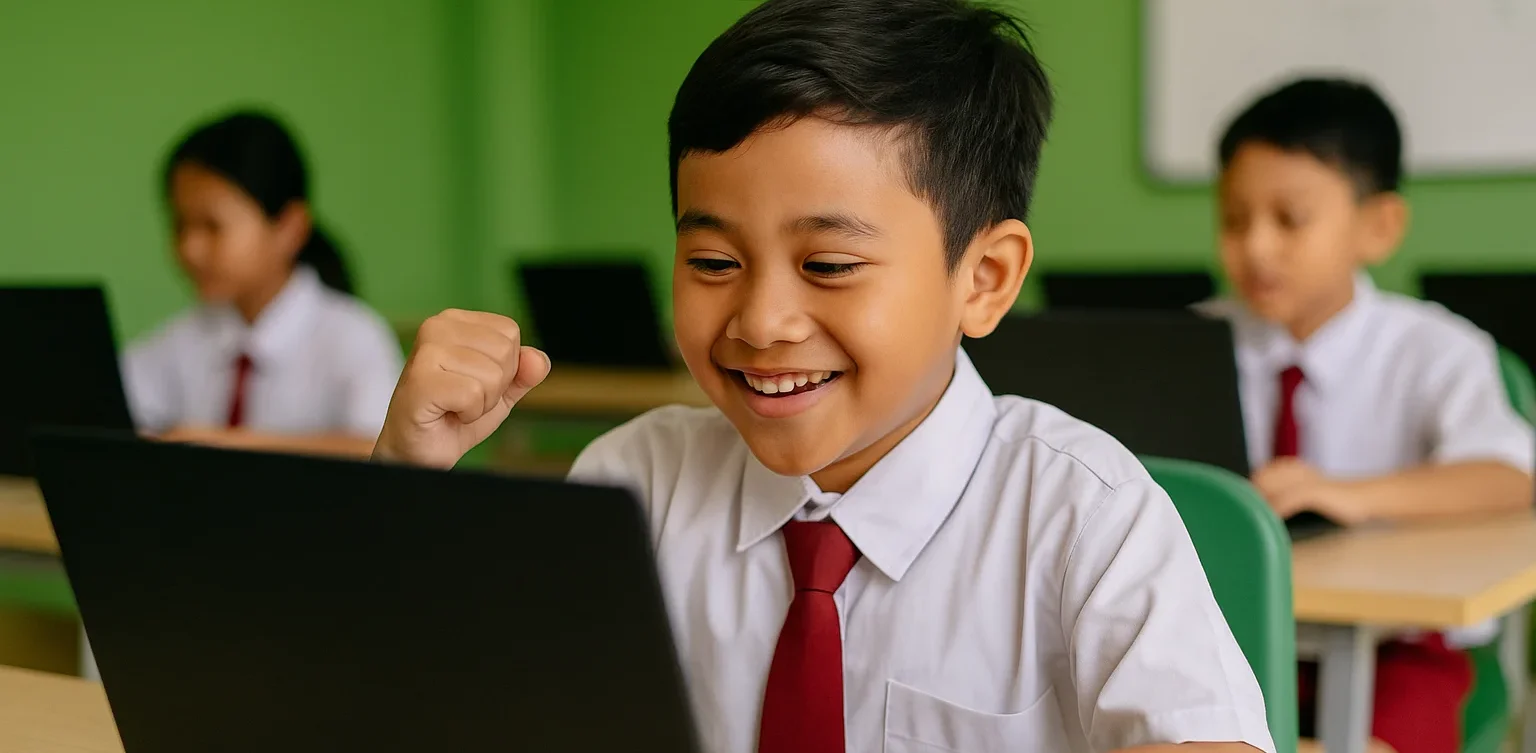
Coding allows children to know more about the modern world and even gives them more opportunities to have a wider job market. Valuable skills gained from learning coding are transferable and applicable to other realms, which benefits various aspects of life and work. Hence, coding is a way to make screen time be educational learning for kids. Writing code can be presented as an interactive and productive activity, making educational screen time more appealing to kids.


Guide Children’s Growth in A Positive Education Context

Unleash your children’s capabilities and cultivate their analytical abilities through our innovative coding classes. Transform screen time be educational learning opportunities with Timedoor Academy, serving as your children’s entrance to the exciting technology realm. We provide coding courses to empower the next bright generation. At Timedoor, expert educators offer dynamic lessons that easily transform challenging concepts into entertaining experiences for children, making educational screen time not just beneficial but truly engaging.

Join our free trial class and witness your child’s thrill with future technology innovation.

Check out Timedoor Academy‘s site for further information.
Keep Reading

Cara Membuat Game di Roblox untuk Anak-Anak
How to Create a Roblox Game for Kids: Easy Guide
Roblox is a fantastic platform that allows kids to create, play, and share their own games. Learning how to create a game in Roblox can be a rewarding and fun experience for children, helping them develop creativity and basic coding skills. In this easy guide, we’ll walk you through step-by-step how your child can start creating their very own Roblox game. Creating Roblox Game For Kids Step 1: Setting Up Roblox Game Studio For Your Kids To create games, kids first need Roblox Game Studio. Here’s how to set it up: Log in to your Roblox account. Go to the Roblox Studio website and click on "Start Creating." Follow the simple instructions to install Roblox Studio on your computer. Step 2: Choose a Roblox Game Template For Your Kids Roblox Game offers several easy-to-use templates to help beginners: Open Roblox Studio. Select "New," and then choose a template like "Obby" (Obstacle Course) or "Baseplate." Step 3: Customize Your Roblox Game For Your Kids Encourage your child to personalize their roblox game: Drag and drop different objects from the Toolbox. Click objects to move, rotate, or resize them. Customize colors and textures to make the game visually appealing. Step 4: Add Simple Roblox Gameplay Elements For Your Kids Make the roblox game interactive: Add checkpoints or obstacles in an Obby game. Use scripts from the Toolbox to easily add functionality. Test the game frequently by clicking the "Play" button at the top. Step 5: Publish and Share Your Kids Roblox Game Once your roblox game is ready, follow these simple steps: Click "File" then select "Publish to Roblox." Enter a fun and descriptive name for the game. Choose settings like visibility (Public or Private). Click "Create" to publish your game. Tips for Kids Creating Roblox Game Start simple: Create a basic game and gradually add more features. Explore tutorials: Roblox provides great beginner tutorials. Experiment: Don’t be afraid to try new things Start Your Kids Roblox Game Journey Today! Creating Roblox games is an excellent way for kids to express creativity while learning valuable skills. Follow our simple steps and your child can easily build their first Roblox game today. Want more learning experiences? Timedoor Academy offers free classes to help your kids dive deeper into coding and game design. Join the Free Trial Class now and keep the fun going!
30 Best! Nintendo Switch Games for Kids in 2025
The Nintendo Switch has become one of the most popular consoles among children and families. Thanks to its flexible and user-friendly design, there is a wide range of nintendo switch games for kids available. More parents are now selective in choosing games that are not only fun, but also educational, safe, and age-appropriate. In this article, we share 30 recommended nintendo switch games for kids in 2025. These games are curated to suit various age ranges, from toddlers to pre-teens, and offer a balance of entertainment and learning value. 1. Animal Crossing: New Horizons Introduces children to independent living, island management, and teaches responsibility and creativity. 2. Super Mario Odyssey A classic adventure filled with light challenges and vibrant visuals for kids aged 6 and above. 3. Yoshi’s Crafted World One of the most visually creative nintendo switch games for kids, featuring hand-crafted art and simple gameplay. 4. Mario Kart 8 Deluxe Colorful racing fun and healthy competition, ideal for family play. 5. Pokémon Scarlet & Violet Encourages exploration of a fantasy world and strategic thinking through Pokémon battles. 6. Just Dance 2025 Combines music with physical movement, perfect for family entertainment and fitness. 7. Kirby and the Forgotten Land A vibrant platformer with adorable characters, suitable for kids aged 5 and above. 8. Crayola Scoot A racing and coloring game ideal for kids who love to express themselves visually. 9. Luigi’s Mansion 3 A light puzzle adventure great for kids with big imaginations. 10. Mario + Rabbids Sparks of Hope A fun strategy game featuring quirky characters and an engaging story. 11. Captain Toad: Treasure Tracker Light puzzle and exploration gameplay that strengthens logic and focus. 12. Pikmin 4 Teaches teamwork, strategy, and decision-making in a fun, nature-inspired world. 13. Snipperclips: Cut it Out, Together! A cooperative game that promotes communication and problem-solving. 14. Donkey Kong Country: Tropical Freeze A challenging yet exciting classic platformer for kids aged 7 and up. 15. Minecraft One of the most popular nintendo switch games for kids, encouraging creativity, exploration, and logical thinking. 16. Splatoon 3 A non-violent shooter that emphasizes color, creativity, and healthy competition. 17. Story of Seasons: Friends of Mineral Town Ideal for kids who want to learn about farming and rural life in a playful way. 18. Big Brain Academy: Brain vs. Brain A brain-training game that’s both fun and educational for the whole family. 19. Pokémon Let’s Go Pikachu / Eevee A lighter, more accessible Pokémon game perfect for beginners. 20. New Super Mario Bros. U Deluxe A classic platformer that supports up to 4 players at once. 21. Clubhouse Games: 51 Worldwide Classics A global collection of traditional games that boost logic and concentration. 22. Nintendo Switch Sports Offers virtual sports activities such as bowling, tennis, and soccer. 23. Ring Fit Adventure Combines exercise with RPG gameplay, ideal for physically active kids. 24. Tetris 99 A modern take on the timeless puzzle game. 25. Cooking Mama: Cookstar A fun cooking simulation game that introduces kids to simple recipes. 26. Paw Patrol: Mighty Pups Save Adventure Bay Tailored for toddlers and preschoolers, based on the popular cartoon series. 27. Hello Kitty Kruisers A cute racing game featuring Hello Kitty characters, safe for young kids. 28. My Universe: School Teacher A simulation game that lightly teaches children about school and education. 29. Animal Hospital Builds empathy and responsibility by caring for virtual animals. 30. LEGO City Undercover A light open-world game with humor and fun missions in a LEGO universe. Tips for Choosing Nintendo Switch Games for Kids When selecting nintendo switch games for kids, parents should check the ESRB age rating, game content, and whether the game supports cooperative play. Avoid games with excessive violence and opt for ones that promote social interaction, creativity, or learning. Equally important, playing games with your child helps strengthen your bond and allows you to monitor the content together. Learning Through Play: A Healthy Alternative with Coding With all the nintendo switch games for kids above, parents now have many safe, educational, and age-appropriate options. But instead of just playing, kids can also learn how games are created, making screen time more meaningful. At Timedoor Academy, children can learn how to build their own games through fun and structured coding classes. With an international curriculum and project-based learning, kids develop logic, creativity, and confidence. Sign your child up today and enjoy a free trial class at Timedoor Academy.
5 Top Tips How to Teach Discipline to Children
Teaching discipline is not an easy task, especially when it involves children. However, discipline is a crucial life skill that shapes a child's future in terms of responsibility, self-control, and decision-making. That is why understanding how to teach discipline to children from an early age is an essential step for every parent. Discipline does not mean punishment. On the contrary, it is a process of guiding children to understand right from wrong and helping them take responsibility for their actions. Children who grow up with healthy discipline tend to be better at managing their emotions, completing tasks, and building strong social relationships. Why Discipline Matters for Children Discipline plays a major role in character development. Children who are raised with consistent discipline are more likely to follow rules, respect time, and understand the difference between desires and responsibilities. These are the building blocks of independence and accountability. Moreover, by understanding how to teach discipline to children, parents can avoid parenting styles that are either too strict or too permissive. A balanced approach, combining warmth and clear boundaries, is key to shaping positive behavior. Effective Strategies to Build Discipline Here are some effective ways parents can apply discipline at home: Set Clear Rules from the StartChildren need to know what the house rules are. For example, bedtime routines, screen time limits, or daily chores. Use simple and age-appropriate language. Be ConsistentOne of the most common mistakes in how to teach discipline to children is inconsistency. If rules are only enforced occasionally, children will be confused and may start testing boundaries. Consistency helps them understand that rules apply all the time. Use Logical ConsequencesDiscipline should be constructive, not harsh. For example, if your child leaves toys scattered, the consequence could be not playing until they are cleaned up. This teaches cause and effect. Use Positive LanguageAvoid saying “Don’t be naughty” or “You always misbehave.” Replace these with “Let’s try again the right way” or “Can you show me how you listen?” Encouraging language boosts confidence and cooperation. Lead by ExampleChildren learn by watching. If parents are disciplined with time, responsibilities, and emotions, children will likely follow. That is why being a role model is an important part of how to teach discipline to children. Challenges in Disciplining Children Of course, the process will not always be smooth. There will be times when children test limits or throw tantrums. In such moments, it is important for parents to remain calm and avoid reacting in anger. Discipline is a long-term process, not a quick fix. Another challenge is that every child is different. Some are naturally easygoing, while others may be more strong-willed. This means that how to teach discipline to children should be tailored to each child’s personality. A personal approach is often more effective than using the same method for every child. Extra Tips for Building Discipline Create a daily routine and involve your child in planning it Use visual tools like chore charts to keep track of progress Celebrate small successes with encouragement or praise Involve your child in conversations about mistakes to help them reflect and grow With consistency and patience, parents can succeed in teaching discipline. Children who learn to manage themselves early are better prepared for school, friendships, and life challenges ahead. Final Thoughts: Discipline Builds the Future Discipline is not about control, but about guidance. Children raised with healthy discipline are more likely to succeed academically, socially, and emotionally. Though the journey takes time, the results are worth it. As a complement to character development, many parents today are introducing children to logical thinking through coding. At Timedoor Academy, kids can learn coding in a fun and age-appropriate way. It is not just about tech skills, but also about building focus, patience, and persistence — values that go hand in hand with discipline. Try a free coding class at Timedoor Academy and watch your child grow through learning!
float button