Jul 08, 2025

What Is Fatherless? 5 Overlooked Effects on Children in 2025

<strong>What Is Fatherless? 5 Overlooked Effects on Children in 2025</strong> image

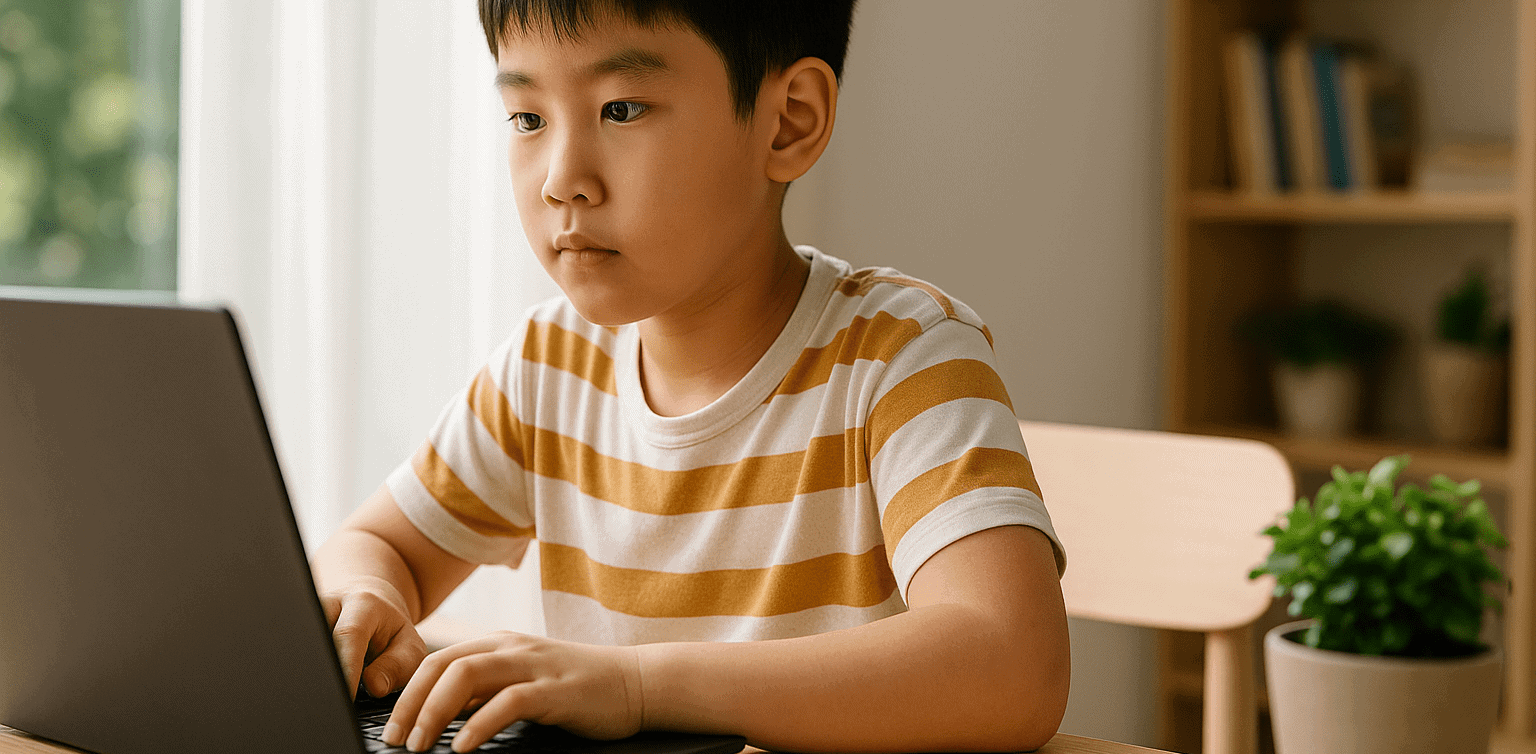
Many parents still don’t fully understand what is fatherless or how deeply it can affect a child’s development. At its core, fatherless describes a situation where a child grows up without the presence or meaningful involvement of a father figure. This isn’t limited to cases where the father is physically absent. It also includes situations where the father is emotionally unavailable or disengaged, even if he’s living under the same roof.

As modern life becomes busier and family structures more complex, the number of children growing up without an engaged father figure continues to rise. Yet because there’s often a lack of awareness around what is fatherless, its impact is frequently underestimated. In reality, it can influence nearly every aspect of a child’s life — emotionally, socially, and academically.

Here are five real and often overlooked effects of what is fatherless that every caregiver should be aware of:

1. Emotional and Behavioral Instability

What Is Fatherless

Children without consistent involvement from a father figure may struggle with emotional regulation. They can become more sensitive, withdrawn, anxious, or quick to anger. A lack of emotional guidance and security can leave children unsure of how to process big feelings. Understanding what is fatherless helps parents recognize these early signs and provide support before they grow into larger issues.

2. Low Self-Esteem and Insecurity

A father’s encouragement and presence often play a huge role in a child’s sense of self-worth. When that connection is missing, children may feel unloved, unimportant, or unsure of their value. They might avoid challenges, struggle with confidence, or become overly reliant on praise from others. Recognizing what is fatherless can help caregivers provide emotional validation that children may not receive otherwise.

3. Academic Struggles
apa itu fatherless

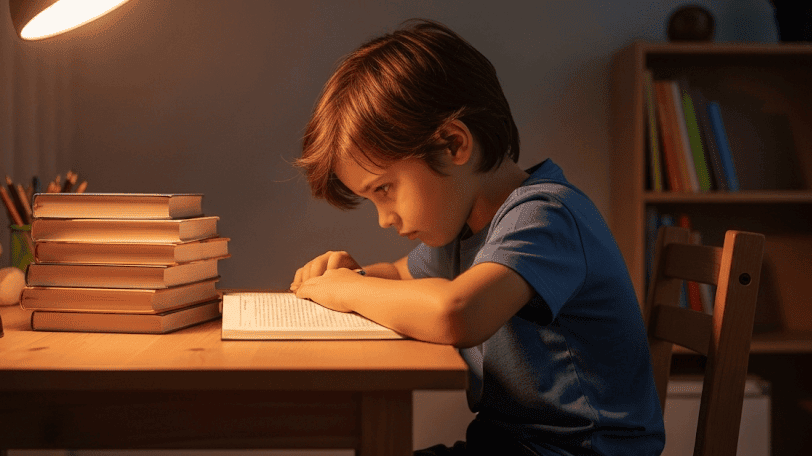
Children who grow up in fatherless environments often face challenges with focus, motivation, and discipline when it comes to school. They may feel less driven to succeed or lack the encouragement they need to stay engaged. Once parents understand what is fatherless, they can step in with structure, emotional support, or even professional guidance to help children thrive in school.

4. Difficulty Building Healthy Social Skills

The absence of a father figure can also impact how children interact with others. Some become overly shy and withdrawn, while others might act out or struggle with empathy and boundaries. Children learn by example, and without healthy male role models, they may find it difficult to develop strong communication and social skills. Being aware of what is fatherless helps parents and educators create more intentional opportunities for positive social learning.

5. Increased Dependence on Screens and Online Worlds
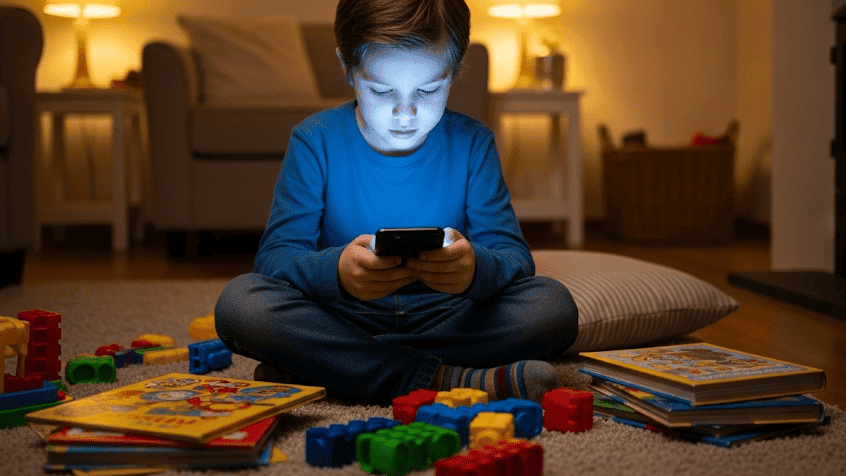
When emotional support is lacking at home, children often turn to devices, social media, or online content for comfort and distraction. They may begin to prioritize digital stimulation over real-life connection, leading to isolation and overdependence on technology. This is another hidden risk within what is fatherless — one that can affect a child’s mental well-being and social development over time.

What Can Parents and Caregivers Do?

Acknowledging that a child may be experiencing the effects of fatherlessness is not about assigning blame. Instead, it’s the first step toward meeting their emotional needs in a more intentional way. Quality time, open communication, and consistent emotional support from other caregivers can make a powerful difference.

Another way to help children build confidence and a sense of purpose is by introducing them to meaningful, skill-building activities — like learning to code. Coding encourages logical thinking, creativity, and problem solving, all of which contribute to stronger self-esteem and mental resilience.

Try a Free Coding Class at Timedoor Academy
Ingin tahu detail program? Image

Ingin tahu detail program?

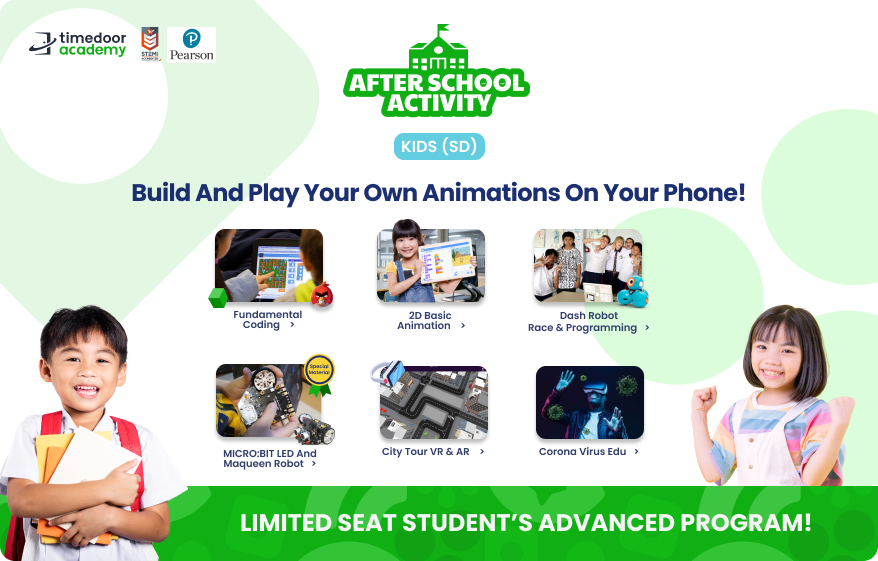
Timedoor Academy offers fun, age-appropriate coding classes designed to help children explore their potential in a supportive and engaging environment. Whether they’re creating simple games or animations, children build valuable skills while developing confidence in their abilities.

You can sign up for a free coding trial class and see firsthand how coding can positively shape your child’s growth — not just academically, but emotionally and socially, too. Let’s help children channel their energy into something creative, constructive, and empowering.

Keep Reading

5 Top Public Speaking Course for Kids Recommendations with Pricing 2025
In today’s modern era, many parents are looking for public speaking course for kids since public speaking skills are incredibly important for developing children’s confidence and social abilities. No wonder more and more parents are seeking a trusted online public speaking course for kids to help their children communicate ideas clearly, whether at school or in their daily lives. By enrolling in a high-quality online public speaking course, children can practice structured speaking, overcome stage fright, and build real confidence. Below are 5 top recommendations for online public speaking courses for kids in 2025, complete with pricing, programs, and standout features. 1. Outschool: Public Speaking for Kids Price: Starting at $18 per classOutschool offers a wide range of online public speaking course options for kids ages 5–14. Classes include small group sessions focused on storytelling, presentations, and confidence building. Key Features: Flexible class schedules and certified instructors Engaging, project-based lessons Classes available for various age groups and skill levels Reviews and ratings from parents and students Access: 100% Online, Global 2. Udemy: Public Speaking for Kids and Teens Price: Starting at $20 per course (one-time payment)Udemy’s online public speaking course for kids and teens covers everything from basic speech techniques to delivering presentations with confidence. The curriculum is video-based and can be accessed at any time. Key Features: Lifetime access to lessons and resources Self-paced learning for maximum flexibility Activities and practice prompts for real-life speaking Completion certificate Access: Online, Worldwide 3. PlanetSpark Price: Starting at $30 per sessionPlanetSpark offers live, interactive online public speaking coursefor kids aged 6–16. Their curriculum covers debating, storytelling, stage presence, and leadership. Key Features: Personalized learning plans Regular feedback and progress tracking International student community Events, competitions, and showcases Access: Online, International 4. Speech & Debate Academy by Learn with Leaders Price: Starting at $50 per monthThis online public speaking course is led by instructors from top global universities and focuses on helping children master public speaking, debating, and critical thinking. Courses are available in group or one-on-one formats. Key Features: Small class sizes with personalized feedback Emphasis on confidence, persuasion, and communication skills Interactive debates and speech simulations Global exposure Access: Online, Open Worldwide 5. Kid Power Academy Price: Starting at $25 per group classKid Power Academy provides a highly interactive online public speaking course for kids, helping them practice speeches, interviews, and presentations in a supportive environment. Key Features: Certified, experienced instructors Fun activities including storytelling, games, and roleplay Progress reports for parents Focus on building positive self-image and confidence Access: Online, Available Globally Why Is an Online Public Speaking Course Important for Kids? Enrolling your child in an online public speaking course for kids will give them an essential foundation for the future. Children will learn how to organize their ideas, speak confidently in public, and present themselves well in a variety of situations. These skills are not only useful for competitions or school presentations, but also for developing leadership, teamwork, and self-expression. Alongside communication skills, it’s just as important to help your child develop technology skills such as coding. In today’s digital era, combining public speaking skills with digital literacy will prepare kids to face the challenges of the future with confidence. If you want your child to develop both strong public speaking skills and digital abilities, consider introducing them to creative coding classes at Timedoor Academy. Try a free trial coding class at Timedoor Academy so your child can grow in confidence, creativity, and readiness to compete in the modern world!
Coding for Game-Loving Kids: Help Child’s Gaming Addiction
Coding for Game-Loving Kids is important in today’s digital era, because many children enjoy playing games, especially popular games like Roblox. For some parents, gaming addiction can be a major concern. Children who spend too much time playing games often neglect study time, sleep, and social interaction. Instead of simply forbidding gaming, parents can turn their child’s hobby into a productive activity through Coding for Game-Loving Kids. With the right approach, a passion for gaming can be redirected to develop digital skills and creativity. Children can learn not only to play games but also to understand how games are made. This is where Coding for Game-Loving Kids becomes a practical and enjoyable solution. The Benefits of Introducing Coding Turning a gaming hobby into coding practice offers numerous benefits. Firstly, children can continue exploring the gaming world they enjoy, but in a more productive manner. Secondly, learning coding helps develop logical thinking, problem-solving skills, and creativity. With coding knowledge, children can transition from being mere players to becoming creators of their own games. Timedoor Academy provides specialized classes in Coding for Game-Loving Kids, including game developer programs. Here, children are guided step by step to create their own games, blending learning with their love for gaming. This offers parents a smart way to channel their child’s gaming interest positively. Why Game Developer Classes Are Perfect for Game-Loving Kids Timedoor Academy’s game developer classes are designed specifically for children passionate about gaming. The curriculum is age-appropriate and uses interactive teaching methods. Children are taught how to design simple to intermediate games. The process is engaging, and children feel accomplished when their games can be played by friends. Parents do not need to worry if their children have previously spent too much time playing games. On the contrary, these classes are an effective way to utilize their interest productively. With proper guidance, children learn discipline, focus, and essential digital skills from an early age. Tips for Parents: Turning a Hobby Into a Productive Activity Understand Your Child’s Interest Identify the types of games your child enjoys and use them as a starting point for introducing coding. Provide Positive Motivation Praise your child for every small project they complete through coding. This builds confidence and encourages continued learning. Combine Learning and Fun Interactive coding lessons ensure that learning feels as enjoyable as playing games. Choose the Right Learning Environment Enrolling your child in Timedoor Academy allows them to learn coding in a structured, safe, and fun environment. By applying these strategies, parents can redirect their child’s energy toward positive learning without taking away their love for games. Using Technology to Develop Children Gaming addiction does not always need to be a problem when handled appropriately. Through Coding for Game-Loving Kids at Timedoor Academy, children can learn to create games, develop creativity, and enhance digital skills. Parents play a crucial role by supporting and motivating children to learn actively. Transforming a child’s interest in games into a productive activity benefits not only their digital skills but also builds discipline, confidence, and problem-solving abilities, which are vital in today’s digital world. Enroll your child at Timedoor Academy today and turn their love for gaming into valuable digital skills. With our Coding for Game-Loving Kids classes, your child will learn to create games, unleash their creativity, and achieve rewarding accomplishments. Sign up now for a free trial and start an exciting learning journey!
4 Bahasa Pemrograman Terbaik Untuk Anak
Top 4 Programming Languages for Kids
In today’s digital-first world, teaching children how to code is becoming just as essential as teaching them math, reading, or science. Coding builds logical thinking, creativity, and problem-solving skills. These are abilities that are crucial for success in any future career. But with so many programming languages out there, many parents wonder: Where should my child start? The answer depends on your child’s age, interests, and learning style. Some languages are visual and beginner-friendly, while others offer more complexity for older or advanced learners. In this article, we’ll break down the top 4 programming languages for kids, explaining what makes each of them great and how to choose the right one for your child’s coding journey.   Why Should Kids Learn Programming Language In Coding? Before we jump into the list, let’s quickly look at why coding is so valuable for children: Boosts logical thinking and analytical skills Strengthens creativity and imagination Improves academic performance, especially in STEM subjects Builds persistence and resilience through problem-solving Prepares them for a future in a tech-driven world Coding also helps children become creators of technology, not just passive users.   1. Programming Language In Coding: Scratch Best for Kids Aged 6 to 12 Scratch is a block-based programming language developed by MIT, specifically for children and beginners. Instead of typing code, kids drag and drop visual blocks to build animations, games, and interactive stories. Why it’s great: No previous coding knowledge needed Highly visual and engaging Encourages storytelling, creativity, and experimentation Free and web-based Scratch is ideal for young learners who enjoy art, games, or creative play. It’s fun, easy to understand, and extremely rewarding.   2. Programming Language In Coding: Python Best for Kids Aged 10 and Up Python is one of the world’s most popular programming languages and a great choice for kids who are ready to move beyond visual coding. Its syntax is clean and readable, making it one of the easiest text-based languages to learn. Why it’s great: Beginner-friendly with real-world applications Used in data science, AI, game development, and automation Loads of free resources and tutorials available Great for building games, quizzes, and mini apps Python is perfect for curious kids who enjoy solving problems and want to dive deeper into the tech world.   3. Programming Language In Coding: JavaScript Best for Kids Aged 11 and Up JavaScript is the go-to language for web development. If your child is interested in how websites work or wants to build their own online games or tools, JavaScript is an exciting and rewarding option. Why it’s great: Teaches how to make websites interactive Encourages real-time experimentation in the browser Can be combined with HTML and CSS for full website building Great for creative projects like online games and visual effects JavaScript is ideal for tweens and teens who are internet-savvy and want to bring their ideas to life on the web.   4. Programming Language In Coding: Blockly Best for Kids Aged 7 to 10 Blockly is a visual coding language like Scratch but with a twist. It also shows the actual code behind the blocks. It’s designed to help children transition from block-based programming to real text-based coding. Why it’s great: Easy to use with a visual interface Builds understanding of programming logic Bridges the gap between Scratch and Python Often used in educational robots and coding kits Blockly is excellent for kids who are ready to go beyond simple blocks but not quite ready for full typing-based code.   Quick Guide by Age For Kids To Choose Programming Language Age Group Recommended Language 6 to 8 Scratch or Blockly 9 to 12 Scratch, then Python 12+ Python or JavaScript   How Can Parents Support Their Kids Coding Journey? Explore coding platforms together such as Timedoor Academy Choose fun, project-based learning activities Encourage creativity by allowing your child to build what they love Celebrate progress at every step, no matter how small   Ready to Help Your Kids Start Coding? The best programming language for your child is the one that fits their age, interest, and learning pace. Whether they’re creating their first animation in Scratch or developing a game in Python, every coding experience empowers them with skills for the future. At Timedoor Academy, we provide structured and engaging online coding classes for children of all ages. Our programs are designed to turn beginners into confident young coders through hands-on learning and creative projects. Ready to start your child’s coding journey? Check out our courses and free trial at Timedoor Academy and unlock your child’s potential in tech.
float button