Jun 25, 2024

How Should We Manage Gadget Addiction in Children?

How Should We Manage Gadget Addiction in Children? image

In this digital era, gadget addiction in children has become a major concern for parents. Excessive digital use can negatively impact a child’s physical, emotional, and social development. A notable study in Bangladesh identified a significant relationship between high gadget addiction and poor cognitive function among children. This research also indicated certain factors, including demographic and family dynamics.  However, parents should not worry too much as gadget addiction can be controlled. Before discussing ways to control gadget addiction, parents must first understand the causes of gadget addiction in children.


Causes of Gadget Addiction in Children


Attractive Digital Content

Kids Playing Game

The presence of applications, video games, and social media keeps children constantly engaged due to their attractive features. Passive engagement with entertainment through digital devices can have significant disadvantages and contribute to the development of gadget addiction in children. When children’s interactions with technology are primarily focused on passive consumption of content, rather than active learning or creative activities, it increases the risk of them becoming overly dependent on and addicted to their devices.

Furthermore, social media can make children feel valued and acknowledged through likes and comments, which can lead to addiction to validation. The algorithms behind these applications are designed to continually capture users’ attention, making it difficult for children to stop and increasing the likelihood of excessive use of social media and video games.


Lack of Alternative Activities

Children who do not have activities such as hobbies or other physical activities are more prone to gadget addiction. A lack of alternative activities will lead children to turn to digital devices to fill their free time.

Some academic studies indicated that increased screen time is often associated with higher rates of sedentary behavior, which includes prolonged periods of sitting or lying down. The impact of screen time on physical activity levels is significant, with evidence suggesting that screen engagement leads to decreased physical activity and increased risk of being overweight​

For example, children without physical activities will quickly become bored, and playing with gadgets becomes the go-to activity. Thus, a lack of social interaction and outdoor activities contributes to the increase in gadget use among your children.


Parental and Environmental Role

Parents Busy With Gadget

Children tend to imitate what they see. Studies have shown that young children often replicate what they see on screen or what is modeled by adults in their immediate surroundings.  If children see parents or people in their environment frequently using gadgets, they will feel that excessive gadget use is normal and will contribute to gadget addiction.

For example, if parents are often busy with their gadgets in front of their children, the children will assume this behavior is acceptable. Hence, parents have a significant influence in shaping their children’s habits.


Emotional Needs

Gadget addiction

Research indicates that children often use gadgets to cope with stress, boredom, or loneliness in real life. This behavior is associated with various mental health outcomes, and gadgets are sometimes used as a primary tool for emotional regulation. They see gadgets as a primary solution to their problems, not realizing that other activities, such as playing outside or interacting with friends, and any other things like that.

It’s true that Some studies suggest that such use can temporarily relieve stress but might not address underlying issues, leading to potential increases in depressive and anxiety symptoms later on.

Children who struggle to communicate or do not receive enough attention from their parents are likely to seek solace in gadgets. This can become a difficult habit to break without the proper steps from parents.


Read Our Other Articles:

Best 19! Sekolah Swasta dan Internasional di Kota Surabaya Barat – Biaya, Alamat, Lengkap 2024/2025

Why Website Speed is Important? How to Check a Website Speed by Yourself


Ways to Control Gadget Addiction in Children


Set Time Limits for Gadget Use
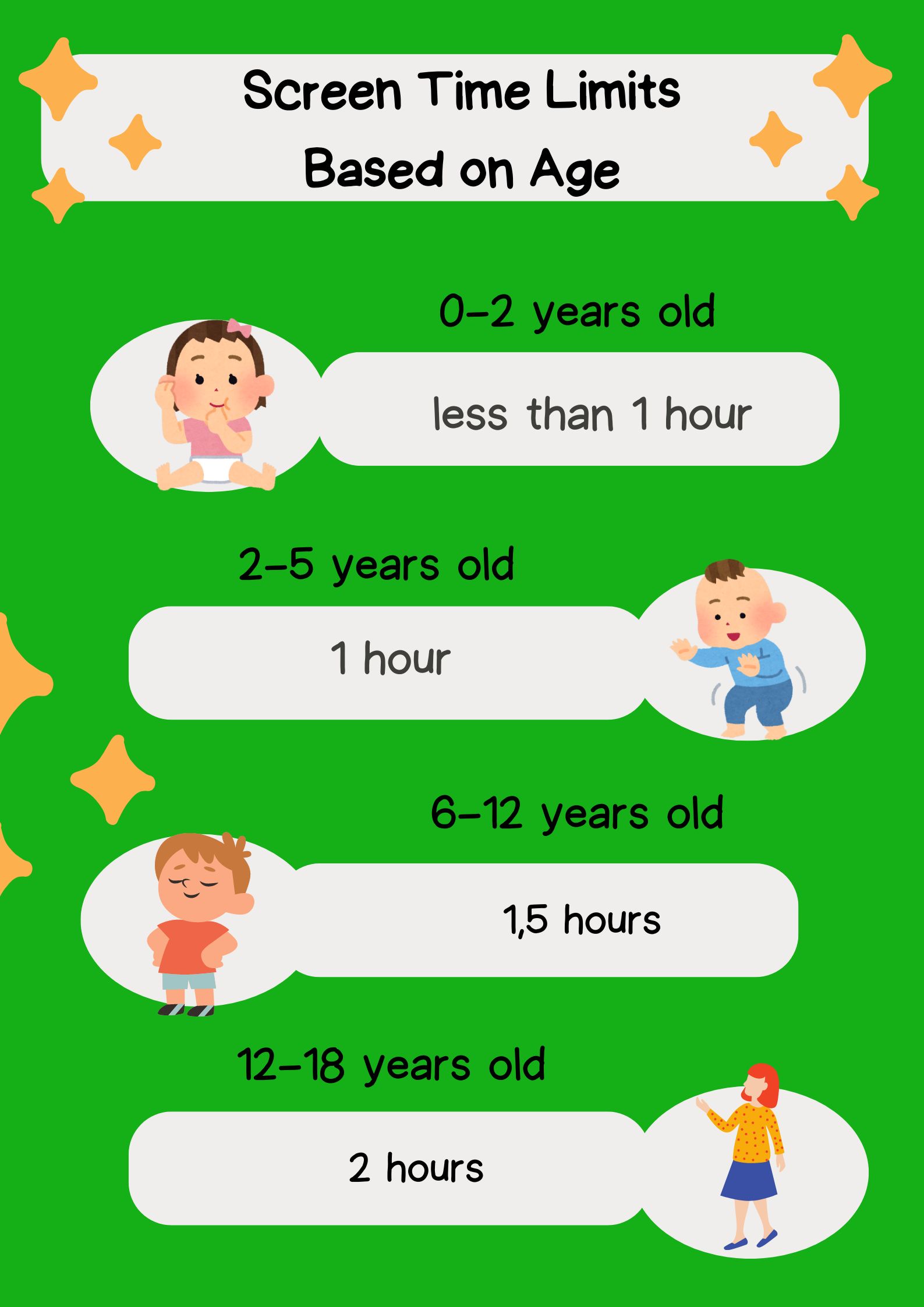
Screen Time Based on Age

Screen Time Limit Based on Age. Designed by Timedoor Academy

According to the Ministry of Health of the Republic of Indonesia, children under the age of 2 are recommended not to be given access to gadgets. If necessary, usage should not exceed 1 hour per day and must be supervised by parents. Children aged 2-5 years are recommended to have 1 hour daily. For children aged 6-12 years, it should not exceed 1.5 hours per day, and for children aged 12-18 years, it is 2 hours per day.

Parents can create a daily schedule that includes time for studying, playing outside, physical activities, and rest to help children understand the importance of balancing their time.


Give a Good Example

Children will imitate their parents’ habits. Therefore, parents must set a good example in using gadgets. Show your children that you have time limits and engage in other activities such as exercising.

Research suggests that parental behavior significantly influences children’s habits and attitudes toward technology. For example, parents can set rules not to use gadgets during dinner or family gatherings. This way, children will know there is a specific time for gadget use.


Encourage Other Positive Activities

Aktivitas untuk anak
Encourage your children to engage in various other activities, such as playing outside, drawing, exercising, or finding hobbies that match their interests and talents. Providing these activity options will help children shift their focus away from gadgets.

Additionally, encouraging children to participate in community or club activities can help them discover new interests and become more socially involved. This is effective in reducing screen time.


Educate About Gadget Use

According to BMC Psychiatry, excessive mobile device use among children is linked with various mental health outcomes like anxiety, stress, and poor educational performance. Teach your children about the consequences of excessive gadget use. Parents can explain the negative impacts and discuss with children how to use gadgets wisely. Developing digital literacy and gadget usage is important to help prevent potential gadget addiction in children. When children have the skills and understanding to use digital devices responsibly, they are less likely to become overly reliant on or addicted to them.”

This education can include information about the health risks associated with excessive gadget use. By understanding these risks, children can be more cautious when using gadgets.


Use Parental Controls

Google Family Link

In this practical era, parents do not need to worry too much about their children’s gadget activities. You can activate Parental Control features on your children’s devices. These controls can monitor the apps your children use, how long they use them, and even block inappropriate content. However, parents must also understand and respect their children’s privacy to maintain their comfort.

These controls can be accessed on various devices, such as Android, iOS, Windows, Google, and even home wifi routers. This way, you can feel more at ease by controlling your children’s activities through these features.


Involve Children in Educational Activities


Parents should take the right innovative approach in facing this digital era. If parents find it challenging to change their children’s gadget addiction to a more productive utilization, involve them in educational activities that use gadgets, such as language learning apps, coding, and programming classes, or educational games.


Those are some important points parents should consider regarding children’s gadget use. You can manage gadget addiction by utilizing technology educationally, as offered by Timedoor Academy.

Timedoor Academy offers IT Education classes for your beloved children to stay positively engaged with technology. Here, children will learn to utilize technology, including creating and developing their own games.

We offer trial classes for those who want to try it first. Register your children now and experience the benefits! Try it for free here.


Keep Reading

resep makanan sehat untuk anak
Healthy Food Recipes for Kids: Delicious and Nutritious Ideas for 2025
Finding healthy food recipes for kids that are both nutritious and loved by little ones can feel like a daily challenge. Many parents worry about picky eaters, sugar-filled snacks, and time-consuming meal prep. If you are searching for healthy food recipes for kids, you are in the right place. This article features easy, tasty, and nutritious meals that support your child’s growth and make healthy eating more exciting. Whether for breakfast, lunch, or snacks, these healthy food recipes for kids are designed to be simple and kid-approved.   Why Healthy Eating Matters for Kids Children need a balanced diet to grow strong and stay focused throughout the day. Healthy food recipes for kids help introduce essential nutrients like protein, fiber, vitamins, and minerals in fun and appealing ways. A variety of colorful, whole foods can encourage better eating habits and even reduce cravings for processed snacks.   1. Rainbow Veggie Quesadillas Why kids love it: They are colorful, cheesy, and easy to eat with fingers. Ingredients: 1 whole wheat tortilla ½ cup shredded cheddar or mozzarella cheese ¼ cup chopped bell peppers (red, yellow, green) ¼ cup corn 2 tablespoons chopped spinach Olive oil for cooking Instructions: Heat a pan and add a bit of oil. Place the tortilla on the pan and sprinkle cheese and vegetables on one half. Fold the tortilla and cook both sides until golden brown. Cut into triangles and serve warm. Tip: Using whole grain tortillas adds extra fiber to the meal.   2. Fruity Yogurt Parfaits Why kids love it: It looks like dessert, but it is a nutritious snack or breakfast. Ingredients: 1 cup plain Greek yogurt ½ banana, sliced ½ cup mixed berries (fresh or frozen) ¼ cup granola 1 teaspoon honey (optional) Instructions: Layer yogurt, fruit, and granola in a cup. Repeat the layers and drizzle with honey if desired. Tip: Greek yogurt is rich in protein and calcium for strong bones and muscles.   3. Mini Veggie Muffins Why kids love it: They are soft, tasty, and fun to eat. Ingredients: 1 cup grated zucchini or carrot 1 egg 1 cup whole wheat flour ½ teaspoon baking soda ½ teaspoon salt ½ cup milk ¼ cup olive oil ¼ cup shredded cheese Instructions: Preheat oven to 180°C (350°F). Mix all ingredients in a bowl. Pour into greased mini muffin trays. Bake for 15 to 20 minutes. Tip: These muffins are perfect for lunchboxes or after-school snacks.   4. Chicken and Veggie Rice Bowls Why kids love it: They get to build their own bowl with their favorite ingredients. Ingredients: 1 cup cooked brown rice ½ cup cooked chicken pieces ¼ cup steamed broccoli ¼ cup chopped carrots 2 tablespoons sweet corn 1 tablespoon soy sauce or sesame dressing Instructions: Add rice to a bowl and arrange chicken and vegetables on top. Let kids mix the ingredients themselves. Drizzle lightly with sauce. Tip: Use lean chicken and brown rice for more protein and fiber.   5. Baked Sweet Potato Fries Why kids love it: They are crispy on the outside and soft inside. Ingredients: 2 sweet potatoes 1 tablespoon olive oil ½ teaspoon paprika ¼ teaspoon salt Instructions: Preheat oven to 200°C (400°F). Peel and cut the sweet potatoes into strips. Toss with olive oil, paprika, and salt. Bake for 25 to 30 minutes, flipping halfway. Tip: Sweet potatoes are rich in vitamin A and antioxidants.   Making Healthy Eating Fun for Kids Here are a few ways to make healthy food recipes for kids even more enjoyable: Use cookie cutters to shape fruits, sandwiches, and pancakes Let kids help with washing, mixing, and serving Add a variety of colors to every meal Keep meals simple and avoid pressure during mealtime   Healthy Meals, Smarter Minds With the right approach, healthy food recipes for kids can be simple, delicious, and part of a fun daily routine. The meals shared above are designed to keep your child nourished and satisfied throughout the day. From rainbow quesadillas to sweet potato fries, each dish is packed with essential nutrients that growing kids need. And while you're helping your child eat better, consider supporting their brain development too. At Timedoor Academy, we offer online coding classes for kids that are just as exciting and educational as a well-balanced meal. Learning to code improves logical thinking, creativity, and confidence. Sign up for a free trial class at Timedoor Academy today and give your child the tools to succeed both in the kitchen and in the digital world.
Screen Time Isn’t the Enemy: Why Screen Time for Kids Should Focus on Quality in 2025
In today’s digital age, screen time for kids is a hot topic among parents. Many worry that too much time in front of a screen could negatively impact their children’s physical health, mental well-being, and social development. However, the truth is, screen time for kids isn’t inherently bad. When used wisely and filled with the right kind of activities, it can actually bring many positive benefits. This article explores why the quality of screen time for kids matters more than simply limiting the hours. We’ll also discuss examples of productive digital activities, practical tips for managing screen time, and how parents can turn screen moments into opportunities for learning and meaningful family bonding. Look Beyond Just the Hours Most conversations about screen time for kids revolve around duration: how many hours per day is too much? But recent research suggests that the real impact depends more on what children do during that screen time and whether parents are involved. For example, watching educational shows, taking a coding class, or working on digital projects is far more beneficial than passively playing games or binge-watching entertainment videos. The American Academy of Pediatrics (AAP) recommends that parents focus more on content, engagement, and interaction, rather than rigidly limiting screen time hours. What Makes Screen Time High Quality? High-quality screen time is screen time that’s used for educational, creative, or character-building purposes. Examples include learning to code, creating animations, joining digital art classes, reading e-books, or communicating positively with friends and family. Quality also improves when digital activities involve parents. Helping kids choose educational apps, discussing movies together, or working on a digital project as a family can strengthen your bond and build children’s confidence. The Benefits of Well-Managed Screen Time When managed properly, screen time for kids can foster many valuable skills, such as: Digital literacy and tech readiness: Preparing children for a digital-driven world. Critical and creative thinking: Boosted through solving coding challenges, creating digital projects, or editing videos. Communication and collaboration: Practiced in online classes, learning forums, or group projects. Character development: Encouraging discipline, curiosity, responsibility, and confidence. The Risks of Unsupervised Use On the flip side, poorly managed screen time can lead to negative outcomes like gadget addiction, sleep problems, reduced social interaction, and passive behavior. That’s why active parental supervision and guidance are essential in shaping healthy screen habits. How to Make Screen Time More Productive Here are some practical tips to help ensure screen time for kids is beneficial: Choose Educational Content WiselyOpt for age-appropriate learning apps, websites, or programs. Avoid content that’s inappropriate or irrelevant. Create a Balanced Daily ScheduleBalance screen time with physical activity, outdoor play, and enough rest. Watch and Discuss TogetherBe present during digital activities and talk about what your child is learning or watching. Offer Creative Digital OptionsIntroduce fun experiences like coding, graphic design, vlogging, or app-based science experiments. Make It a Family ActivityTry learning coding together, watching documentaries, or working on family-friendly digital projects. Coding Courses: A Great Example of Quality Screen Time One of the best examples of productive screen time for kids is enrolling them in coding courses. Coding isn’t just a trend — it builds logic, creativity, and problem-solving skills. It also promotes patience, teamwork, and curiosity. At Timedoor Academy, children can explore coding through structured lessons and real-world projects in a safe and supportive environment. With free trial classes available, it’s a great way to turn screen time into a fun, meaningful learning experience.
7 Top Dangers of Sweetened Condensed Milk for Children in 2025
Sweetened condensed milk is still widely considered by many parents as a substitute for regular milk or a nutritious drink for kids. Its sweet taste, low price, and appealing packaging often make it seem like a practical choice. However, the dangers of sweetened condensed milk for children are serious and often go unnoticed. Unlike regular milk, sweetened condensed milk is a processed product that is extremely high in sugar and contains very little protein or calcium. It is more accurately categorized as a sugary beverage with a milky flavor. Unfortunately, due to a lack of awareness, the dangers of sweetened condensed milk for children continue to be overlooked, especially in households with limited access to nutrition education. This article outlines seven key dangers of sweetened condensed milk for children that parents must be aware of in order to make healthier choices for their families. 1. Extremely High Sugar Content A single serving of sweetened condensed milk can contain more than 40 percent sugar. Children who consume it regularly are at high risk of excessive sugar intake. This is one of the primary dangers of sweetened condensed milk for children, as it can lead to obesity, tooth decay, and metabolic issues from a young age. 2. Increased Risk of Childhood Diabetes Too much sugar from sweetened condensed milk puts added stress on the pancreas to produce insulin. Over time, this can result in blood sugar regulation problems. One of the more alarming dangers of sweetened condensed milk for children is the rising number of cases of type 2 diabetes found in school-aged kids. 3. Lacks Essential Nutrients Though it may look like milk, the nutritional content of sweetened condensed milk is significantly lower than that of UHT milk or formula. Children need protein, healthy fats, and calcium, all of which are lacking in this product. The danger of sweetened condensed milk for children in this context is that it can make kids feel full without providing the nutrients needed for healthy growth. 4. Develops a Sweet Tooth Drinking sweetened condensed milk regularly can condition children to prefer overly sweet foods. This can lead them to reject healthier options like vegetables or natural foods. One of the dangers of sweetened condensed milk for children is that it creates unbalanced eating habits that are hard to reverse later in life. 5. Digestive Discomfort Some children may experience diarrhea or constipation after consuming large amounts of sweetened condensed milk. Its high sugar and processed fat content can disrupt the balance of gut bacteria. This is one of the more overlooked dangers of sweetened condensed milk for children, but it can significantly affect their daily activities. 6. Causes Tooth Decay Sweetened condensed milk is sticky and tends to cling to teeth. If not brushed away properly, the leftover sugar becomes a breeding ground for cavity-causing bacteria. This danger of sweetened condensed milk for children can manifest quickly, especially if they brush infrequently or still use bottles. 7. Lowers Overall Family Nutrition Quality Many families serve sweetened condensed milk as a daily drink, which can lower the overall standard of nutrition in the household. Children may miss out on better sources of calcium and protein. The dangers of sweetened condensed milk for children go beyond individual health and can negatively impact the entire family’s eating habits. What Can Parents Do? The first step is recognizing that not all milky-looking drinks are healthy for kids. Always read labels, seek reliable information, and consult with a pediatric nutritionist if needed. Replace sugary drinks with water, fresh milk, or natural fruit juices with no added sugar. Guide Children Toward Positive, Productive Activities In addition to managing nutrition, parents can support their children by encouraging activities that promote growth and learning. One excellent option is coding. Coding is not just fun, it also boosts focus, logic, and creativity from an early age. Try a Free Coding Class at Timedoor Academy Timedoor Academy offers free coding classes for children ages 5 to 18. Kids can learn to build games, animations, and digital projects tailored to their age and interests. With project-based learning and the guidance of professional mentors, children will be engaged in creating and thinking, not just consuming screen time. Invite your child to try a free coding class at Timedoor Academy today. Help them build a future that is healthy, smart, and filled with creativity!
float button