Why did Indonesia ban Roblox but Australia did not? A thorough look at children’s digital safety

Why did Indonesia ban Roblox but Australia did not? A thorough look at children’s digital safety

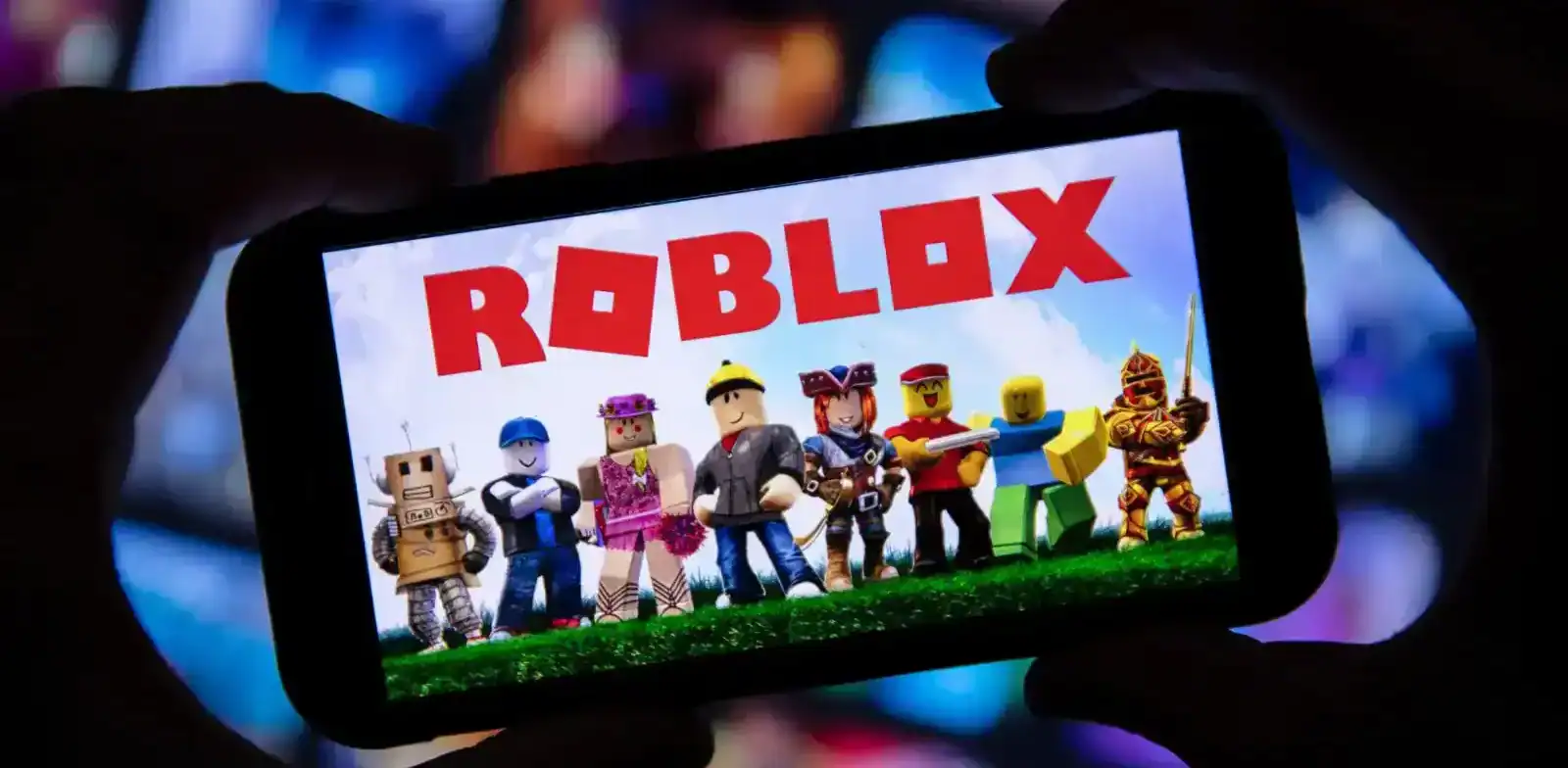
Source: marketing-interactive.com Recently, the government's policy to restrict or even block access to Roblox for children under the age of 16 has become a hot topic among parents. This move was triggered by the rampant cases of grooming (online child sexual abuse) and the spread of age-inappropriate content on the platform. As parents, it is natural to feel concerned. However, let us examine this phenomenon from a global perspective. In Australia, despite facing the same level of cybercrime risks, Roblox continues to operate without any restrictions. Why is the approach so different? Different Perspectives: Gaming Platform vs Social Media There are two main reasons why the Australian government did not take extreme measures such as a total block: Viewed as a Creative Ecosystem Platform, Not Just Social Media The Australian government and its digital regulatory agency view Roblox primarily as a gaming platform where children can learn to be creative, not just social media. Their regulatory focus is on the responsibility of game developers to create a safe environment, not on blocking access for users. Default Private Policy for Children's Accounts Through the Safety by Design initiative, the Australian government urges platforms to provide automatic protection. As a result, children's accounts there are set to private mode by default. This means that the chat feature with strangers and profile visibility are closed from the moment they register. So, what about children in Indonesia? The main control currently lies in the hands of parents. Parents must proactively activate security features manually. It's quite easy to do: go to the Settings menu, then select Parental Controls. There, parents can activate the Parent PIN so that children cannot change the settings, as well as turn off the chat feature to close two-way communication with strangers. Is Blocking Enough? The answer: No. Blocking one application may provide a temporary sense of security, but it does not solve the root of the problem. The digital world is vast. Currently, almost all online games have two-way communication features. If access to Roblox is closed, potential digital crimes such as cyberbullying or grooming can still lurk around children through other games or platforms. Closing one door will not stop ‘uninvited guests’ from looking for an open window. The only strong defence that children can take with them wherever they surf is digital literacy. Children must be equipped with critical thinking skills when communicating online. They must understand stranger danger (the danger of strangers in the virtual world), game literacy, and mindful messaging (thinking before responding to messages). Turning Concerns into Potential Teaching children technical digital literacy can sometimes be confusing. The language we use is often difficult for them to understand, or even comes across as lecturing. If parents are unsure where to start, entrusting this education to the experts is the wisest choice. At Timedoor Academy, children are not only taught to be passive consumers of games, but are guided to be productive creators. They can learn to make their own games using Roblox Studio in a 100% safe and monitored environment. Moreover, the Timedoor Academy curriculum incorporates digital literacy material in a fun and age-appropriate way. They will learn to recognise the characteristics of cyberbullying, understand privacy boundaries, and how to protect themselves online. In this era of artificial intelligence and rapidly advancing technology, limiting children's exploration risks leaving them far behind their peers. Children who are not equipped with technological skills and digital literacy from an early age will miss out on many opportunities in the future. Ensure your little ones are ready to face the challenges of the digital world with their full potential. Parents can secure their first steps by consulting for free at Timedoor Academy. The opportunity to provide protection while developing your child's talents is right before your eyes, do not delay in making a decision. Reading References for Parents: Australian eSafety Commissioner: Protecting children on gaming platforms Roblox Corp: Safety and Civility - Parent Guide UNICEF: Digital Literacy for Children and Teens Prepare your little one for the future through exciting learning experiences. Sign up for a free trial  session now!
Why was Roblox banned in Indonesia? Here is Komdigi’s explanation and how children can remain creative without risk!

Why was Roblox banned in Indonesia? Here is Komdigi’s explanation and how children can remain creative without risk!

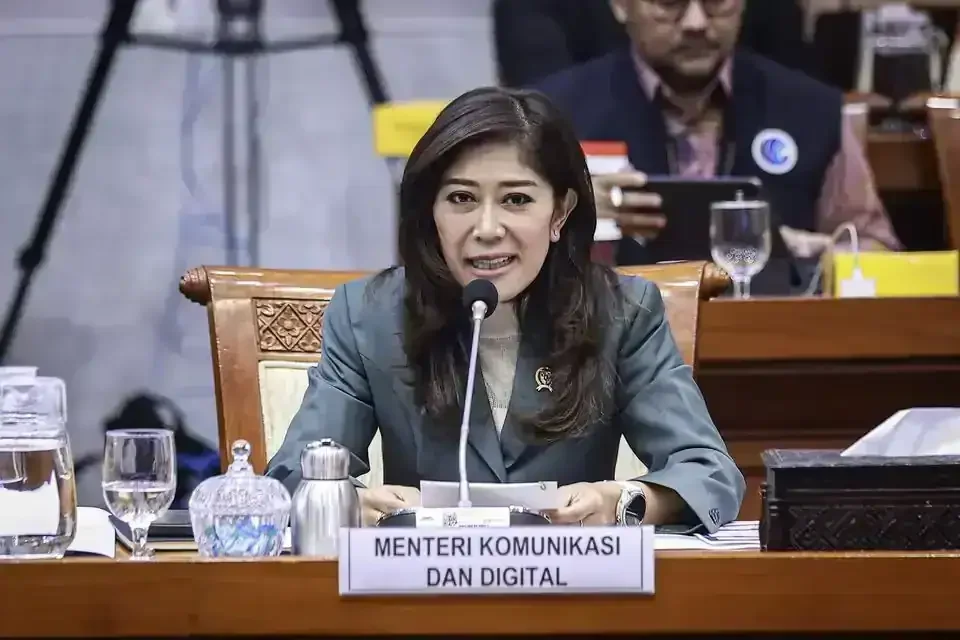
Source: katadata.co.id Shocking news has come from the Ministry of Communication and Digital Affairs (Komdigi). On social media, official statements regarding restrictions on access to digital platforms for minors have begun to be widely discussed. Many parents are asking, ‘Is it true that Roblox will be banned?’ Through its official statement, the government has reaffirmed its commitment to protecting children from digital risks. Komdigi stated that starting on 28 March 2026, access to social media (such as TikTok and Instagram) and gaming platforms such as Roblox will be restricted for children under the age of 16. This is because these platforms are classified as high risk in terms of exposure to age-inappropriate content. Why is the Government Concerned? We must acknowledge that child safety in the virtual world is a major challenge. As a very popular platform, Roblox does pose risks if used without strict supervision, especially in relation to interactions with strangers or user-generated content that has not been fully filtered. This is what underpins the government's decisive action to minimise the negative impact on the mental health and safety of our children. Good News: Roblox Continues to Tighten Security Despite the blocking issue, it is important for parents to know that globally, Roblox itself continues to make major updates to its security system. Based on information from Internet Matters and The Guardian, Roblox has launched new features to give parents greater control: Parental Accounts: Parents can now link their accounts to their children's accounts to monitor their activities directly. Age Restrictions for Children Under 13: Children under the age of 13 are now restricted from accessing chat features outside of the game and are prohibited from entering social hangout categories that are considered less educational. Content Maturity Labels: A clearer rating system to ensure children only play content appropriate for their age category. Don't Let Children Be Sad, Turn Them Into ‘Creators’  Looking at this issue, we need to see it from a broader perspective. The main problem is not with Roblox itself, but with how children use it. At Timedoor Academy, we help children transition from being passive Players (Users) to productive Creators through Roblox Studio.   Why is learning in Roblox Studio safe and beneficial? Productive Platform: Roblox Studio is not a place to play games, but a professional game development tool. To date, there are no regulations prohibiting the use of Roblox Studio because its function is for education and creativity. Learning Future Skills: Through our curriculum, children learn programming logic (coding), mathematics, and even English in a very enjoyable way. Educational Games: The games we teach at Timedoor Academy focus on educational content, enabling children to build a positive digital world. Safety Commitment at Timedoor Academy Parents, don't worry! At Timedoor Academy, we are fully committed to ensuring the safety and comfort of your children's learning experience. We prioritise a safe learning environment, especially when teaching coding through Roblox Studio. Here are the concrete steps we take to protect our students: Full Supervision: Our main focus is to develop children's productive skills through coding. Therefore, we will continue to supervise students in using Roblox Studio as long as there is no official ban from the government. This ensures that students' learning continues to run smoothly. Identity Verification: If new regulations require stricter verification, we will ask for your consent as parents to use official IDs. The goal? To ensure that your child's account remains legal, safe, and fully compliant with government regulations, so you can rest assured while your child creates. Total Transparency for Parents: We believe in complete openness. You can always access and check all the details of your child's activities during class, from coding projects to any interactions. With this approach, Timedoor Academy is not just a place to learn coding, but also a trusted partner in educating children safely. Conclusion for Parents Instead of focusing our energy on our children's disappointment over restricted access to play, let's encourage them to see new opportunities. Turn their sense of ‘loss’ into motivation to create. With Timedoor Academy, children are no longer just spending time in front of a screen, but are building their own future as technology creators. Want more advice on how to channel your child's interest in technology in a more positive way? Join our community at Timedoor Academy! Prepare your little one for the future through exciting learning experiences. Sign up for a free trial  session now!
Official Announcement of Holiday Camp Awards December 2025

Official Announcement of Holiday Camp Awards December 2025

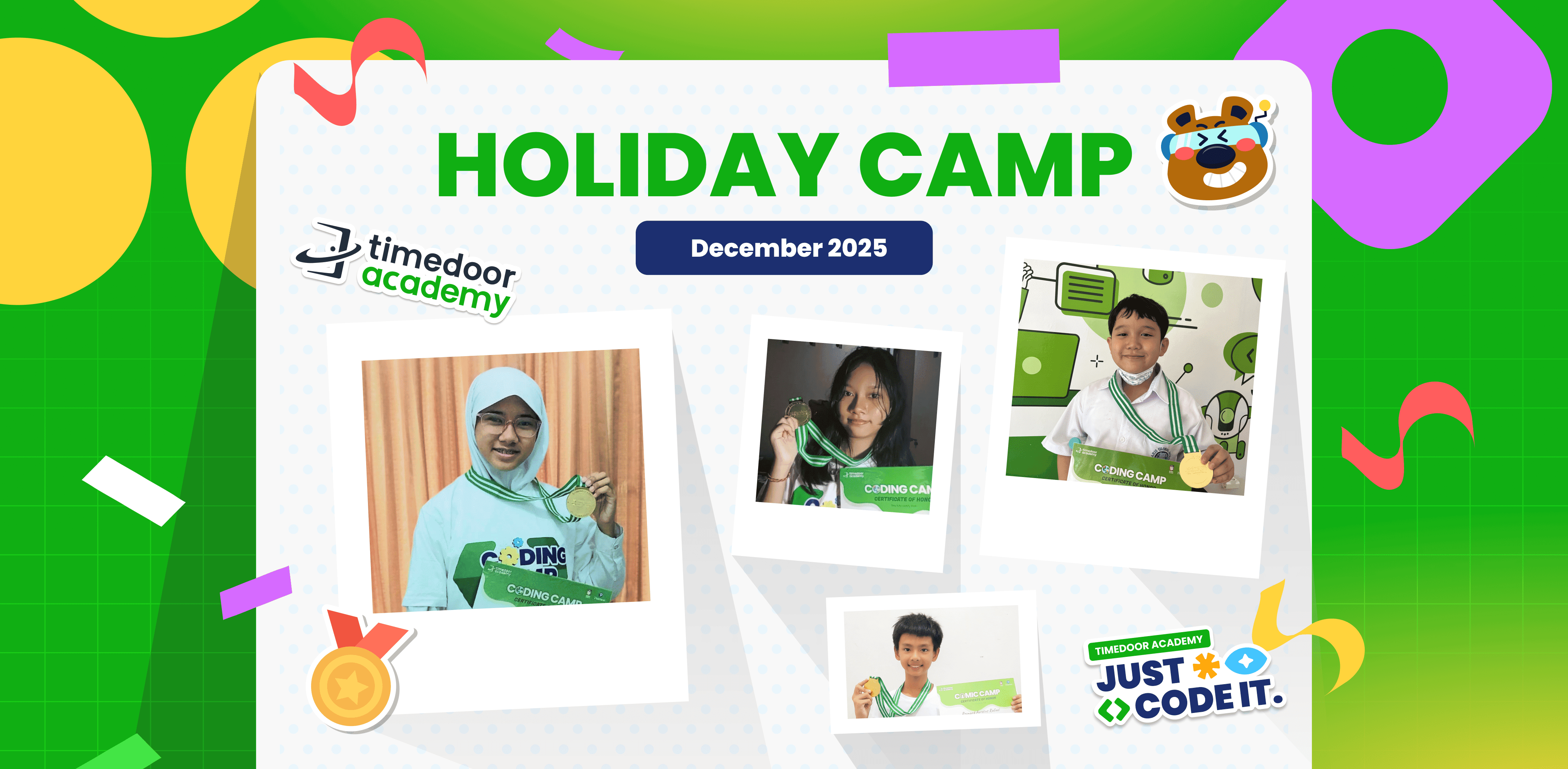
We are thrilled to celebrate the success of Holiday Camp 2025 held by Timedoor Academy, which took place from December 15 to December 30. This year’s event was our biggest yet, welcoming over 500 talented students from across Indonesia! The experience reached new heights this year with the debut of our latest "Programs such as Cyber Heroes, in which students identify cyber threats such as phishing and malware by using Mini Games & Scratch, and also Make AI with Pictoblox, providing a well-rounded and immersive learning environment. On this special occasion, the students dived deep into their passions—ranging from Python and Roblox Development to Artificial Intelligence, and Comic Making. Under the mentorship of our expert teachers, participants tackled ambitious projects and sharpened the digital skills essential for their futures. After much deliberation, we are now ready to honor those who truly stood out for their creativity and dedication. We are proud to present the winners of the Best Project and Best Participant awards: JUNIOR ANIMATOR CATEGORY PARTICIPANT’S NAME BRANCH Best Project Rayson Devatta Wang Jambi Best Participant Rafka Irtiza Syaqier Sentul JUNIOR 3D GAME CATEGORY PARTICIPANT’S NAME BRANCH Best Project Mikael Jose Alvaro Cikarang Best Participant Kyrie Manado JUNIOR CONSTRUCT CATEGORY PARTICIPANT’S NAME BRANCH Best Project Justin Owen Tandi Cikarang Best Participant Saddam Khairul Hanif Cikarang AI WITH PICTOBLOX CATEGORY PARTICIPANT’S NAME BRANCH Best Project Alden Immanuel Barneth Bandaso Mandagi Cikarang Best Participant Raizel Zane Wiltan Palembang CYBER HEROES CATEGORY PARTICIPANT’S NAME BRANCH Best Project Thomas Harvianz Green Lake City Best Participant Fransisca Karla Alveenia Hadiwijaya Yogyakarta KIDS CONSTRUCT CATEGORY PARTICIPANT’S NAME BRANCH Best Participant Zara Shaquitta Tanujaya BSD KIDS ROBLOX CATEGORY PARTICIPANT’S NAME BRANCH Best Project Habibi Rafif Cibubur Best Participant Ziggy Raziq Rizalya Makassar KIDS PYTHON CATEGORY PARTICIPANT’S NAME BRANCH Best Project Bennedict Javier Jambi Best Participant Felix Gerard Wyenn Tanjung Duren TEENS WEB DEVELOPER CATEGORY PARTICIPANT’S NAME BRANCH Best Project Nathanael Andromeda Juan Kristanes Batam Best Participant Muhammad Hafizh Prananda Aryawan Malang TEENS ROBLOX CATEGORY PARTICIPANT’S NAME BRANCH Best Project Marcia Josephine Renon Best Participant Muhammad Fajri Akbar Lampung TEENS PYTHON CATEGORY PARTICIPANT’S NAME BRANCH Best Project Rayhan Avicenna Alfatih Jagakarsa Best Participant Kalyana Adinda Parahita Jagakarsa TEENS AI CATEGORY PARTICIPANT’S NAME BRANCH Best Project Tsaqif Bariq R.H. Gayungan Best Participant Elishine Syallom Citraland  COMIC KIDS CATEGORY PARTICIPANT’S NAME BRANCH Best Project Katrina Amadea Tanuwidjaja Online Best Participant Flynn Oliseh Opene Online IOT KIDS & TEEN CATEGORY PARTICIPANT’S NAME BRANCH Best Project Daffa Muhammad Zahir Cikarang Best Participant Gerald Kelapa Gading  
7 Strong Steps to Prepare Your Child as a Generation of Technology Creators

7 Strong Steps to Prepare Your Child as a Generation of Technology Creators

In today’s fast-paced digital era, understanding and creating technology has become one of the most essential skills for children. The world no longer only needs users of technology but also creators and innovators who can bring new solutions through digital creativity. That is why nurturing a generation of technology creators from an early age is a strategic step for parents and educators. Technology is now a part of almost every aspect of human life. From communication and education to entertainment, everything relies on digital innovation. In this context, the role of technology creators becomes crucial in shaping a more advanced, creative, and sustainable future. Children who understand the fundamentals of technology from a young age will grow with stronger logical, analytical, and creative thinking skills. 1. Cultivating an Innovative Mindset from an Early Age The first step in developing a generation of technology creators is to instill an innovative mindset in children. Instead of merely using apps or playing games, children should be encouraged to understand how those technologies are built. Through activities such as coding, digital design, or simple experiments with software, children begin to think like creators rather than consumers. This approach trains them to seek solutions, generate new ideas, and not fear making mistakes. The earlier children are introduced to the concept of creating technology, the greater their potential to grow into true innovators. 2. Strengthening Problem-Solving and Logical Thinking One of the main benefits of building a generation of technology creators is helping children develop systematic thinking and logical problem-solving skills. In the world of coding, for instance, they learn how to arrange steps so that computers can execute commands correctly. This process fosters critical thinking, which is valuable in many areas of life. Moreover, problem-solving activities teach perseverance and patience. Children learn that every mistake can be fixed through analysis and improvement, shaping a resilient and growth-oriented mindset. 3. Connecting Creativity with Technology Many parents think technology is rigid and technical, while in reality, it can also be a powerful medium for creativity. Children who grow as part of the generation of technology creators can combine art and technology to produce unique works such as animation, digital music, or interactive games. Through this creative approach, children learn that coding and design are not only about numbers and logic but also about imagination and self-expression. Technology provides them with the space to create something original and meaningful. 4. Building Early Career Readiness Technology skills are becoming one of the key foundations of the future workforce. Professions in digital fields, such as software development, game design, and artificial intelligence, are in high demand. By developing a generation of technology creators, parents help their children gain a competitive advantage from an early age. Children who grow up thinking in technological logic will adapt more easily to changes in the job market. They will not only be ready to face the future but also lead innovation that shapes it. 5. Teaching Digital Responsibility Being part of the generation of technology creators is not only about mastering technical skills but also about understanding the ethics behind technology use. Children should learn to create technologies that are useful, safe, and responsible for society. Through balanced digital education, they will understand the importance of privacy, respect for others’ work, and using technology for positive purposes. This foundation helps them grow into innovators who are not only intelligent but also ethical. 6. Enhancing Collaboration and Communication Skills In today’s technology-driven world, collaboration is the key to success. Building a generation of technology creators also means teaching children how to work in teams, exchange ideas, and value others’ opinions. Many technology projects require interdisciplinary teamwork involving developers, designers, and more. Through collaborative activities, children learn that great innovations are not created by one person alone but through effective teamwork and communication. These social skills will become valuable assets in their academic and professional journeys. 7. Building Independence and Confidence Children who can create something from their own ideas develop high self-confidence. They learn that every idea, no matter how small, has the potential to grow. This is the essence of the generation of technology creators: children who dare to dream, think critically, and turn ideas into reality. With the right support from parents and a positive learning environment, they will remain motivated to learn and innovate without limits. How Timedoor Academy Helps Build a Generation of Technology Creators Timedoor Academy understands the importance of nurturing children who not only use technology but also create it. Through project-based learning and guidance from professional mentors, students explore the world of coding, design, and digital innovation in a fun and interactive way. Every lesson is designed to develop logical thinking, creativity, and responsibility. With a child-friendly approach, Timedoor Academy helps every student grow their curiosity and passion to become part of the generation of technology creators who will shape the future. Take the First Step Today The world of technology keeps moving forward, and the future belongs to those who can create, not just consume. Help your child become part of the generation of technology creators who are ready to face the challenges of tomorrow with confidence, logic, and creativity.Sign up your child for a free trial class at Timedoor Academy today and discover how digital learning can become an inspiring, safe, and meaningful experience.
7 Powerful Reasons Why Coding Game Roblox for Kids Can Shape Their Future

7 Powerful Reasons Why Coding Game Roblox for Kids Can Shape Their Future

In today’s fast-paced digital world, technology skills have become an essential part of children’s growth. One of the most engaging ways to introduce programming is through the coding game Roblox for kids. Roblox is more than just a gaming platform; it is a creative learning space where children can build their own virtual worlds while understanding programming logic in a fun and interactive way. For parents, introducing coding at an early age is not just a trend but a long-term investment. By learning to code through Roblox, children develop logical thinking, creativity, and collaboration skills. In this article, we will explore seven powerful reasons why the coding game Roblox for kids can play a vital role in shaping a smarter, more innovative future generation. 1. Turning Playtime into Learning Time Children often spend hours playing games. However, with the coding game Roblox for kids, playtime can become a productive learning experience. Roblox Studio, the platform’s game creation tool, allows kids to understand how a game is built from scratch. They can design characters, write scripts, and create their own game mechanics. Through this process, children are introduced to basic coding concepts such as variables, logic, and functions in a simple and engaging way. It transforms gaming from passive entertainment into an active and educational activity. 2. Boosting Creativity and Imagination One of the biggest strengths of the coding game Roblox for kids is its ability to unleash creativity. Within Roblox, children can build their own virtual worlds, from a simple playground to a futuristic city. There are no limits to what they can imagine and create. This design and coding process allows kids to turn their ideas into something tangible. They do not just use technology; they become creators who understand how it works. Combining art, logic, and problem-solving helps them develop creativity in multiple dimensions. 3. Building Problem-Solving and Critical Thinking Skills Every game developed in Roblox presents unique challenges. Children who explore the coding game Roblox for kids often encounter situations where they need to fix coding bugs or adjust game features to make everything run smoothly. These experiences naturally strengthen their problem-solving skills. Kids learn to analyze problems, test solutions, and think systematically. These are essential abilities not only for digital development but also for daily life, school projects, and teamwork. 4. Encouraging Collaboration and Communication Roblox is a global platform that encourages collaboration among users from all around the world. Through the coding game Roblox for kids, children can learn to work in teams, share ideas, and respect others’ opinions. These teamwork and communication skills are crucial for the future, especially in a professional world that relies heavily on cross-disciplinary and cross-cultural cooperation. Kids also learn how to explain ideas clearly and solve problems together. 5. Equipping Children with Future-Ready Skills In the coming years, digital skills will be one of the most valuable assets for any profession. By learning the coding game Roblox for kids, children build a solid foundation for future careers in app development, game design, or even artificial intelligence. Understanding programming logic gives them a significant advantage in a technology-driven world. Even if they do not become programmers, the structured and analytical mindset learned from coding will benefit them in many areas of life. 6. Making Learning Fun and Engaging One of the biggest challenges in education is maintaining children’s interest in learning. Through the coding game Roblox for kids, learning becomes an enjoyable experience rather than a chore. Children learn by doing, experimenting, and seeing their ideas come to life in real time. They feel proud when their game works and others play it. This sense of accomplishment builds confidence and motivates them to continue exploring and improving their skills in technology. 7. Inspiring Early Entrepreneurship Roblox is not only about coding; it also teaches valuable lessons about digital entrepreneurship. Kids who master coding game Roblox for kids can create popular games and even earn income through Roblox’s in-game economy. This experience fosters a sense of responsibility, creativity, and business awareness from an early age. They learn about value creation, audience engagement, and the importance of innovation in attracting players. How Timedoor Academy Helps Children Master the World of Coding Timedoor Academy believes that every child has incredible potential in the digital age. Through fun, interactive, and age-appropriate lessons, students are guided to explore the world of programming, including coding game Roblox for kids, in a safe and educational environment. Each class is designed not only to teach technical skills but also to instill values like digital responsibility, teamwork, and creativity. With the support of professional mentors, children are encouraged to experiment, innovate, and develop their curiosity about technology. Start Your Child’s Digital Journey Today The digital world is evolving rapidly, and the future belongs to those who can adapt and create with technology. If you want your child to become more than just a technology user but also a creative thinker, coding game Roblox for kids is the perfect first step.Enroll your child in a free trial class at Timedoor Academy today and discover how learning coding can become an inspiring, enjoyable, and rewarding experience that prepares them for a bright future.
7 Important Reasons Why Understanding the Function of VR in the Future Will Change How Children Learn

7 Important Reasons Why Understanding the Function of VR in the Future Will Change How Children Learn

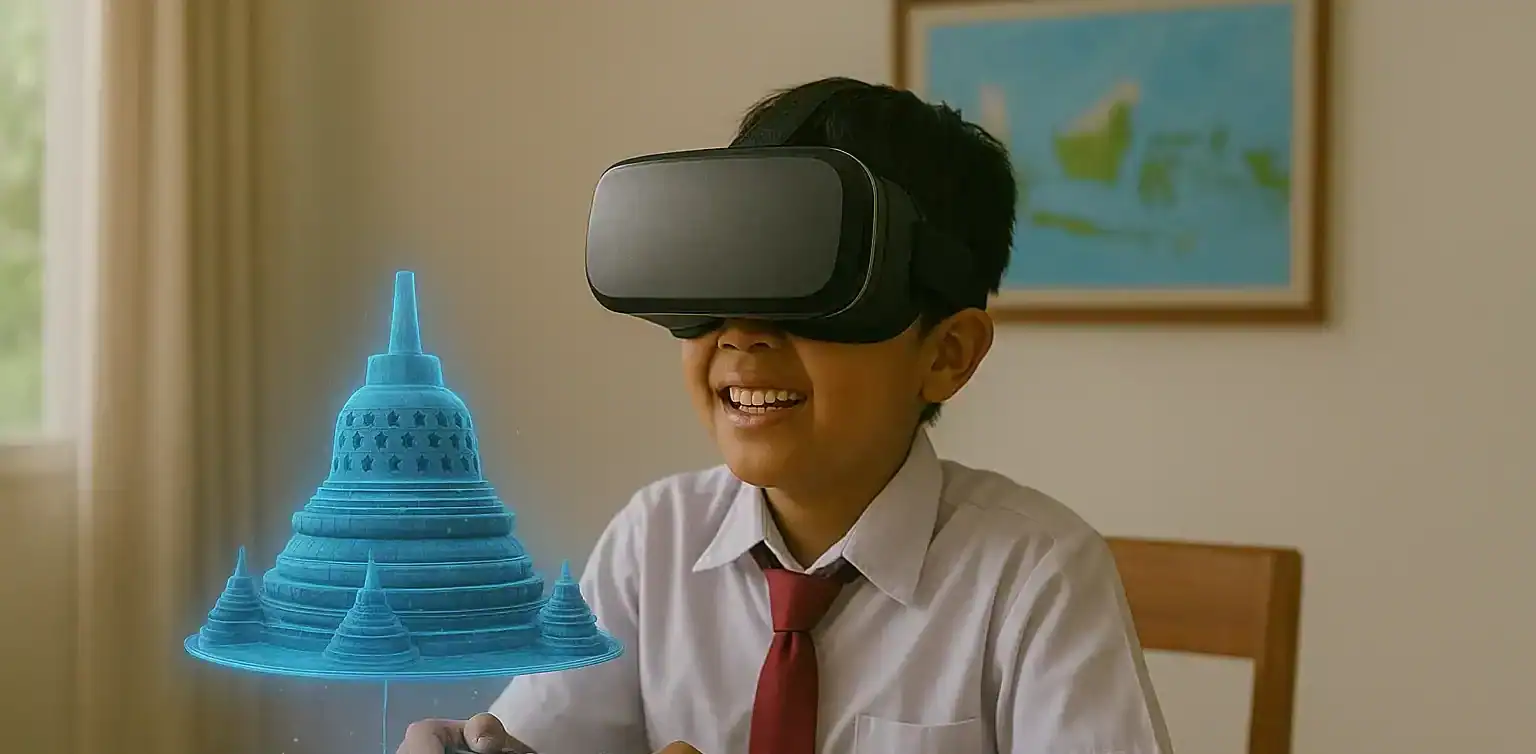
Technology is advancing rapidly, and one of the most fascinating innovations shaping the future is Virtual Reality (VR). In the past, VR might have sounded like a concept from a science fiction movie, but today, this technology has become a real part of education, entertainment, and even professional training. With its ability to create deep and immersive experiences, the function of VR in the future is predicted to become one of the most important elements in the ever-evolving digital world. Virtual Reality allows users to interact with an artificial environment that feels realistic through headsets and sensors. In the context of education, this technology is not just a form of entertainment but also a bridge to deeper and more interactive learning. Children can explore outer space, study human anatomy, or even conduct scientific experiments virtually without any real-world risks. But how important is the function of VR in the future, and how can this technology shape the way our children learn and grow? Here are seven strong reasons why every parent needs to understand the great potential of this technology 1. Providing a More Realistic Learning Experience One of the most promising functions of VR in the future is its ability to provide immersive and realistic learning experiences. Instead of only reading books or watching videos, children can “enter” directly into the learning material. For example, when studying history, they can explore the Egyptian pyramids or witness historical events as if they were truly there. This experience-based learning improves children’s understanding of concepts and memory retention. With more sensory engagement, their brains process information in a more meaningful way. 2. Increasing Children’s Engagement and Motivation Learning is often a challenge for children, especially when teaching methods feel monotonous. Through the function of VR in the future, learning activities can turn into something exciting and full of adventure. Imagine children learning coding, physics, or biology in a virtual world where every lesson becomes an interactive game. VR provides a sense of exploration and discovery that keeps children more motivated to learn. Additionally, this technology helps children with visual or kinesthetic learning styles better understand material in ways that suit their strengths. 3. Developing Empathy and Social Awareness Beyond formal education, the function of VR in the future also plays an important role in developing empathy and social understanding. With VR, children can experience what it feels like to be in someone else’s situation, such as living in another country or understanding the challenges faced by individuals with physical limitations. These experiences broaden their perspectives and nurture values such as compassion, empathy, and respect for diversity. In an era of globalization, these abilities are invaluable in shaping a more inclusive and open-minded generation. 4. Supporting the Learning of Technical and Practical Skills In the future job market, many professions will use VR for training and simulation. Therefore, understanding the function of VR in the future becomes important from an early age. For example, in the medical field, students can use VR to practice surgery without any risk to real patients. In the aviation industry, trainee pilots can learn to control aircraft through realistic simulations. Even in design, architects can create and “walk through” virtual buildings before actual construction begins. Thus, children who are familiar with VR from an early age will have a competitive advantage in the future because they understand how this technology works and how to apply it in practical ways. 5. Encouraging Creativity and Innovation VR is not just about experiencing artificial worlds but also about creating them. One of the most powerful functions of VR in the future is its ability to nurture children’s creativity. Through VR platforms, children can design their own virtual worlds, create characters, or even program interactions within them. This offers great opportunities to combine imagination, art, and technology. Beyond being fun, the process also trains critical thinking and problem-solving skills that are essential for the future. 6. Providing a Safe Environment for Experimentation and Mistakes One of the greatest advantages of the function of VR in the future is its ability to create a safe environment for learning through trial and error. In a virtual world, children can experiment freely without fear of failure or causing real-world harm. This is especially useful in science, engineering, and programming education, where making mistakes is an important part of the learning process. Children can repeat simulations until they truly understand the concept, building confidence and healthy curiosity. 7. Opening New Opportunities in Education and Careers VR technology paves new paths in global education. With the function of VR in the future, children from different parts of the world can learn together in virtual classrooms, interact with teachers from other countries, and access high-quality educational resources without geographical limits. In addition, VR-based industries such as game design, app development, digital training, and entertainment will continue to grow rapidly. Children who understand and can adapt to this technology will have broader and more exciting career opportunities in the future. How Timedoor Academy Equips Children with Future Technology Understanding Timedoor Academy believes that the future of children is not only determined by academic ability but also by their understanding of technology. Through interactive and enjoyable learning, students are introduced to the world of coding, digital design, and innovative technology relevant to today’s advancements, including the function of VR in the future. Under the guidance of professional mentors, every child is encouraged to explore technology with curiosity, responsibility, and creativity. The goal is to help children become not just technology users, but innovative and forward-thinking creators. Start Your Child’s Technology Journey Today Technologies like VR are not just temporary trends but vital parts of children’s educational and career futures. If you want your child to be ready for the future with strong digital skills and a deep understanding of the function of VR in the future, now is the time to take the first step. Register your child for a free trial class at Timedoor Academy today and discover how digital learning can be fun, safe, and inspiring for their future.
Coding Is the Future: 7 Powerful Reasons Why Parents Should Care

Coding Is the Future: 7 Powerful Reasons Why Parents Should Care

In today’s rapidly evolving digital era, coding in future education has become one of the most essential topics for parents and educators alike. The world is shifting toward automation, artificial intelligence, and digital creativity, making coding not just a technical skill but a fundamental form of literacy. Teaching children how to code is no longer an extra activity; it is a preparation for a successful and meaningful future. As technology transforms every aspect of life, understanding coding in future education allows parents to help their children build problem-solving abilities, logical thinking, and creativity. From designing apps to exploring robotics, learning to code opens up unlimited possibilities for young minds to express themselves and thrive in a technology-driven world. 1. Preparing Children for Tomorrow’s Jobs The global job market is changing rapidly. Many future careers will depend on digital skills, especially programming. Professions that require coding expertise are expanding across industries, from healthcare and finance to entertainment and education. Introducing coding in future education ensures that children are prepared to compete in a world where technology leads innovation. By learning coding early, children gain a strong foundation that can open the door to careers in software development, engineering, data science, and even digital entrepreneurship. Parents who encourage this learning give their children a head start in an increasingly competitive environment. 2. Strengthening Problem-Solving and Logical Thinking Coding teaches children how to think, not just what to think. When children write code, they learn to break big problems into smaller, manageable steps. This logical structure encourages analytical thinking that can be applied not only in academics but also in daily life. Integrating coding in future education also helps children develop patience and persistence. When faced with an error or “bug,” they learn the value of testing, refining, and improving, a mindset that nurtures resilience and growth. 3. Encouraging Creativity Through Technology Creativity and technology are no longer separate worlds. Through coding in future education, children can transform their imagination into reality by designing games, creating websites, or developing digital art. Coding gives them the tools to bring their ideas to life, combining creativity with critical thinking. This creative expression builds confidence and allows children to see technology as more than just entertainment, it becomes a platform for innovation and self-expression. 4. Supporting Academic Growth and Future Readiness Studies show that children who learn coding often perform better in math, science, and language subjects. The logical and structured way of thinking developed through coding enhances academic skills across disciplines. By prioritizing coding in future education, schools can create an environment where students not only consume technology but also understand how it works. In the long run, this helps prepare students for advanced studies in computer science, engineering, and other STEM-related fields, ensuring they stay ahead in an ever-changing digital society. 5. Promoting Responsible Digital Citizenship As children spend more time online, understanding how technology works also helps them navigate it responsibly. Incorporating coding in future education fosters awareness about digital ethics, online privacy, and cybersecurity. Children who learn coding are more likely to use the internet wisely, respect digital boundaries, and contribute positively to the online world. This balance of technical skill and moral awareness is crucial for raising responsible digital citizens. 6. Empowering Collaboration and Teamwork Coding is not a solitary skill, it often involves teamwork and communication. Many modern coding projects require collaboration, idea sharing, and collective problem-solving. By engaging in coding in future education, children learn how to work effectively with others, value different perspectives, and contribute to group success. These interpersonal skills are highly valued in every profession, preparing children not only to excel individually but also to thrive in team-oriented environments. 7. Opening a Path to Innovation and Lifelong Learning The world of technology never stops evolving. By embracing coding in future education, children develop a lifelong learning mindset that keeps them adaptable and open to change. They learn how to explore new tools, experiment with emerging technologies, and think critically about how digital solutions can improve the world around them. This mindset of curiosity and innovation ensures that they are not left behind but rather lead the way in shaping the future. How Timedoor Academy Brings the Future Closer Timedoor Academy believes that every child has the potential to become a creator of technology, not just a user. Through structured learning programs, students explore coding, robotics, and digital creativity in a supportive and engaging environment. By integrating coding in future education into each lesson, Timedoor Academy ensures that children not only gain technical skills but also learn values such as responsibility, teamwork, and innovation. With guidance from professional mentors, every child is encouraged to build confidence, curiosity, and a growth mindset that will serve them in every aspect of life. Take the First Step Today Technology shapes the future, and your child can be part of it.Help your child begin their journey in coding in future education by joining a free trial class at Timedoor Academy today. Discover how our expert mentors can inspire your child to explore, create, and grow in a safe and encouraging environment. Let your child not just use technology, but understand and build it.
10 Powerful Reasons Why Understanding The Importance of Digital Safety for Kids Matters Today

10 Powerful Reasons Why Understanding The Importance of Digital Safety for Kids Matters Today

In the digital era, kids are growing up surrounded by screens, the internet, and endless online interactions. While technology offers many advantages, it also introduces new challenges that parents cannot ignore. From social media exposure to online gaming and digital learning, kids face potential risks that may affect their privacy, safety, and mental well-being. That is why understanding the importance of digital safety for kids has become a vital aspect of modern parenting. As technology becomes an inseparable part of daily life, the need to educate kids about online behavior, privacy protection, and responsible technology use becomes more urgent. Digital literacy is no longer just an option; it is an essential skill for every child in the 21st century. 1. Building Awareness About Online Threats Many kids use the internet without understanding its potential dangers. Parents and educators need to guide them to recognize harmful websites, suspicious links, or strangers who might have bad intentions. Teaching kids about the importance of digital safety for kids helps them develop awareness from an early age, making them more cautious when navigating the online world. 2. Protecting Personal Information One of the key components of the importance of digital safety for kids is teaching them how to protect their personal information. Many websites and apps ask for details such as names, photos, and locations. Without proper knowledge, kids may share private data that could be misused by others. Parents must teach their kids never to share personal information without permission and to use privacy settings responsibly. 3. Preventing Cyberbullying Cyberbullying is a growing concern in today’s society. Kids who spend time on social media or online games may face bullying, harassment, or exclusion. By understanding the importance of digital safety for kids, both parents and kids can learn how to prevent, identify, and handle cyberbullying effectively. Encouraging open communication and emotional support is key to protecting a child’s mental health online. 4. Encouraging Responsible Social Media Use Social media platforms are a popular space for kids to express themselves and connect with friends. However, it is also a place where misinformation, inappropriate content, and privacy issues can occur. Educating kids about the importance of digital safety for kids means guiding them to use social media responsibly, think before they post, and understand the consequences of sharing personal content publicly. 5. Managing Screen Time Wisely Digital safety also includes managing how much time kids spend online. Excessive screen time can lead to fatigue, distraction, and reduced focus in learning. Understanding the importance of digital safety for kids helps parents and kids create healthy boundaries between study time, online entertainment, and offline activities. Balanced screen time supports both mental and physical well-being. 6. Strengthening Digital Literacy Skills Digital literacy goes beyond knowing how to use gadgets. It involves critical thinking, information evaluation, and problem-solving skills. Through programs like coding or digital creativity classes, kids can learn how to use technology safely and productively. Learning the importance of digital safety for kids empowers them to become responsible digital citizens who use technology for positive purposes. 7. Avoiding Scams and Online Manipulation Kids can easily fall for online scams, such as fake giveaways or misleading ads. They may also be influenced by manipulative content designed to collect data or promote harmful behavior. Teaching them the importance of digital safety for kids helps prevent these incidents. They learn to identify suspicious behavior and make smarter online choices. 8. Promoting Positive Online Communication Online communication can be beneficial when used positively. Kids can learn, share ideas, and collaborate across cultures. However, they must also understand the ethics of digital communication, such as respecting others’ opinions and avoiding hurtful language. Incorporating the importance of digital safety for kids into their learning encourages empathy and respect in every online interaction. 9. Preparing for a Digital Future As technology continues to evolve, digital safety becomes an essential foundation for every future career. Kids who understand the importance of digital safety for kids will grow into professionals who value data protection, cybersecurity, and ethical technology use. Early exposure to these concepts prepares them to thrive in a world where digital skills are in high demand. 10. Empowering Parents and Schools to Collaborate Lastly, promoting the importance of digital safety for kids requires collaboration between parents, teachers, and institutions. Schools can integrate digital safety education into the curriculum, while parents can apply these lessons at home. Together, they create a safe and supportive environment where kids can explore technology without fear. How Timedoor Academy Helps Strengthen Digital Safety Education Timedoor Academy understands that technology can be both exciting and challenging for kids. Through structured learning programs, students not only develop coding and digital skills but also gain awareness about online safety, privacy, and responsible internet use. Each class is designed to help kids understand the importance of digital safety for kids in practical and engaging ways. By joining Timedoor Academy, your child will be guided by professional mentors who are committed to creating a positive and secure learning environment. Parents can feel confident knowing that their kids are developing both technical knowledge and safe digital habits. Ready to Help Your Child Explore Technology Safely? Digital safety begins with knowledge. If you want your child to grow up as a confident, creative, and responsible digital user, now is the perfect time to take the first step. Register your child for a free trial class at Timedoor Academy today! Discover how our expert mentors can help shape your child’s understanding of technology while ensuring their safety in the digital world.
7 Powerful Secrets to Make Children Excited About Learning Technology

7 Powerful Secrets to Make Children Excited About Learning Technology

In today’s fast-paced digital era, understanding technology has become one of the most essential skills for kids. However, many parents are still unsure about how to make kids interested in learning technology. Most kids prefer playing games on their phones or watching videos for entertainment rather than using technology for something educational. In fact, when used correctly, technology can be a bridge toward a bright future. kids who are familiar with technology from an early age have greater opportunities to develop creativity, logical thinking, and problem-solving skills. Timedoor Academy understands this challenge and is committed to helping parents find the best approach to make their kids love the world of technology in a positive and enjoyable way. Let us explore seven powerful secrets that will help you discover how to make kids interested in learning technology naturally and effectively. 1. Start with What Your Child Loves The first step in finding how to make kids interested in learning technology is to identify what your child enjoys the most. For instance, if your child loves drawing, introduce them to simple digital design apps. If they love playing games, invite them to learn how to create their own games. When learning is connected to their personal interests, kids are more likely to understand and stay engaged. They will see technology not as a rigid subject but as a tool for creativity and self-expression. 2. Make Learning Interactive and Meaningful kids are naturally drawn to interactive activities. They love to participate and see results from their own efforts. Therefore, one of the best ways on how to make children interested in learning technology is by providing fun and hands-on experiences. At Timedoor Academy, each lesson is designed to be engaging through activities like creating animations, designing websites, or building simple educational games. These experiences help kids understand technology in a visual and contextual way rather than only through theory. When kids can see their animation move or their program run successfully, their excitement and curiosity grow naturally. 3. Create a Supportive Learning Environment A supportive environment plays a key role in sparking a child’s interest. If parents limit technology use without clear guidance, kids might see technology as something negative. However, when the environment encourages exploration, they become more confident to try new things. One effective method of how to make kids interested in learning technology is to create a positive learning space. Parents can schedule a special time to learn together, ask about what their child is discovering, or even try out coding lessons alongside them. When kids feel valued and supported, their motivation to learn will rise significantly. 4. Introduce Technology as a Creative Tool kids often see technology only as a form of entertainment. In reality, technology holds incredible potential for creating meaningful works. To truly discover how to make kids interested in learning technology, show them that technology can be used to create something valuable. For example, they can make digital comics, design game characters, or write interactive stories using beginner-friendly programming tools. When kids realize that they can produce something original and exciting through technology, their curiosity will naturally grow stronger. 5. Show Inspiring Role Models in Technology Inspiration can come from real people who have made an impact in the world of technology. Tell your kids stories about people like Mark Zuckerberg, Elon Musk, or young Indonesian developers who have created digital innovations. This approach can be one of the best examples of how to make kids interested in learning technology because it helps them see real-life success stories. Kids will understand that technology is not limited to adults or professionals; it is a field open to anyone with passion and creativity. Through these stories, kids can be motivated to dream big and work toward their own goals in the tech world. 6. Use the Right Learning Platform Not all learning platforms are suitable for kids . Some are too technical, while others may lack meaningful challenges. That is why choosing the right educational platform is crucial. Timedoor Academy provides the perfect solution for parents looking for how to make kids interested in learning technology in a fun and age-appropriate way. Here, kids learn coding and technology through project-based lessons that encourage creativity, logical thinking, and collaboration. With interactive classes and friendly mentors, kids will discover that learning technology is not difficult but actually exciting and rewarding. 7. Celebrate Every Achievement Even small accomplishments deserve recognition. One of the most effective approaches to how to make kids interested in learning technology is by celebrating every milestone. When your child finishes their first coding project or creates a simple app, express your appreciation and excitement. These positive reinforcements help them feel proud of their progress and eager to continue learning. As a result, learning will no longer feel like a chore but an enjoyable and fulfilling adventure. The Role of Parents in Nurturing Tech Interest Parents play a crucial role in supporting and guiding their kids as they explore technology. Emotional support and shared curiosity can make the learning process more meaningful. Be your child’s learning companion. Listen to their stories, help them solve challenges, and avoid judging mistakes. By doing so, you strengthen your bond and boost your child’s confidence. You do not have to be a tech expert to support your child. Showing genuine enthusiasm and encouragement is often enough to make a lasting impact on their learning journey. Register Your Kid Now! Encouraging kids to learn technology may seem challenging at first, but it is definitely possible. By applying these principles of how to make kids interested in learning technology, parents can help their kids discover the fun and creative side of the digital world. Kids who learn to love technology from an early age will grow into creators, not just consumers. They will be better prepared to face future challenges with creativity, confidence, and problem-solving skills.Would you like your child to learn technology in a fun and inspiring way? Register now for a Free Trial Class at Timedoor Academy! Let your child experience interactive learning that builds creativity, logic, and curiosity about technology from an early age.
<strong>5 Top Recommendations for Child Psychologists and How to Choose the Right One</strong>
5 Top Recommendations for Child Psychologists and How to Choose the Right One
Supporting a child’s mental health is one of the most important responsibilities of modern parents. Children do not only grow physically. They also need emotional development to help them deal with challenges in school, social environments, and family life. One effective way to support their emotional growth is by consulting with a child psychologist when needed. A child psychologist is a professional trained to address emotional, behavioral, and developmental issues in children from toddlers to teenagers. Some parents may still feel hesitant to take their children to a psychologist due to social stigma. However, early consultation can actually prevent bigger problems and provide helpful strategies for long-term well-being. Here are five trusted services that offer quality support from child psychologists. These include in-person sessions and online consultations for more flexible access. 1. Child Development Clinic at RSAB Harapan Kita This clinic is part of the Harapan Kita Women and Children's Hospital. It is known for its experienced child psychologists who help children with speech delays, behavioral disorders, and learning difficulties. Services: Observation and therapy sessions Developmental psychological testing Parent counseling Price: Starting from IDR 300,000 per sessionLocation: West JakartaAvailability: Monday to Saturday 2. UI Center for Applied Psychology (LPT UI) LPT UI is operated by the Faculty of Psychology at Universitas Indonesia. It offers professional child psychology services at affordable rates. Children with academic, emotional, or social issues can get personalized support here. Services: IQ and emotional intelligence testing Play therapy sessions Family and parental consultations Price: Starting from IDR 200,000Location: Depok (online sessions available)Availability: Monday to Friday 3. Personal Growth Personal Growth is a psychological clinic that offers child therapy services with a focus on emotional recovery and safe communication. Their psychologists take a warm and structured approach that makes children feel more at ease. Services: Cognitive behavioral therapy for children Talent and interest assessments Support sessions for parents Price: Starting from IDR 500,000 per sessionLocation: South JakartaAvailability: Flexible by appointment 4. TigaGenerasi TigaGenerasi is known for its family-oriented services and offers a wide range of psychology support for children. They use storytelling, art, and play-based methods to help children express their thoughts and feelings. Services: Play and art therapy Educational support for parents Parenting webinars and group programs Price: Starting from IDR 450,000 per sessionLocation: Jakarta (also offers online sessions)Availability: Monday to Saturday 5. Riliv for Kids Riliv is a well-known online mental health platform that also offers psychological services for children. It is ideal for families who prefer flexible access from home. Children can talk to certified psychologists using video or chat features. Services: Virtual therapy via video call In-app chat with professional psychologists Mental wellness programs for kids Price: Starting from IDR 150,000 per sessionPlatform: Riliv appAvailability: Schedule-based, flexible options How to Choose the Right Child Psychologist Choosing a psychologist for your child requires attention to a few important factors: Professional qualifications and experience: Make sure the psychologist has the proper license and is trained in child development. Comfort and trust: Your child should feel safe and able to communicate with the psychologist. Observe how they respond during the first session. Access and schedule: Choose a service that is easy to reach and can accommodate your preferred times. Online options can help if travel is difficult. Boosting Emotional Growth with Positive Learning Aside from professional help, children can benefit from positive activities that improve focus, confidence, and problem-solving skills. One example is learning to code. Coding helps children develop logical thinking while having fun through creative projects. Timedoor Academy offers engaging online coding courses designed for kids between the ages of 5 and 18. The programs are project-based and suitable for beginners. Try a free trial class at Timedoor Academy today!
5 Easy Ways in Teaching Kids to Save Money from an Early Age
Teaching kids to save money is one of the most important lessons parents can give. While many focus on academic learning, financial literacy is a life skill that is just as crucial. Instilling habits like saving and managing money early on helps children grow into responsible and independent adults. However, teaching kids how to save is not always easy. It requires fun, age-appropriate methods and plenty of patience. In this article, we’ll explore five practical ways to teach kids to save money in their daily lives. 1. Explain the Value of Money in Simple Terms The first step in teaching kids to save money is helping them understand what money is and how it works. You can start by showing them the difference between coins and bills, and explaining how money is used to buy things and pay for services. Use real-life situations, like shopping, to provide context. For example, tell your child that one ice cream costs around $2, but if they want a toy, they need to save up. Children between the ages of 4 and 7 can begin to understand these concepts better with visual aids or through role-playing games. 2. Teach the Difference Between Needs and Wants Another key lesson in teaching kids to save money is helping them recognize the difference between needs and wants. Needs include essentials like food, clothing, and school supplies. Wants are things like new toys or extra snacks that can be delayed or skipped. When your child asks for something, use the opportunity to talk. Ask them, “Do you need this, or do you just want it?” Over time, kids will learn to think before making purchases and develop a sense of mindful spending. 3. Give Them a Piggy Bank or Open a Savings Account One great way to introduce saving habits is by giving your child a piggy bank or setting up a dedicated children’s savings account. You can encourage them to save part of their pocket money or birthday gifts regularly. For older kids, set simple goals together. If they want a $20 toy, show them how to save $5 per week until they reach it. This approach not only teaches kids to save money but also introduces the idea of goal-setting and planning. 4. Be a Role Model with Your Own Saving Habits Children are natural imitators. They often learn more from what their parents do than what they say. That’s why one of the most effective ways to teach kids to save money is to show them your own responsible habits. Let them see you making a shopping list, comparing prices, or choosing not to buy something that is not necessary. When kids watch their parents make smart financial decisions, they are more likely to adopt the same mindset. 5. Involve Kids in Simple Financial Decisions Including your child in small financial choices at home can help them understand the reasoning behind spending and saving. Let them help you plan meals on a budget or choose between two similar items while grocery shopping. These hands-on experiences not only teach kids how to save money, but also help them build confidence and a sense of responsibility. As they grow older, they’ll be better prepared to handle money independently. Why Saving Habits Matter for Your Child’s Future Teaching children to save is more than just helping them stash away a few coins. It builds character, discipline, and long-term thinking. Kids who learn to delay gratification, set priorities, and understand the value of money early on are more prepared to manage their finances later in life. Saving also teaches children that they cannot always have everything instantly, which is an important life lesson. They learn that effort and planning are key to achieving their goals, whether financial or personal. Saving Is Important, but So Are Digital Skills While saving money is a valuable habit, introducing children to digital skills is also essential. Learning things like coding from a young age helps kids develop logical thinking, creativity, and problem-solving abilities. Timedoor Academy offers fun, interactive online coding classes for kids, making it easy to explore the world of programming in a child-friendly way. Try a free class today at Timedoor Academy!
5 Top Causes of Stunting in Children and How to Prevent It
Causes of stunting in children remains one of the most serious public health challenges globally. This condition not only affects a child’s height, making them shorter than their peers, but it also impacts brain development and long-term cognitive ability. To prevent this condition early, it is essential for parents and caregivers to understand the main causes of stunting in children and how to effectively address them. In this article, we will explore five key causes of stunting in children along with practical solutions that can support optimal growth and development. 1. Poor Nutritional Intake During Pregnancy One of the leading causes of stunting in children is inadequate nutrition during pregnancy. When a pregnant mother does not consume a well-balanced diet, there is a higher risk of giving birth to babies with low birth weight, which is an early factor that can lead to stunting. A fetus depends entirely on the nutrients the mother consumes. A lack of important micronutrients such as iron, folic acid, and calcium can hinder fetal growth. It is therefore crucial for expectant mothers to maintain regular check-ups and follow a nutritious, balanced diet from the beginning of pregnancy. 2. Inadequate Exclusive Breastfeeding Another common cause of stunting in children is the lack of exclusive breastfeeding during the first six months of life. Breast milk contains all the essential nutrients a baby needs, including antibodies that protect against infection. Babies who do not receive exclusive breastfeeding or who are introduced to complementary food too early are at higher risk of nutrient deficiencies that may affect growth. After six months, it is recommended to introduce complementary foods that are age-appropriate and nutrient-dense, while continuing to breastfeed. 3. Unbalanced Diet During Toddler Years After the breastfeeding stage, children need a daily intake of nutritious foods to support their growth. A frequent cause of stunting in children is an unbalanced diet that relies heavily on carbohydrates but lacks adequate protein, vitamins, and minerals. Children’s meals should include diverse food groups such as animal and plant-based proteins, vegetables, fruits, and energy sources like rice or tubers. Serving colorful and varied meals is a simple way to ensure that children receive the nutrients they need to grow optimally. 4. Frequent Infections and Poor Sanitation Repeated infections such as diarrhea, respiratory illness, and worm infestations are also major contributors to stunting in children. When a child is frequently ill, their body uses energy to fight off infections rather than to grow. This reduces nutrient absorption and may gradually impair development. Poor sanitation, unsafe drinking water, and lack of access to clean toilets increase the risk of infectious diseases. Families should ensure a clean living environment and teach children good hygiene habits, such as washing hands with soap before meals and after using the toilet. 5. Limited Parental Knowledge of Nutrition and Development A lack of awareness about nutrition and child development among parents is an indirect but significant factor contributing to stunting in children. Many caregivers are unaware of how to track their child’s growth or recognize early signs of nutritional deficiencies. Visiting local health centers, participating in parenting classes, or accessing online consultations with nutritionists can help improve parents’ knowledge. With the right information, parents can take preventive steps early and ensure their child grows up healthy and strong. How to Effectively Prevent Stunting in Children Stunting does not happen overnight. It is often the result of multiple contributing factors from pregnancy through the first two years of life. This period, known as the first 1,000 days of life, is critical for building a child’s foundation for long-term health and development. Some effective steps parents can take include: Eating a balanced diet during pregnancy Exclusively breastfeeding for the first six months Introducing nutritious complementary foods from six months onward Practicing good hygiene and maintaining clean living conditions Regularly monitoring child growth with healthcare professionals Public education on proper nutrition and sanitation must also be expanded so that every child has an equal chance to grow and thrive. Healthy Body, Healthy Brain, and Digital Skills Too Understanding the causes of stunting in children is the first step in making informed decisions about their well-being. Alongside proper nutrition and health care, it is also beneficial to introduce children to future-ready skills such as coding. Timedoor Academy offers fun, interactive online coding classes tailored for kids. These classes help develop logical thinking and creativity in a child-friendly environment. Try a free trial class now at Timedoor Academy!
5 Best! Online Quran Classes for Kids with Prices in 2025
As technology evolves and family routines become more hectic, many parents are now turning to online quran lessons for kids as a flexible and effective way to introduce their children to the fundamentals of Islamic learning. Thanks to online platforms, children can now learn to read the Quran from home in a fun, engaging, and structured environment. Well-known institutions across Indonesia now offer quran classes for kids that cover various programs such as Iqro reading, Quran recitation with proper tajweed, basic memorization, and character-building through Islamic values. These classes are not only about recitation. They also support personal growth through patience, discipline, and kindness. To help you choose the right program, here are 5 of the most reputable and trusted online quran classes for kids to explore in 2025. 5 Best! Online Quran Classes for Kids with Prices in 2025 1. Rumah Quran Salman Price: Starting from IDR 400,000 per month Rumah Quran Salman is a well-known Islamic learning center that offers structured quran classes for kids with certified teachers. Their programs include Iqro reading, tajweed, and Quran memorization for children aged 4 and above. Key Features: Step-by-step Iqro to Quran progression Private and small group classes Monthly progress reports for parents Professional teachers with Islamic education backgrounds Platform: Zoom and WhatsApp Parent Group  2. AQL Islamic School – Ngaji Online Price: Starting from IDR 500,000 per month AQL is led by Ustadz Bachtiar Nasir and is known for its Islamic education programs. Their online quran lessons for kids focus on improving recitation, memorization, and instilling Islamic values such as tawheed and good character. Key Features: Talaqqi and memorization-based teaching Curriculum includes adab and basic Islamic beliefs Live Zoom classes with recordings available Certificates for each level completed Platform: Zoom and AQL Learning Portal  3. Zaidan Quranic Center – Ngaji Online Price: Starting from IDR 350,000 per month Zaidan Quranic Center offers fun, personalized quran classes for kids. They are known for adapting lessons to each child's pace and making the experience enjoyable and motivating. Key Features: Programs for memorization and tajweed One-on-one learning with chosen instructors Monthly progress assessments Flexible schedule options Platform: Google Meet and WhatsApp 4. Tilawati Online Price: Starting from IDR 375,000 per month Tilawati is one of the most widely used Quran learning methods in Indonesia. Their online quran lessons for kids are led by certified instructors using the official Tilawati curriculum and books. Key Features: Nationally standardized materials Official Tilawati certified teachers Programs for Iqro, Quran reading, and memorization Ongoing parent-teacher communication Platform: Zoom and Tilawati App 5. Rumah Belajar Quran Ummu Habibah Price: Starting from IDR 300,000 per month This learning center focuses on girls and younger children. Their quran classes for kids are designed to be nurturing and interactive using songs, stories, and positive reinforcement. Key Features: Story-based lessons and Islamic songs Experienced and patient female teachers Teaches daily prayers and short surahs Printable and digital study materials Platform: Zoom and Google Meet Quran Time Over? Time for Coding After building a solid spiritual foundation through quran classes for kids, introducing children to digital skills like coding can be the next exciting step. Learning to code helps children develop logical thinking, focus, and creativity. These are values that align well with what they learn through online quran lessons for kids. Timedoor Academy provides coding classes specifically designed for kids. The learning is interactive, project-based, and tailored to make technology approachable and fun. From creating games to designing animations, children can grow both intellectually and spiritually. Balance your child's education by supporting both their spiritual and digital growth. Sign up for a free trial class today at Timedoor Academy!
What Is Vibe Coding? Understanding the Concept and Its Benefits for Kids
In today’s digital era, children are not only expected to excel academically but also to be creative, collaborative, and adaptable to technology. One learning method that is gaining attention in tech education is vibe coding. More parents and educators are beginning to ask: what is vibe coding, and how can it be used in a meaningful way to help children learn? This article will explain what is vibe coding, its core principles, and why this method is a fun and effective approach to introducing programming to young learners. If you’re considering a coding class that feels less rigid and more intuitive, vibe coding for kids might be the perfect fit. What Is Vibe Coding? To answer the question what is vibe coding, we need to understand the basic idea behind this learning method. Vibe coding refers to a teaching approach that emphasizes a fun, creative, and child-friendly atmosphere while learning programming. The word “vibe” represents the overall feeling or energy created during the learning experience. Unlike traditional programming lessons that can feel formal or rigid, vibe coding for kids focuses on letting children learn through play, imagination, and building meaningful projects. The emphasis is not just on the final product but also on enjoying the process of creating something. Why Is Vibe Coding a Great Fit for Kids? Once you understand what is vibe coding, it becomes clear why this method works especially well for children. Kids often get bored or overwhelmed by dry, technical lessons. Vibe coding for kids creates a fun, engaging environment that sparks curiosity and creativity. This approach incorporates storytelling, animations, music, and visuals to help children feel immersed in their projects. For example, kids can learn to code by creating their own video games, designing cartoon characters, or programming a virtual robot that follows commands. With this setup, children naturally learn the basics of coding such as logic, sequences, conditions, and loops. They’re not pressured to get everything right immediately. Instead, they’re encouraged to explore, try new things, and learn from mistakes. That’s the heart of vibe coding for kids: building a positive and flexible learning experience. Benefits of Vibe Coding for Kids For parents who are still unsure about this method, here are some key benefits that vibe coding for kids offers. It doesn’t just improve tech skills. It also supports broader developmental growth in young learners. Boosts creativityKids are encouraged to build things from their own ideas—games, animations, or simple apps. Develops logic and problem-solvingEven though the environment is playful, the foundation of vibe coding for kids is rooted in core programming logic. Promotes collaboration and communicationMany activities are group-based, teaching kids to discuss, share roles, and work as a team. Builds confidenceChildren gain pride and belief in their abilities when they successfully create something. Prepares them for the futureBy learning coding early, kids are better equipped for a digital-driven world. Vibe Coding at Timedoor Academy Now that you understand what is vibe coding, you might be wondering where your child can learn this method in a structured yet fun way. Timedoor Academy offers one of the best implementations of vibe coding for kids, combining creative programming with a child-centered teaching style. Timedoor’s platform is designed specifically for young learners, featuring project-based activities like game development, animations, and beginner-friendly applications. Every class is filled with engaging content and guided by experienced mentors who understand how kids learn best. The goal at Timedoor Academy is to make every student feel confident, curious, and excited about learning. Grades and tests are not the focus. Instead, it’s about exploring, creating, and enjoying the journey. This is exactly what vibe coding for kids is all about, and Timedoor applies it consistently across their programs. Conclusion: Let Your Kids Experience Vibe Coding Now you know what is vibe coding and how this approach makes learning programming enjoyable and effective for children. As our world becomes more digital, introducing kids to coding at an early age is no longer optional—it’s a smart and timely decision. If you’re looking for a coding class that sparks creativity, feels natural, and actually speaks your child’s language, vibe coding for kids at Timedoor Academy is a perfect choice. Sign your child up today and see how much fun they can have learning with vibe coding. Try a free trial class now at Timedoor Academy!
5 Best! Reading Programs for Kids in Bali with Prices in 2025
As more parents recognize the importance of early education, many are looking for reading programs for kids in Bali that help children master basic literacy skills. The ability to read and write forms the foundation for academic, social, and emotional development. Today, various institutions in Bali offer reading programs for kids in Bali with different approaches, including phonics-based methods, multisensory learning, and interactive storytelling. Parents can choose a program that fits their child’s learning style, whether for preschoolers or early elementary students. Many of these programs are also designed to support children with learning challenges or those who require more focused attention. If you’re searching for high-quality reading programs for kids in Bali, here are five recommended places worth considering. 5 Recommended Reading Programs for Kids in Bali 1. Cikal Literacy Center Price: Starting from IDR 550,000 per month Cikal Literacy Center focuses on early literacy development for children aged 4 to 7. Their approach includes phonics, playful activities with letters, and imaginative learning methods. Highlights: Interactive phonics-based curriculum Storybook reading and creative drawing Basic creative writing for preschoolers Location: Jl. Tukad Barito Timur No. 16, Renon, DenpasarWhatsApp: 0812-3400-1123 2. Taman Baca dan Belajar Pelangi Price: Starting from IDR 400,000 per month This inclusive learning community provides reading programs for kids in Bali with a fun and supportive atmosphere. Their personalized approach is especially helpful for children with learning difficulties or special needs. Highlights: Daily reading activities and journaling Support for children with mild dyslexia Small, flexible class settings Location: Jl. Raya Pengosekan, Ubud, BaliInstagram: @tbpelangi 3. Kumon Renon Bali Price: Starting from IDR 850,000 per month Kumon is a well-known name in education, offering a structured and progressive method. Their reading programs for kids in Bali encourage independent study and consistent learning habits. Highlights: Daily worksheet-based learning Level adjustments based on the child’s ability Progress monitoring and regular assessments Location: Jl. Tukad Badung, Denpasar SelatanWhatsApp: 0812-8888-5678 4. LiterActive Kids Bali Price: Starting from IDR 700,000 per month This center uses a multisensory approach that includes music, movement, and visuals to teach reading and writing. Ideal for energetic kids aged 3 to 8 who learn best through hands-on activities. Highlights: Kinesthetic games for letter recognition Flashcards and syllable-based activities Combines audio-visual tools with fine motor practice Location: Jl. Teuku Umar Barat, DenpasarWhatsApp: 0821-4567-2234 5. Little Step Literacy School Price: Starting from IDR 500,000 per month Little Step focuses on building sentence understanding and vocabulary through weekly themed lessons. The classes are designed to help children express ideas through writing while having fun. Highlights: Semi-private classes (max 5 students) Weekly rotating topics Character-based and story-driven materials Location: Jl. Sunset Road No. 78, Kuta, BaliInstagram: @littlestepliteracy Why Kids Should Try Coding After Literacy Classes Once your child has built strong reading and writing skills through reading programs for kids in Bali, it's a great time to introduce them to coding. Reading helps kids follow instructions and understand programming logic, which makes the transition to digital skills much smoother. Coding also develops problem-solving, logical thinking, and creativity. Timedoor Academy is an excellent next step for children in Bali who want to explore technology through fun and engaging coding projects. While it doesn’t offer reading programs for kids in Bali, Timedoor is a smart choice for building future-ready skills after literacy foundations have been established. Their international curriculum and experienced instructors ensure that kids learn in a structured yet playful environment. If you're ready to take your child’s development even further, Timedoor Academy offers a great opportunity to explore coding through interactive classes. Try a free trial class today at Timedoor Academy!
<strong>5 Best! Recommended Electric Bike for Kids: Safe and Stylish Rides for Everyday Fun</strong>
5 Best! Recommended Electric Bike for Kids: Safe and Stylish Rides for Everyday Fun
In today’s digital era, electric bikes are quickly becoming a popular choice among families, including for children. More parents are looking for a recommended electric bike for kids as an environmentally friendly way to get around, whether for trips to school, outdoor activities, or simply playing around the neighborhood. Besides being efficient, electric bikes now feature modern designs and improved safety elements that appeal to both parents and kids. However, choosing an electric bike for your child requires careful consideration. Parents need to look at quality, safety features, battery capacity, and price before making a decision. With so many options available, finding a recommended electric bike for kids that truly matches your child’s needs and age can be a real challenge. To help you make the best choice, here are the 5 best options for a recommended electric bike for kids that are widely used, highly rated, and perfect for your family in 2024 and beyond. 1. Xiaomi Himo Z16 Kids The Xiaomi Himo Z16 Kids is one of the most popular choices when it comes to a recommended electric bike for kids. This bike is known for its compact, lightweight design, making it easy for children ages 7 to 12 to ride confidently. It also features a safe top speed and double braking system for enhanced safety. Key features: Lithium battery with up to 25 miles (40 km) range per charge Maximum speed of 12 mph (20 km/h) for child safety Front and rear LED lights for visibility Foldable design for easy storage and transport The Xiaomi Himo Z16 Kids is great for active children who enjoy adventure and want a cool, modern ride. 2. Polygon Urbano E1 Junior Polygon is a trusted brand and their Urbano E1 Junior model is a strong candidate as a recommended electric bike for kids. This bike is specifically designed for elementary and middle school children, with a smaller frame and handlebars for a more comfortable and safe fit. Key features: 250W electric motor for smooth rides Removable battery for easy charging Front and rear disc brakes for added security Comfortable suspension, ideal for various road conditions The Polygon Urbano E1 Junior comes with an official warranty and has been thoroughly safety tested, making it an excellent family investment. 3. ECOTRIC Mini Folding Electric Bike If you need a recommended electric bike for kids that is easy to take anywhere, the ECOTRIC Mini Folding Electric Bike is a top pick. Its lightweight, compact design is perfect for travel, vacations, or just easy storage at home. Key features: 250W motor for a safe, steady ride Lithium battery offering up to 15 miles (25 km) per charge 14-inch wheels, just the right size for kids Foldable design fits easily in a car trunk The ECOTRIC Mini Folding Electric Bike is available internationally and is widely used in Europe and the United States, making it a reliable global choice. 4. Pacific E-Lite 12 Kids For younger children ages 4 to 8, the Pacific E-Lite 12 Kids stands out as a recommended electric bike for kids, focusing on safety above all else. With a speed limiter and an automatic cut-off feature when the brake is pressed, this bike is perfect for children who are just learning to ride an electric bike. Key features: 24V battery with 2–3 hours of use per charge Maximum speed of 7 mph (12 km/h) for safety Equipped with pedals and a sturdy kickstand Lightweight frame with bright, attractive colors The Pacific E-Lite 12 Kids is simple to operate and provides plenty of fun for young riders while giving parents peace of mind. 5. Razor Power Core E90 The Razor Power Core E90 is a leading recommended electric bike for kids in the United States and Europe. This bike is ideal for children aged 8 to 12 who want the thrill of riding an electric bike, but with important safety measures in place. Key features: 90W hub motor with a maximum speed of 10 mph (16 km/h) Up to 80 minutes of continuous use per charge Durable steel frame for long-lasting use Automatic braking system for safety The Razor Power Core E90 is easy to find online and is a favorite among kids who love moving around the neighborhood in style. Tips for Choosing the Right Electric Bike for Your Child Along with picking from the recommended electric bike for kids options above, parents should consider a few important things: Choose a bike that matches your child’s age, height, and weight. Make sure the maximum speed complies with child safety standards. Prioritize models with dual brakes, lights, and protective accessories. Check for a warranty, aftersales service, and spare part availability. Teach your child to always wear a helmet and protective gear when riding. Balancing Outdoor Fun and Digital Skills Buying a recommended electric bike for kids is exciting, but it is just as important to balance physical activity with developing digital skills. In today’s world, children should also be introduced to coding, technology, and digital creativity from a young age. If you want your child to become more confident and well prepared for future challenges, sign them up for a free trial coding class at Timedoor Academy. With fun, interactive lessons, kids can learn logic, problem-solving, and creativity while still enjoying plenty of active outdoor time.
<strong>5 Best! Recommendations for Effective Diarrhea Medicine for Kids</strong>
5 Best! Recommendations for Effective Diarrhea Medicine for Kids
Diarrhea is one of the most common health issues among children worldwide. It can quickly lead to dehydration if not managed properly, making it important for parents to find reliable diarrhea medicine for kids to help them recover safely and quickly. It is important to understand that managing diarrhea in children is not just about giving diarrhea medicine for kids, but also ensuring proper hydration, balanced nutrition, and attentive care. Diarrhea in kids can be triggered by viral or bacterial infections, food intolerance, or even stress. If not addressed promptly, diarrhea can develop into a serious health risk. Today, there are many options for diarrhea medicine for kids available both over the counter and as prescribed by doctors. However, not every solution is appropriate for every child, and parents should always consult a healthcare professional before starting any treatment. This is especially crucial if the child experiences severe diarrhea, ongoing vomiting, high fever, or blood in the stool. Below are five globally recognized options for diarrhea medicine for kids that are both safe and effective, plus some important tips for supporting your child’s recovery. 1. Oral Rehydration Solution (ORS) Oral Rehydration Solution, or ORS, is the gold standard diarrhea medicine for kids recommended by organizations like the World Health Organization (WHO) and the American Academy of Pediatrics. ORS replaces fluids and electrolytes lost during diarrhea, helping prevent dehydration. Main benefits: Quickly restores hydration and electrolyte balance Simple to prepare and use at home No harmful side effects ORS can be offered after every loose stool and alongside regular meals and breastfeeding. It is the primary treatment for mild to moderate diarrhea and should be used as a first step in home care. 2. Probiotics Probiotics are supplements containing beneficial bacteria that help restore the balance of healthy gut flora. As a diarrhea medicine for kids, probiotics such as Lactobacillus rhamnosus GG and Saccharomyces boulardii are often recommended by pediatricians to shorten the duration and lessen the severity of diarrhea, especially if the cause is infection or antibiotic use. Probiotics are available as powders, chewable tablets, or drops. Always use pediatric formulas and consult your doctor for the correct type and dosage for your child. 3. Zinc Supplements Zinc is another essential diarrhea medicine for kids, particularly for children under five. Taking zinc for 10 to 14 days during an episode of diarrhea has been proven to speed up recovery and help prevent future diarrhea. Zinc comes in various forms, including syrup, tablets, and dissolvable tablets. Your pediatrician can recommend the best dosage based on your child’s age and weight. 4. Smectite (Diosmectite/Smecta) Smectite, widely sold under brand names like Smecta, is a natural clay-based product that acts as a physical barrier in the intestines. This diarrhea medicine for kids works by binding to toxins, bacteria, and viruses, helping to safely remove them from the digestive tract. Smectite is usually available as a powder that can be mixed with water or milk. It is safe for children, but always follow package instructions or your healthcare provider’s guidance. 5. Rice-Based Oral Rehydration Solution Rice-based ORS is an alternative type of oral rehydration recommended in some parts of the world, especially for kids who may be lactose intolerant or experiencing persistent diarrhea. Rice-based solutions provide both hydration and extra calories from the rice starch. You can purchase commercial rice-based ORS or make it at home by boiling rice and using the starchy water. For best results, check with a healthcare professional to ensure your child is getting the hydration and nutrition they need. Home Care Tips for Children with Diarrhea In addition to providing diarrhea medicine for kids, these supportive steps are crucial: Keep your child hydrated: Regularly offer ORS or other rehydration fluids. Serve bland, easy-to-digest foods: Consider bananas, rice, applesauce, and toast (the BRAT diet). Practice good hand hygiene: Always wash hands before and after caring for your child. Continue breastfeeding: For infants, breastfeeding helps speed recovery and maintain hydration. Watch for dehydration signs: Seek medical attention if your child is lethargic, has a dry mouth, produces little urine, or cries without tears. Why Health and Digital Education Both Matter Using the right diarrhea medicine for kids is a vital step, but it’s also important to teach your child good health habits and personal hygiene for long-term wellness. In today’s digital age, it is equally valuable to help children develop skills like coding, problem-solving, and logical thinking. If you want your child to grow up healthy, confident, and digitally skilled, try a free coding class at Timedoor Academy. Here, children can develop logical thinking and creativity while also learning essential health basics. Visit the Timedoor Academy website for an engaging and educational free trial coding class.
<strong>5 Top Recommendations for Saving Accounts for Kids: Safe and Educational Options</strong>
5 Top Recommendations for Saving Accounts for Kids: Safe and Educational Options
Teaching children to save from an early age is a smart move to help them build healthy financial habits. One of the most effective steps parents can take is to open saving accounts for kids with a trusted bank. Through these special products, parents can introduce financial concepts, help children manage their allowance, and encourage a sense of responsibility about money management right from the start. Today, many banks around the world offer saving accounts for kids that are both attractive and educational. Parents can easily keep an eye on the balance and guide their children toward reaching their savings goals, whether it’s for a new toy, a book, or something they need for school. However, choosing saving accounts for kids should not be done on a whim. There are several factors to consider, including minimum deposit requirements, fees, as well as features like debit cards, mobile banking apps, and educational resources. Here are five of the best saving accounts for kids from globally recognized banks that are worth considering this year. 1. HSBC MySavings Youth Account The HSBC MySavings Youth Account is a popular choice among saving accounts for kids. Designed for children and teens (typically ages 7 to 17, though age requirements vary by country), this account helps kids understand banking basics and offers competitive interest rates with parental oversight. Highlights: No monthly fees Low minimum deposit Optional debit card with parental approval Online banking access for both parents and kids HSBC’s strong global network and easy-to-use digital services make it a reliable choice for families everywhere. 2. Santander 123 Mini Account The Santander 123 Mini Account is an excellent example of saving accounts for kids that are accessible internationally, especially in the UK and Spain. Suitable for children up to 17 years old, this account focuses on developing smart savings habits through a simple interface. Highlights: No monthly maintenance fees No minimum deposit Optional contactless debit card for older kids Online and mobile banking for parents and children This account lets parents supervise transactions while helping children learn the importance of saving and budgeting. 3. Capital One Kids Savings Account For families in the United States, the Capital One Kids Savings Account is an easy and fee-free way to get children started with saving accounts for kids. This account offers robust parental controls and is designed to be managed entirely online. Highlights: No monthly or annual fees No minimum balance requirement Competitive interest rates User-friendly mobile banking app Capital One also provides helpful resources for parents and kids to learn about money management together. 4. Revolut <18 (Under 18 Account) Revolut <18 is a digital solution for saving accounts for kids, available across Europe, the UK, Australia, Singapore, and other regions. Designed for children ages 6 to 17, it provides a digital wallet and a prepaid debit card under the supervision of a parent. Highlights: Instant app-based notifications Parental controls and spending limits Prepaid debit card for safe transactions Budgeting tools and goal setting Revolut <18 is ideal for families who want a modern, digital approach to teaching kids about saving and spending safely. 5. Chase First Banking Chase First Banking is one of the latest saving accounts for kids in the United States, created in partnership with Greenlight. It combines checking and savings features with strong parental controls and educational tools. Highlights: No monthly service fees Customizable saving, spending, and earning features Parental approval for key transactions Access to a large network of ATMs and branches Chase’s mobile app is intuitive and helps children learn to set goals, manage money, and track their progress in real time. Tips for Choosing the Right Saving Accounts for Kids To maximize the benefits, here are some useful tips for selecting saving accounts for kids: Choose an account that suits your child’s age and offers strong parental oversight. Look for low fees, reasonable minimum deposits, and attractive interest rates. Consider extra features such as mobile banking, debit cards, and educational content. Prefer banks with programs that reward good saving habits and offer financial education. Involve your child in the process of opening the account to build a sense of responsibility and motivation. Saving, Financial Literacy, and Digital Skills for the Future Introducing saving accounts for kids is not just about putting money away; it’s about building a foundation for lifelong financial literacy. In our increasingly digital world, it’s also wise to introduce children to essential digital skills like coding, preparing them for tomorrow’s challenges. If you want your child to become both financially responsible and tech-savvy, sign them up for a free trial coding class at Timedoor Academy. Kids can learn money management while developing logical thinking and creativity, helping them grow into a wise and innovative generation.
float button